






How Old Windows Increase Energy Bills
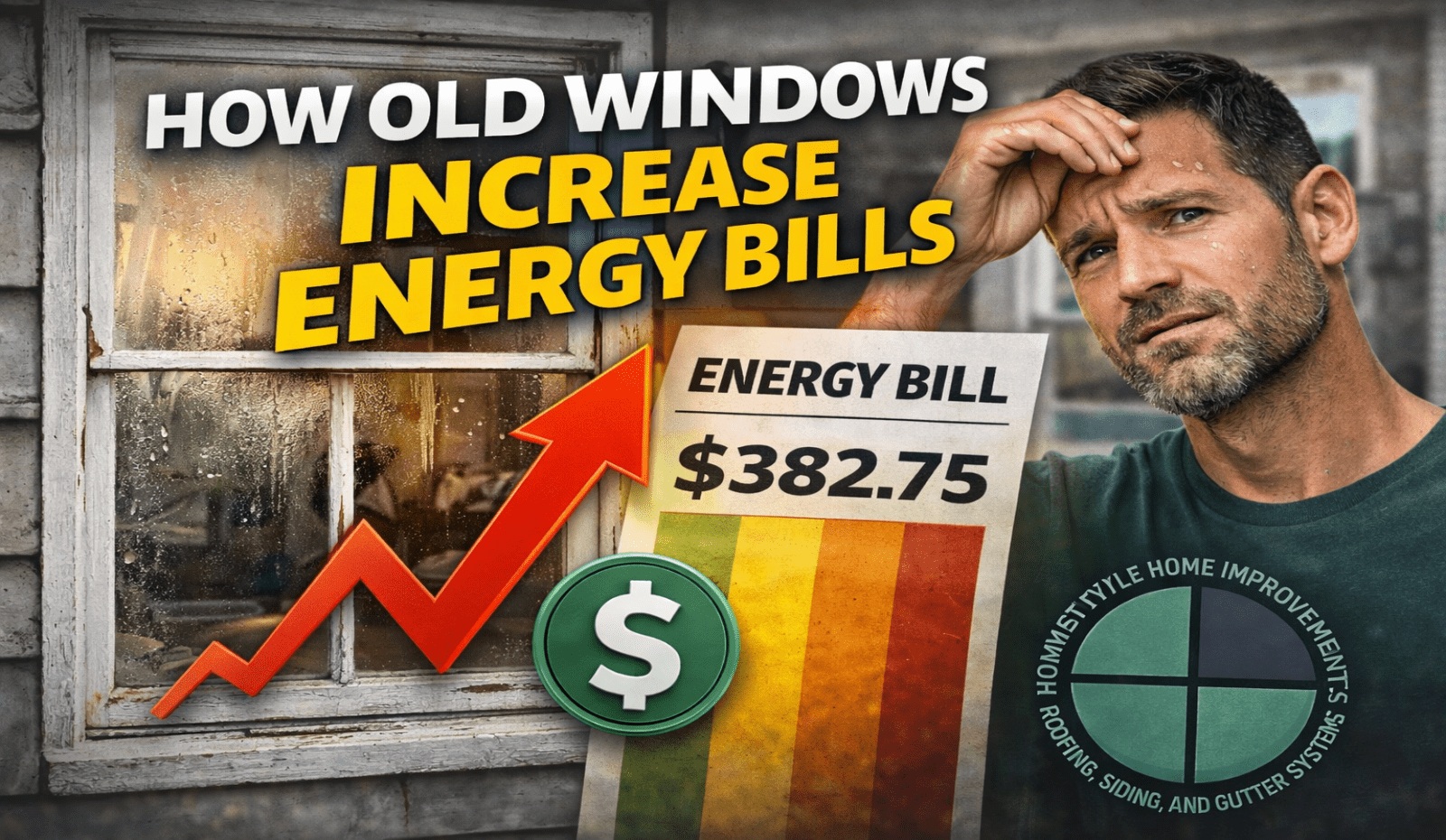
Many homeowners don’t realize how much old windows increase energy bills. Outdated or poorly insulated windows allow heat to escape during winter and enter during summer, forcing HVAC systems to work harder and raising monthly utility costs. Understanding how old windows increase energy bills can help homeowners make smarter decisions about window repairs or replacement.
Why Old Windows Waste So Much Energy
Older windows were built with materials and technology that simply can’t compete with modern energy-efficient designs. Over time, seals weaken, frames warp, and insulation performance drops.
These issues allow heat to escape in the winter and enter your home in the summer.
The biggest energy problems with old windows include:
- Single-pane glass with little insulation
- Worn or deteriorated seals
- Drafts around window frames
- Air leakage through gaps or cracks
- Poor thermal insulation
In some cases, single-pane windows can lose 10–20 times more heat than a properly insulated wall, making them one of the weakest points in a home’s energy envelope.
How Heat Escapes Through Old Windows
There are three main ways heat moves through windows, especially outdated ones.
1. Conduction Through the Glass
Conduction occurs when heat passes directly through the glass itself.
Older single-pane windows offer very little resistance to heat transfer, allowing warm indoor air to escape quickly in winter and letting outdoor heat inside during the summer.
Modern double- or triple-pane windows include insulated gas layers and coatings that significantly reduce this heat transfer.
2. Air Leaks Around Window Frames
Even if the glass is intact, air leaks around the frame can waste large amounts of energy.
Over time, window seals and weatherstripping deteriorate. Small gaps allow conditioned air to escape while pulling outside air into the home.
These drafts force your HVAC system to work harder to maintain comfortable temperatures.
3. Solar Heat Gain
During warmer months, sunlight passing through inefficient windows can heat up your home quickly.
This phenomenon is called solar heat gain, and it can make your air conditioner run longer and more frequently.
Energy-efficient windows use specialized coatings (like Low-E glass) that reflect heat while still allowing natural light inside.
How Old Windows Increase Energy Bills in Your Home
Many homeowners don’t realize their windows are the cause of high utility costs until the problem becomes severe.
Here are some common warning signs:
Drafts near windows
Cold glass during winter
Rooms that are difficult to keep warm or cool
Condensation between window panes
Rising heating or cooling costs
Windows that are 15–20+ years old
If you notice any of these issues, your windows may be costing you more than you realize.
The Financial Impact of Inefficient Windows
When windows lose energy, your HVAC system has to compensate.
That means:
Longer heating cycles in winter
More frequent air-conditioning use in summer
Higher electricity and gas bills
Across the United States, inefficient windows contribute to billions of dollars in wasted energy each year.
Homeowners often spend hundreds of dollars annually on unnecessary energy costs due to drafts, leaks, and poor insulation.
Benefits of Upgrading to Energy-Efficient Windows
Replacing outdated windows can dramatically improve your home’s efficiency and comfort.
Modern window technology includes:
Double or triple panes
Argon or krypton gas insulation
Low-E (low emissivity) coatings
Advanced sealing systems
Improved frame insulation
According to ENERGY STAR estimates, replacing old single-pane windows with energy-efficient models can reduce heating and cooling costs by up to about 13% nationwide.
Other benefits include:
Lower monthly energy bills
Improved indoor comfort
Reduced drafts
Increased home value
Better noise reduction
What Homeowners Can Do to Improve Window Efficiency
If full window replacement isn’t immediately in the budget, there are still ways to improve efficiency.
Short-term improvements include:
Sealing gaps with caulk or weatherstripping
Installing thermal curtains
Adding window insulation film
Using storm windows
Checking for broken seals
While these measures help reduce energy loss, they usually provide temporary improvements compared to installing modern energy-efficient windows.
When It’s Time to Replace Your Windows
Most residential windows last 15–25 years depending on materials and maintenance.
If your windows are older than that or showing signs of energy loss, replacement may be the most cost-effective long-term solution.
A professional inspection can help determine:
Whether your windows are leaking air
If the seals have failed
How much energy your home may be losing
Reduce Energy Bills With Efficient Windows
Old windows are one of the most common sources of hidden energy loss in a home. If your windows are outdated, drafty, or poorly insulated, they could be responsible for a significant portion of your energy bills.
Upgrading to modern energy-efficient windows can improve comfort, lower utility costs, and make your home more energy efficient year-round.
If you’re noticing drafts, uneven temperatures, or rising energy bills, it may be time to consider replacing your windows.
FAQ
Do old windows really increase energy bills?
Yes. Heat gain and heat loss through windows account for roughly 25–30% of residential heating and cooling energy use, making inefficient windows a major contributor to high energy costs.
How much energy can new windows save?
ENERGY STAR certified windows can reduce heating and cooling costs by about 13% nationwide compared with inefficient windows.