


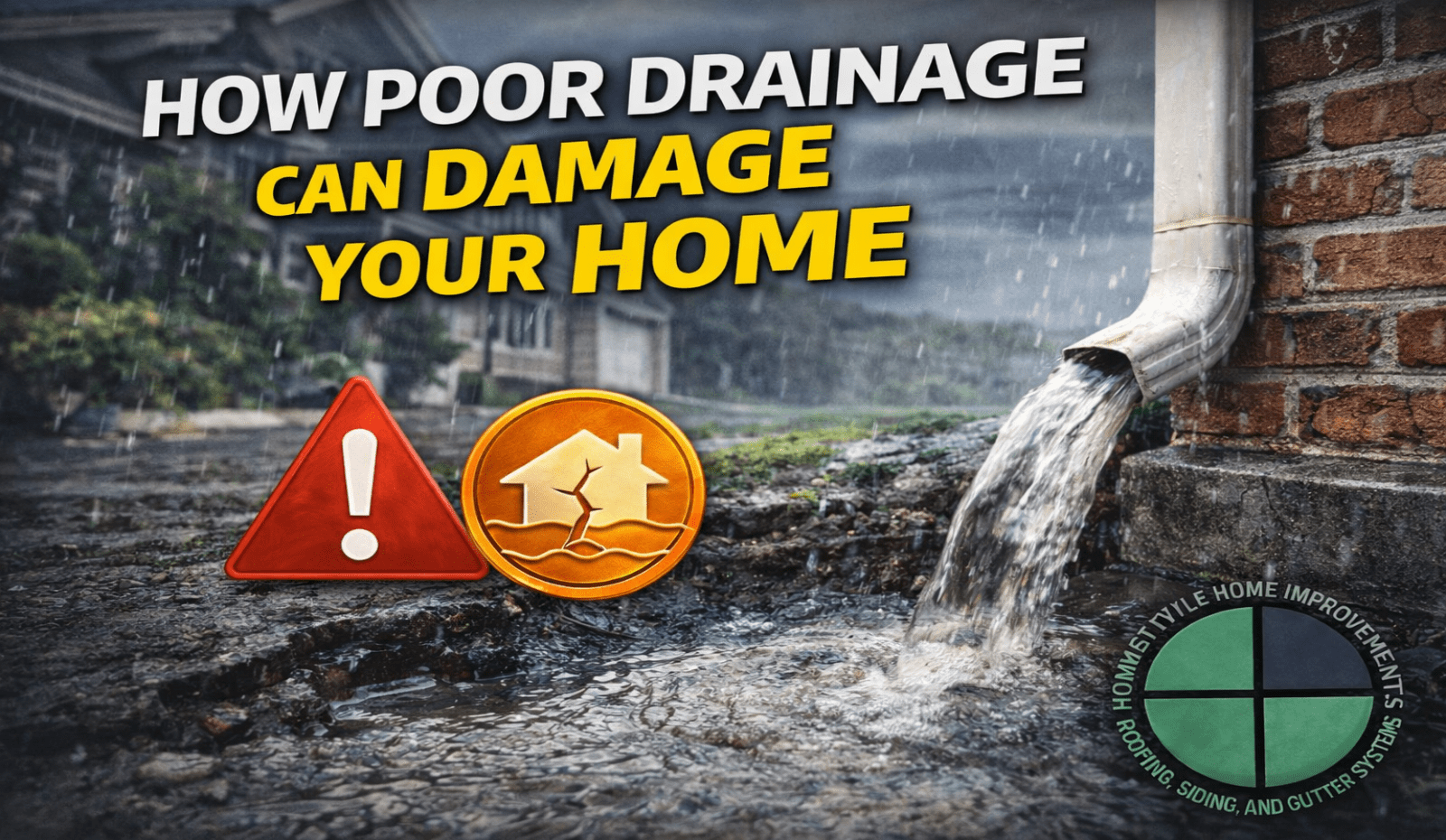

How Poor Drainage Can Damage Your Home
What Causes Poor Drainage Around Your Home?
Poor drainage usually happens when water cannot flow away from the house efficiently. Instead of moving through gutters, downspouts, and yard grading, water collects around the foundation.
Several common issues cause drainage problems:
• Clogged or damaged gutters
• Improperly sloped landscaping
• Short or missing downspout extensions
• Compacted or clay-heavy soil
• Poor yard grading
When water consistently collects around the house, it slowly affects multiple parts of the structure. Over time, drainage problems can damage the roof, siding, and foundation.
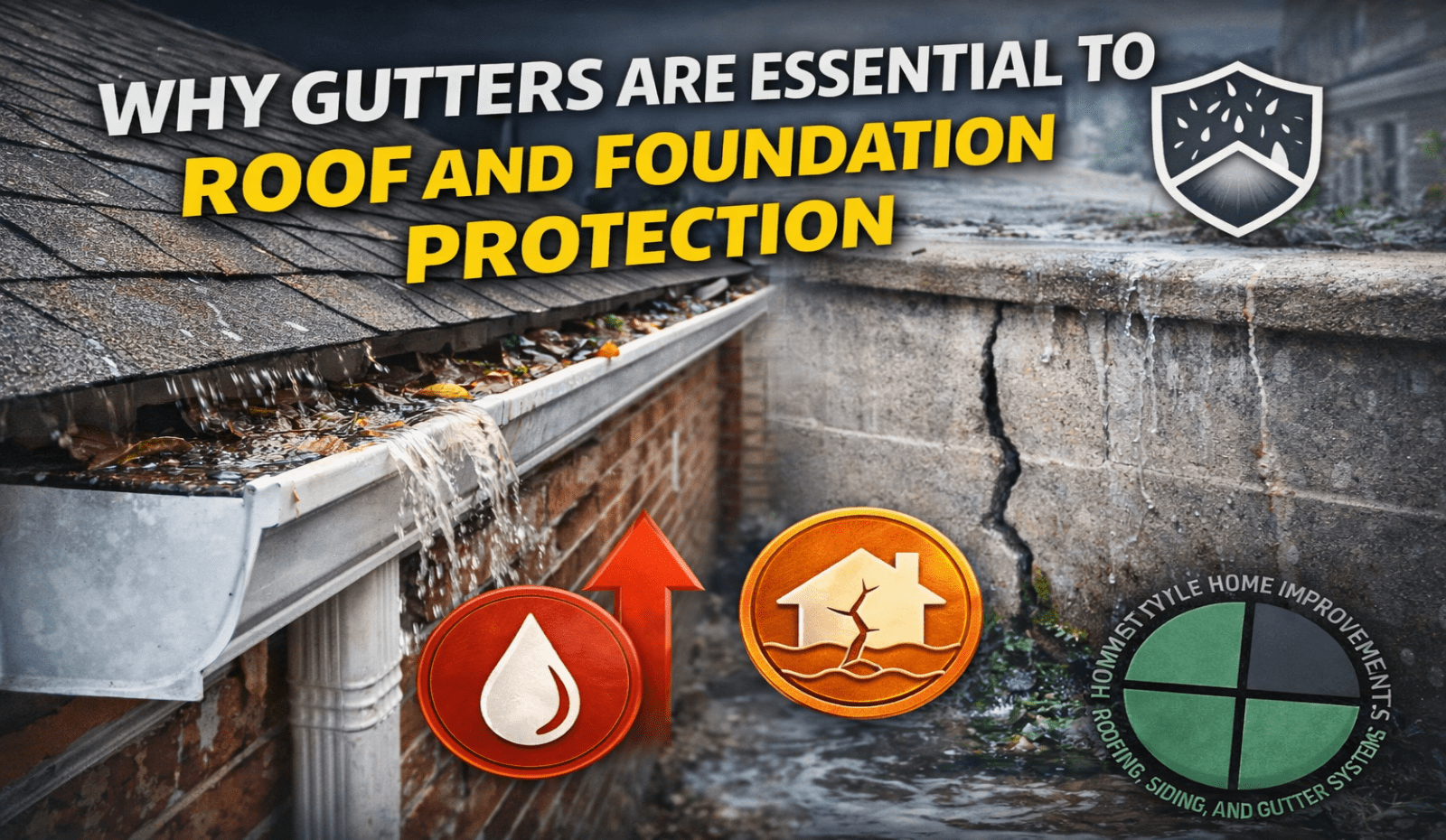
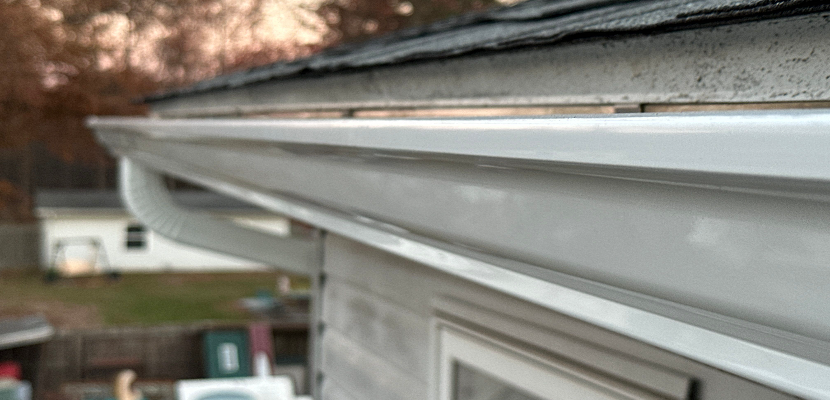
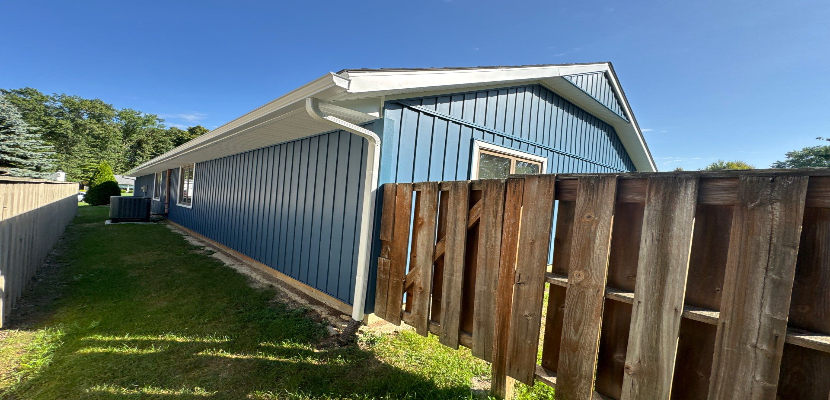
Proper water management often starts with maintaining your gutter system. If your gutters are clogged or damaged, water can overflow and collect near the foundation. Homeowners should consider regular gutter maintenance or professional services like our gutter installation and repair services to ensure water flows safely away from the home.
If drainage problems have already caused roof or exterior damage, it may be time to consider professional exterior improvements such as a roof replacement or gutter upgrades to protect your home from future water issues.
According to drainage experts, water pooling near your foundation can create hydrostatic pressure that leads to foundation cracks and structural issues over time.
Lorem ipsum dolor sit amet, consectetur adipiscing elit. Ut elit tellus, luctus nec ullamcorper mattis, pulvinar dapibus leo.
How Poor Drainage Affects Your Home’s Foundation
Your foundation is designed to support the entire weight of your home, but excess moisture can weaken the surrounding soil and place stress on foundation walls.
When water pools near your home:
- Soil becomes saturated and loses strength
- Hydrostatic pressure pushes against foundation walls
- Small cracks can form and grow larger over time
This pressure can eventually lead to structural issues such as foundation cracks, shifting walls, and uneven floors. In severe cases, the foundation may even settle or sink due to eroding soil support.
Even minor drainage problems can cause long-term damage if they persist for years.
The Impact of Poor Drainage on Your Roof and Gutters
Your roof and gutter system are designed to work together to move water safely away from your home. However, when gutters become clogged or downspouts are ineffective, water can overflow and accumulate near the base of the house.
Poor roof drainage can lead to:
Water pooling near the foundation
Fascia and soffit damage
Ice dams during winter
Premature roof deterioration
When gutters fail to direct water properly, runoff may collect around the home’s perimeter, increasing the risk of both roof and foundation damage. Routine gutter maintenance is one of the simplest ways to prevent these issues.
Moisture, Mold, and Interior Damage
Poor drainage doesn’t only affect the outside of your home. Excess moisture around the foundation can eventually make its way into basements, crawl spaces, or interior walls.
This can lead to:
- Mold and mildew growth
- Musty odors in basements
- Increased humidity levels inside the home
- Damage to drywall and insulation
Damp environments provide the perfect conditions for mold to develop, which can negatively affect both indoor air quality and the health of occupants.
Addressing drainage problems early can help prevent these interior issues from developing.
Signs Your Home May Have Drainage Problems
Drainage issues often develop gradually, but there are several warning signs homeowners should watch for.
Common indicators include:
- Water pooling near the foundation after rain
- Cracks in foundation walls or floors
- Doors or windows that suddenly stick
- Basement leaks or moisture
- Mold or mildew in crawl spaces
- Erosion or washed-out landscaping
If you notice any of these signs, it’s important to investigate the drainage system around your home before the problem becomes worse.
How to Prevent Drainage Problems Around Your Home
The good news is that most drainage problems can be prevented with proper maintenance and a few proactive improvements.
Here are some effective ways to protect your home:
Maintain Your Gutters and Downspouts
Clean gutters regularly and make sure downspouts direct water at least 4–6 feet away from the foundation.
Improve Yard Grading
The ground around your home should slope away from the foundation to encourage water runoff instead of pooling.
Install Drainage Systems
Solutions like French drains, surface drains, or sump pumps can help redirect water away from vulnerable areas of the property.
Schedule Regular Exterior Inspections
Professional inspections can identify drainage issues before they cause structural damage.
Protecting Your Home Starts With Proper Water Management
Poor drainage is one of the most overlooked causes of home damage, yet it can affect everything from your roof and gutters to your foundation and interior living spaces.
By maintaining your gutter system, ensuring proper yard grading, and addressing water flow issues early, you can prevent costly repairs and extend the lifespan of your home.
If you suspect drainage problems around your property, having a professional inspection performed can help identify the root cause and provide the right solution before major damage occurs.
Why Proper Drainage Is Essential for Protecting Your Home
Managing water around your home is one of the most important parts of maintaining your property. When water consistently collects near the foundation, it can slowly weaken structural components and create long-term problems that are expensive to repair.
Proper drainage systems work by directing water away from the home through gutters, downspouts, grading, and underground drainage solutions. Without these systems working correctly, rainwater can accumulate near the house and gradually damage the foundation, siding, and landscaping.
Homeowners should regularly inspect their gutters, ensure downspouts extend several feet away from the foundation, and monitor areas where water tends to pool after storms. Addressing drainage issues early can help prevent foundation cracks, basement moisture, and other costly repairs in the future.