
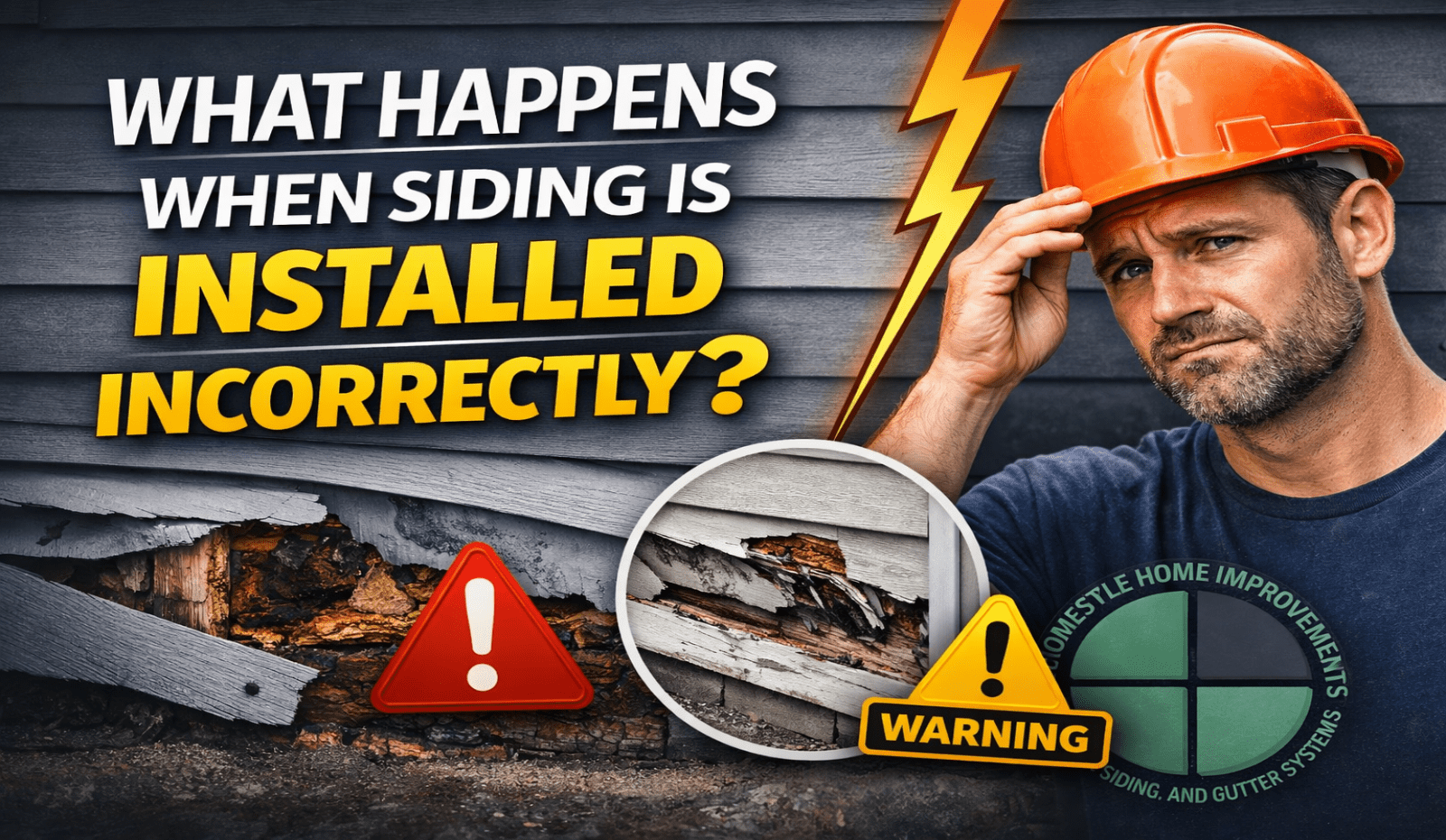
What Happens When Siding Is Installed Incorrectly?
Why Proper Siding Installation Matters
Water Damage and Mold Growth
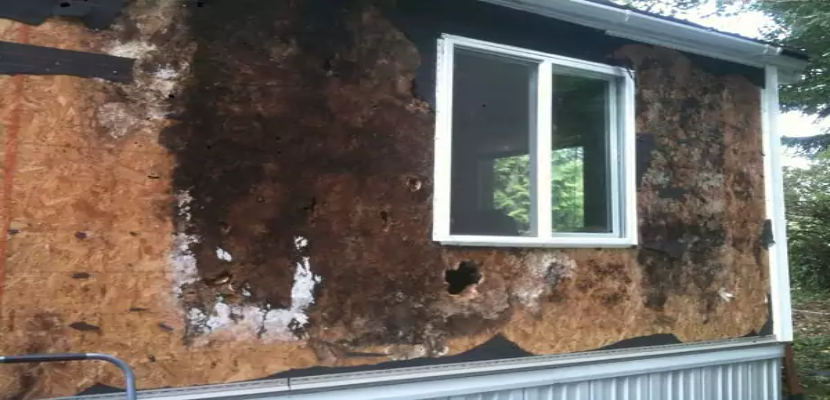
One of the most serious consequences of improperly installed siding is moisture infiltration.
When siding panels are not sealed correctly or flashing is installed incorrectly, water can enter behind the siding and become trapped. Over time, this moisture can cause:
Rotting wood framing or sheathing
Mold and mildew growth
Damage to insulation
Water stains on interior walls
Siding is designed to shed water away from the structure, but gaps or installation errors can allow moisture to penetrate the home’s exterior.
If left unaddressed, water damage can spread and lead to costly structural repairs.
Warping, Buckling, or Cracked Panels
Another common problem caused by improper siding installation is warping or buckling panels.
This usually happens when siding—especially vinyl siding—is nailed too tightly or installed without allowing room for expansion. Vinyl siding naturally expands and contracts with temperature changes, and if it can’t move properly, panels may begin to:
Warp or ripple
Crack or split
Bulge outward from the wall
These problems not only affect the appearance of your home but can also shorten the lifespan of the siding itself.
Loose Panels or Siding Falling Off
Improper fastening is another major installation issue.
If siding panels are not secured correctly, they can become loose over time or even detach during storms and high winds. This can happen when contractors:
Skip required fasteners
Use the wrong type of nails
Fail to properly lock panels together
Once siding begins to loosen, it leaves your home exposed to water, wind, and pests, increasing the risk of additional damage.
Higher Energy Bills
Poorly installed siding can also affect your home’s energy efficiency.
When gaps or improper sealing allow outside air to enter your home, heating and cooling systems must work harder to maintain indoor temperatures. This can result in:
Higher utility bills
Drafty rooms
Reduced indoor comfort
Even small installation errors can significantly reduce the insulating benefits siding is meant to provide.
Pest and Insect Problems
Gaps or improperly sealed seams in siding can create entry points for pests.
Rodents, insects, and birds can take advantage of even small openings to get behind the siding or into wall cavities. Once pests enter these spaces, they can cause additional damage to insulation, wiring, and wood framing.
Properly installed siding includes tight seams and flashing around windows, doors, and corners to prevent these types of problems.
Reduced Curb Appeal
Beyond structural issues, poor siding installation can significantly affect the appearance of your home.
Signs of improper installation often include:
Wavy or uneven siding lines
Misaligned panels
Visible gaps between sections
Rust stains or exposed fasteners
These cosmetic problems can make a home look poorly maintained and may even reduce property value.
Common Problems Caused by Improper Siding Installation
If you’re unsure whether your siding was installed properly, there are several warning signs to watch for:
- Rippling or uneven siding panels
- Improper siding installation often leads to moisture intrusion behind the panels.
- Bulging, cracking, or warping
- Visible gaps between panels
- Water stains or mold near exterior walls
- Higher than normal energy bills
These issues may indicate that the siding installation was not completed correctly and should be inspected by a professional contractor.
How to Avoid Improper Siding Installation
The best way to prevent these problems is to work with an experienced siding contractor who follows proper installation techniques and manufacturer guidelines.
A qualified contractor will:
Install moisture barriers and flashing correctly
Allow proper spacing for siding expansion and contraction
Secure panels using the correct fasteners
Ensure all seams and edges are properly sealed
Attention to these details helps ensure your siding lasts for decades and protects your home the way it should.
The Bottom Line
When siding is installed correctly, it protects your home, improves energy efficiency, and enhances curb appeal.
But when siding is installed incorrectly, it can lead to serious issues like water damage, mold growth, warping panels, higher energy bills, and structural problems. These issues often become expensive to fix if they go unnoticed for too long.
If you suspect your siding was installed improperly, it’s important to have it inspected by a professional before minor problems turn into major repairs.