


Roof inspections give homeowners a clear picture of what is happening above their living space. Many people delay scheduling one because pricing feels inconsistent and difficult to predict. Costs change based on roof structure, inspection method, and local market conditions. That variation often leads homeowners to underestimate the value of a professional evaluation. A clear understanding of roof inspections and their costs allows homeowners to plan maintenance with confidence rather than reacting to unexpected damage.
What Roof Inspections Are and Why They Matter
Roof inspections are professional assessments that evaluate the condition of roofing systems and related components. These evaluations focus on identifying damage, wear, and developing issues before they affect the home’s interior. Homeowners rely on inspections to make informed maintenance decisions rather than waiting for visible problems to appear. Cost clarity improves once the inspection is understood as a preventive planning step rather than an optional expense.
What a Roof Inspection Typically Includes
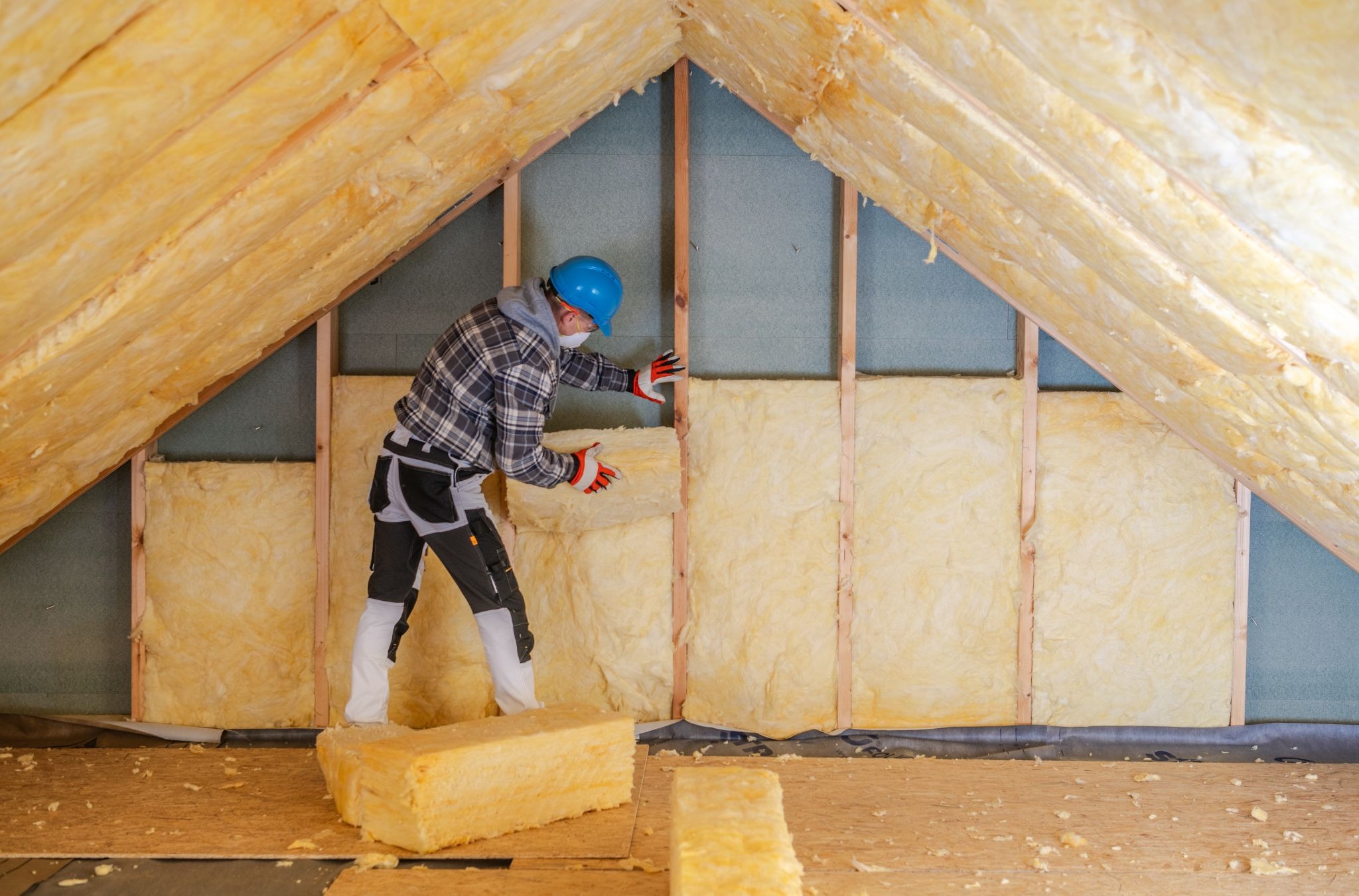
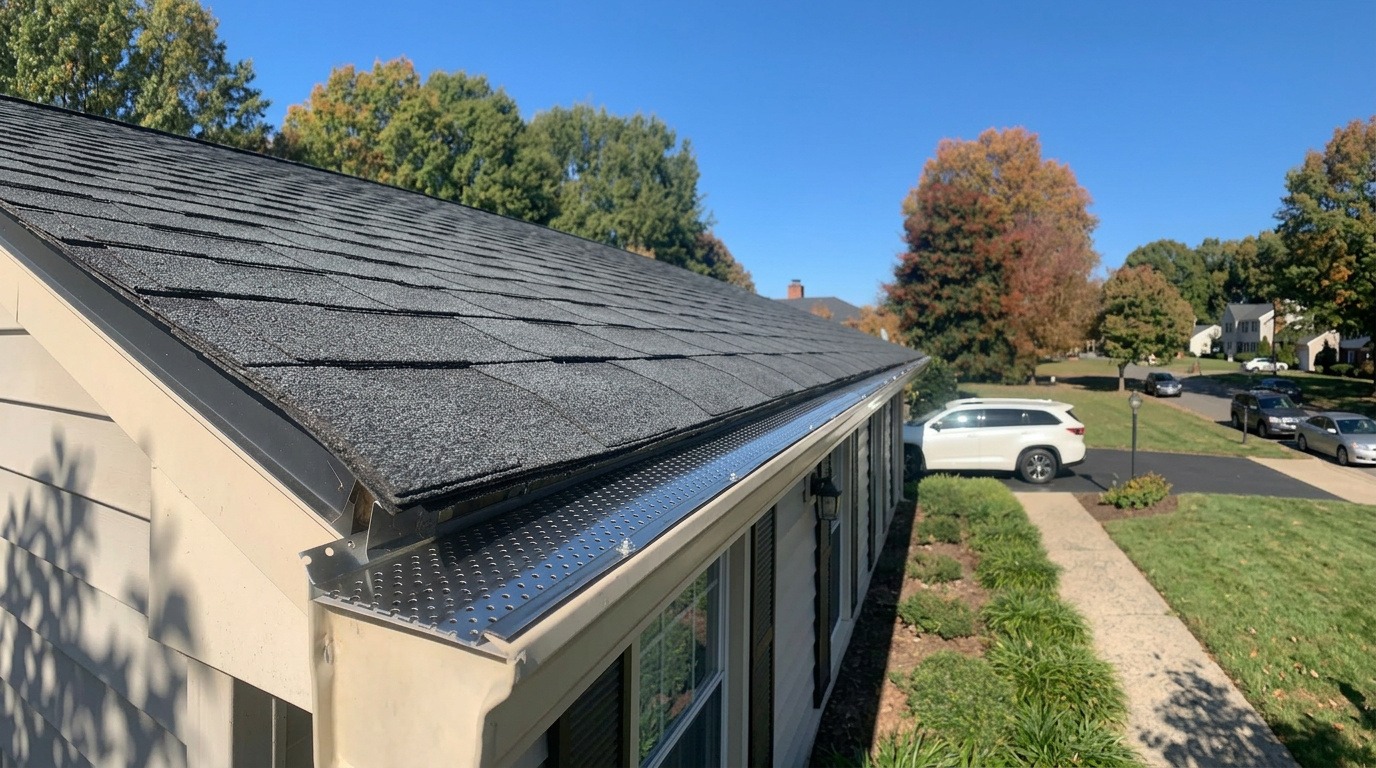
A roof inspection examines all visible roofing materials, including shingles, flashing, vents, and drainage systems. Inspectors look closely for cracking, lifting edges, soft areas, and uneven wear that signal developing issues. They often review attic spaces to check for moisture intrusion, ventilation problems, or insulation concerns. This inspection process connects exterior roof conditions with interior structural risks. Most roofing professionals provide written reports supported by photographs. That documentation helps homeowners understand priorities without relying on technical guesswork.
Understanding Roof Inspection Reports and Liability
Roof inspection reports are professional opinions, not guarantees. Inspectors document observed conditions based on the visible access available at the time of inspection. Misinterpreting report language often leads to confusion or unnecessary repairs. Knowing how reports function legally helps homeowners respond appropriately.
What Inspection Language Actually Means
Terms like “monitor,” “recommend repair,” or “serviceable condition” carry specific intent. Inspectors use standardized phrasing to reflect risk levels. This language indicates likelihood, not certainty, of future issues. Homeowners sometimes mistake cautious wording for urgent failure. Understanding terminology prevents emotional decisions. Clear interpretation leads to measured responses.
Inspector Responsibility and Legal Scope
Roof inspectors operate within defined professional standards. They assess visible areas without destructive testing. Liability coverage protects against negligence, not hidden defects. This scope explains why reports include limitations. Homeowners benefit from knowing what inspections cover and exclude. Realistic expectations reduce frustration after findings.
How Report Findings Influence Repair Decisions
Inspection reports guide decisions rather than dictate actions. Contractors may interpret the findings differently depending on the scope of the repair. Homeowners should view reports as diagnostic tools. Seeking clarification from inspectors improves understanding. Informed interpretation avoids unnecessary spending. This approach keeps inspection costs aligned with actual needs.
Average Roof Inspection Cost for Homeowners
The average roof inspection cost typically ranges between $100 and $300 for most residential properties. This pricing usually applies to standard visual inspections on accessible roofs. More detailed inspections cost more because they involve additional time and specialized tools. Knowing typical cost ranges helps homeowners evaluate quotes without uncertainty.
Typical Residential Roof Inspection Pricing
Most homeowners pay around $150 for a basic roof inspection on an average-sized home. Larger homes or roofs with complex layouts often increase the price due to longer inspection times. Inspections that include attic evaluations or moisture detection may reach $400 or more. This pricing reflects labor, safety considerations, and reporting requirements. Homes in metropolitan areas often face higher rates due to higher operating costs. Rural areas may offer lower prices but fewer inspection providers.
How Location Influences Inspection Costs
Geographic location directly affects roof inspection pricing through labor rates and building standards. Coastal and storm-prone regions often require more detailed inspections due to environmental exposure. Areas with strict building codes demand additional documentation and review. That regional variation explains why similar homes receive different quotes. Travel distance may also add service fees in remote areas. Local demand ultimately shapes inspection pricing trends.
Factors That Affect Roof Inspection Pricing
Roof inspection costs depend on the structure being evaluated. Every roof presents unique challenges related to size, access, and materials. Inspectors adjust pricing to account for time, safety, and complexity. Understanding these elements explains why inspection costs vary so widely.
Roof Size and Structural Complexity
Larger roofs require more time to inspect thoroughly. Homes with multiple roof sections increase movement and evaluation effort. Architectural features such as valleys and dormers add inspection challenges. That complexity raises labor demands and safety considerations—inspectors price services based on these conditions rather than square footage alone. Homeowners with expansive roofs should expect higher inspection costs.
Roof Pitch and Accessibility
Steep roof slopes require specialized safety equipment and careful movement. Multi-story homes often limit access points, which slows the inspection process. Inspectors work cautiously to reduce risk during evaluations. These access challenges increase the time needed for accurate assessments. Pricing reflects the additional effort and safety precautions required. Low-slope or flat roofs are usually less expensive to inspect.
Roofing Materials and System Type
Roofing materials influence inspection techniques and time requirements. Asphalt shingles allow faster surface evaluations. Metal roofs require attention to seams, fasteners, and expansion points. Tile and slate systems demand careful movement to avoid breakage. Flat roofing systems involve membrane and drainage checks. Material type directly affects inspection scope and pricing.
Roof Inspection Methods and Cost Differences
Inspection methods vary depending on roof design and condition. Each technique offers specific benefits and limitations. Costs reflect the tools used and the expertise required to interpret findings. Selecting the appropriate method depends on safety and inspection goals.
Traditional Walk-On Roof Inspections
Walk-on inspections involve physical access to the roof surface. Inspectors examine materials closely for cracks, wear, and structural changes. This method allows direct contact with problem areas. Costs remain moderate because equipment needs stay minimal. Accessibility determines whether inspectors can safely perform this inspection. Many homeowners choose this approach for standard roofing systems.
Drone Roof Inspections
Drone inspections use aerial imaging to assess roof conditions without physical contact. This approach suits steep or fragile roofs where access is limited. Inspectors capture detailed images from multiple angles. Drone use reduces safety risks while maintaining accuracy. Costs often align with traditional inspections due to the time required for image review. This method works well for complex structures.
Infrared and Moisture Detection Inspections
Infrared inspections identify moisture trapped beneath roofing materials. This technology reveals issues that surface inspections cannot detect. Specialized equipment increases inspection costs. Flat and low-slope roofs benefit most from this method. Inspectors analyze thermal data carefully for accuracy. This inspection type supports long-term maintenance planning.
Free Roof Inspections and What They Mean
Free roof inspections are usually offered by contractors who provide repair services. These inspections focus on identifying visible damage related to potential work. Understanding their purpose helps homeowners interpret findings accurately. Cost-free inspections differ from independent evaluations in scope and intent.
Contractor-Provided Free Inspections
Contractors offer free inspections to identify repair opportunities. These evaluations focus on service-related damage. Reports may lack detailed documentation or measurements. This inspection approach supports repair recommendations. Homeowners should request written findings for clarity. Transparency helps assess suggested repairs objectively.
Independent Roof Inspection Services
Independent inspectors charge fees to provide unbiased assessments. These professionals do not profit from repair work. Reports tend to be detailed and neutral. This independence supports informed decision-making. Costs reflect expertise and objectivity. Many homeowners prefer this separation.
Roof Inspections Compared to Repair Costs
Roof inspections cost far less than most repair projects. Inspections reveal issues before damage spreads through the home. Homeowners gain control over planning rather than reacting to emergencies. This comparison clearly highlights the inspection value.
How Inspections Guide Repair Decisions
Inspection reports organize repair needs logically. Homeowners can schedule work strategically over time. Minor issues receive attention before they escalate. This planning approach helps control expenses. Contractors rely on inspection data for accurate estimates. Inspections reduce uncertainty in repair decisions.
Long-Term Financial Impact of Inspections
Unchecked roof issues affect insulation and structural framing. Moisture damage spreads beyond roofing materials. Repair costs increase as damage progresses. Inspections interrupt that cycle. This preventive step protects property value. Financial stability improves with informed maintenance.
How Roof Inspections Affect Home Value and Financing
Roof inspections influence more than maintenance decisions because they shape how lenders and appraisers assess property risk. Financial institutions view roof condition as a stability indicator tied directly to asset longevity. Inspection findings often surface during refinancing, equity loans, or appraisal reviews. Understanding this connection helps homeowners see inspection costs as part of broader financial planning.
Roof Inspection Reports in Appraisals
Appraisers reference roof condition when assigning property value. Visible deterioration can trigger downward adjustments even in the absence of active leaks. An inspection report provides documented context instead of assumptions. This documentation helps clarify whether wear reflects normal aging or functional failure. Clear inspection findings reduce uncertainty during valuation reviews. That clarity protects homeowners from unnecessary reductions in value.
Inspections and Mortgage or Refinance Approval
Lenders assess roof condition when approving loans or refinancing requests. A roof nearing failure increases perceived lending risk. Inspection reports help lenders evaluate remaining service life. This evaluation influences approval terms or repair contingencies. Homeowners with current inspections often face fewer delays. Inspection costs support smoother financing outcomes.
Home Equity Loans and Risk Assessment
Home equity loans depend on the property’s condition. Roof issues raise concerns about the durability of collateral. Inspection documentation reassures lenders about the property’s structural reliability. This reassurance supports loan approval confidence. Without inspection data, lenders may request additional evaluations. Inspection costs often prevent added financial hurdles.
Insurance and Real Estate Inspection Needs
Roof inspections support insurance claims and real estate transactions. Documentation protects financial interests during these processes. Buyers, sellers, and insurers rely on inspection data. Costs align with legal and transactional requirements.
Roof Inspections for Insurance Claims
Inspections document storm-related damage accurately. Reports support insurance claim submissions. Adjusters rely on professional findings to assess coverage. Timing influences claim outcomes significantly. This documentation strengthens negotiation positions. Inspection costs support financial recovery efforts.
Roof Inspections During Home Sales
Buyers request inspections to assess risk. Sellers use inspections to address issues proactively. Reports influence negotiation terms during transactions. Transparency builds trust between parties. This clarity supports smoother closings. Inspection costs contribute to predictable outcomes.
How Often Roof Inspections Are Recommended
Inspection frequency depends on roof age and environmental exposure. Regular scheduling improves maintenance planning. Homeowners reduce surprise failures through consistency. Costs remain predictable with routine inspections.
Standard Inspection Frequency for Homes
Many homeowners schedule roof inspections annually. This schedule balances oversight with affordability. Seasonal weather patterns influence timing choices. Mild climates allow flexible scheduling windows. Annual inspections identify gradual wear. Costs stay manageable with planning.
Inspection Needs for Older Roofs
Older roofs require closer monitoring. Materials degrade unevenly over time. Inspections reveal aging patterns clearly. More frequent evaluations support safety. This approach improves replacement planning accuracy. Costs increase slightly but provide clarity.
Prioritize Roof Inspections for Smarter Ownership
Roof inspections shift homeownership from reactive problem-solving to informed decision-making. When you understand inspection costs and what those evaluations truly reveal, maintenance becomes strategic rather than stressful. An inspection was scheduled to support property value, strengthen financial position, and reduce uncertainty about future repairs. Homeowners who prioritize roof inspections tend to manage their homes with clarity rather than urgency, leading to better outcomes over time.
Explore expert insights, practical guidance, and real homeowner answers on the Homestyle Home Improvements blog.