
Homeownership isn’t just about having a place to live—it’s also one of the most significant long-term investments many people ever make. Over time, the way your home looks, functions, and holds up to daily wear and tear plays a substantial role in its value and how enjoyable it is to live in. That’s where strategic upgrades come in. The right projects can strengthen your home’s structure, modernize its appearance, and make it more efficient, all while improving how the space fits your lifestyle today.
How Home Improvement Projects Enhance First Impressions
The way a home looks on the outside sets expectations for everything inside, which is why curb appeal is one of the fastest ways to influence perceived value. Simple exterior upgrades like refreshed paint, updated landscaping, modern house numbers, and a clean, well-maintained entry can make a home feel more cared for and more current. When buyers or guests arrive, they form an opinion in seconds, and that first impression often shapes how they interpret the rest of the property. Even if you’re not selling soon, a stronger exterior appearance helps protect value by signaling ongoing maintenance rather than deferred repairs. Over time, consistent exterior home improvement decisions can keep your property from feeling dated compared to others in the neighborhood.
Exterior Updates That Look Fresh
Small changes like lighting, trim work, and entry details can make a home feel newer without a complete remodel.
Maintenance Signals Confidence
A clean, updated exterior suggests the home has been cared for, which supports more substantial long-term value.
Functional Upgrades Within Home Improvement Projects
A home can look great and still feel frustrating if the layout and daily functionality don’t match how people live. Functional upgrades—like improving storage, modernizing kitchens and bathrooms, and creating flexible work-from-home spaces—add value by enhancing how the home performs day to day. Buyers tend to pay more for homes that feel efficient and easy to live in, and homeowners enjoy the benefits immediately through better routines and less clutter. Thoughtful changes that improve flow, reduce bottlenecks, and add practical features can make a home feel larger and more usable without changing the footprint. When a home improvement project solves a real living problem, it tends to hold value longer than a purely trendy upgrade.
Storage Improvements Add Everyday Convenience
Built-ins, pantry upgrades, and closet systems reduce clutter and make the home easier to maintain.
Layout Tweaks That Improve Flow
Openings, better room transitions, and smarter space planning can make a home feel more functional and valuable.
Home Improvement Adds Value by Modernizing Kitchens
Kitchens carry a lot of weight in both daily life and resale appeal. Even when you’re not planning to sell, investing in kitchen upgrades can add long-term value because kitchens are high-use spaces where dated finishes and worn features show quickly. The key is balance: you don’t always need a total rebuild to create meaningful value. Improvements such as updated countertops, refreshed cabinetry, modern lighting, and improved ventilation can make the kitchen feel current and clean. When materials are durable, and design choices stay relatively timeless, the upgrade continues to pay off as trends shift.
Cabinet Updates That Change the Whole Room
Refacing, repainting, and hardware upgrades can make a kitchen feel new without starting from scratch.
Lighting and Fixtures Make a Big Difference
Modern fixtures improve both appearance and usability, making the space feel more high-end.
Home Improvement Projects Boost Value by Upgrading Bathrooms
Bathrooms are smaller than kitchens, but their condition has a significant impact on how a home is judged. A clean, updated bathroom signals that the home is maintained, while a dated one can raise questions about what else might be overdue. Upgrades like improved ventilation, modern vanities, refreshed tile, and updated lighting can make bathrooms feel brighter and more comfortable. Even simple changes like replacing worn fixtures or adding better storage can improve both function and visual appeal. Because bathrooms are prone to moisture and heavy use, quality home improvement decisions here protect value by reducing the risk of long-term damage.
Ventilation and Moisture Control
Better fans and moisture-resistant materials help prevent issues that can reduce property value over time.
Updated Finishes Feel Cleaner and Newer
Tile, lighting, and fixtures give bathrooms a fresher look that tends to appeal to most buyers.
How Home Improvements Increase Energy Efficiency Over Time
Energy efficiency upgrades can add long-term value in two powerful ways: they reduce ongoing costs and make the home more comfortable. Improvements like upgraded insulation, modern windows, efficient HVAC systems, and smart thermostats can lower monthly energy bills while reducing hot and cold spots in the home. Buyers increasingly pay attention to energy performance because it affects both affordability and lifestyle. Even if you stay in your home for years, the savings can help offset the project cost over time, making the upgrade a practical investment. When you approach home improvement with efficiency in mind, you add value that continues to pay off year after year.
Comfort Improvements Add Real Value
Efficiency isn’t only about bills—it’s about temperature control, humidity balance, and an easier-to-live-in home.
Modern Systems Attract Buyers
Updated HVAC and insulation often signal a well-maintained property with lower operating costs.
Home Improvement Supports Long-Term Value by Reducing Maintenance
A home that’s easier to maintain holds value better because it reduces the future workload for both the current owner and future buyers. Upgrades like durable flooring, low-maintenance siding, modern fixtures, and improved exterior materials can minimize recurring repairs and keep the home looking good with less effort. Homes with fewer visible maintenance issues feel more move-in ready and less risky. Over time, reducing maintenance demands can also free up budget for other improvements instead of constant fixes. A thoughtful home improvement strategy focuses on durability to prevent your property from becoming a cycle of repair and replacement.
Durable Materials Reduce Repairs
Higher-quality surfaces and finishes often last longer, saving money and stress over time.
Low-Maintenance Exteriors Hold Their Look
Materials that resist fading, peeling, and rot help the home stay attractive year after year.
How Home Improvements Create Flexible Spaces for Modern Living
The way people use their homes has changed, and value often follows function. Flexible spaces like home offices, guest rooms, multipurpose basements, and finished bonus rooms can make a property more appealing and valuable in the long term. Even small changes, like adding better lighting, sound control, or built-in storage, can make a space feel more intentional. When your home can adapt to different needs—work, hobbies, guests, fitness, or multi-generational living—it becomes more valuable to a broader range of buyers. Home improvement projects that create flexibility help your home stay relevant as lifestyles evolve.
Home Office Improvements Matter
A comfortable, functional workspace can be a significant selling point and a daily-life upgrade.
Finished Basements Expand Usable Square Footage
Creating a livable basement space can add functionality without changing the home’s footprint.
Home Improvement Projects That Enhance Outdoor Living
Outdoor space has become a bigger part of home value, especially for buyers who want areas for entertaining, relaxing, or family time. Projects like patios, decks, outdoor kitchens, pergolas, and improved landscaping can extend living space and make a property feel more complete. The right outdoor upgrades also improve the flow between indoor and outdoor areas, helping the home feel larger. These improvements can add long-term value when they’re built with durable materials and match the home’s style. A well-designed outdoor home improvement project can enhance your current living while boosting future appeal.
Patios and Decks Add Lifestyle Value
Outdoor gathering spaces often increase enjoyment and help the home feel more functional.
Landscaping Supports Curb Appeal
Healthy, well-designed landscaping makes the home look more polished and cared for.
Improve Safety and Accessibility Through Home Improvement Projects
Safety upgrades don’t always get attention until something goes wrong, but they can meaningfully add long-term value by making the home easier and safer to live in. Improvements like better lighting, secure railings, updated electrical work, non-slip flooring, and safer entryways reduce risk and improve daily comfort. Accessibility upgrades can also support long-term value by making the home workable for more life stages, whether for aging in place or accommodating guests. These updates can be especially valuable because they appeal to practicality rather than style preferences, which helps them stay relevant. A home improvement plan that includes safety features often pays off in comfort, confidence, and long-term usability.
Better Lighting Enhances Safety
Exterior and interior lighting reduces hazards and makes the home feel more secure.
Practical Accessibility Features Help Long-Term
Minor upgrades, such as wider pathways or easier entry access, can make a home more livable overtime.
Adding Long-Term Value When Quality and Craftsmanship Come First
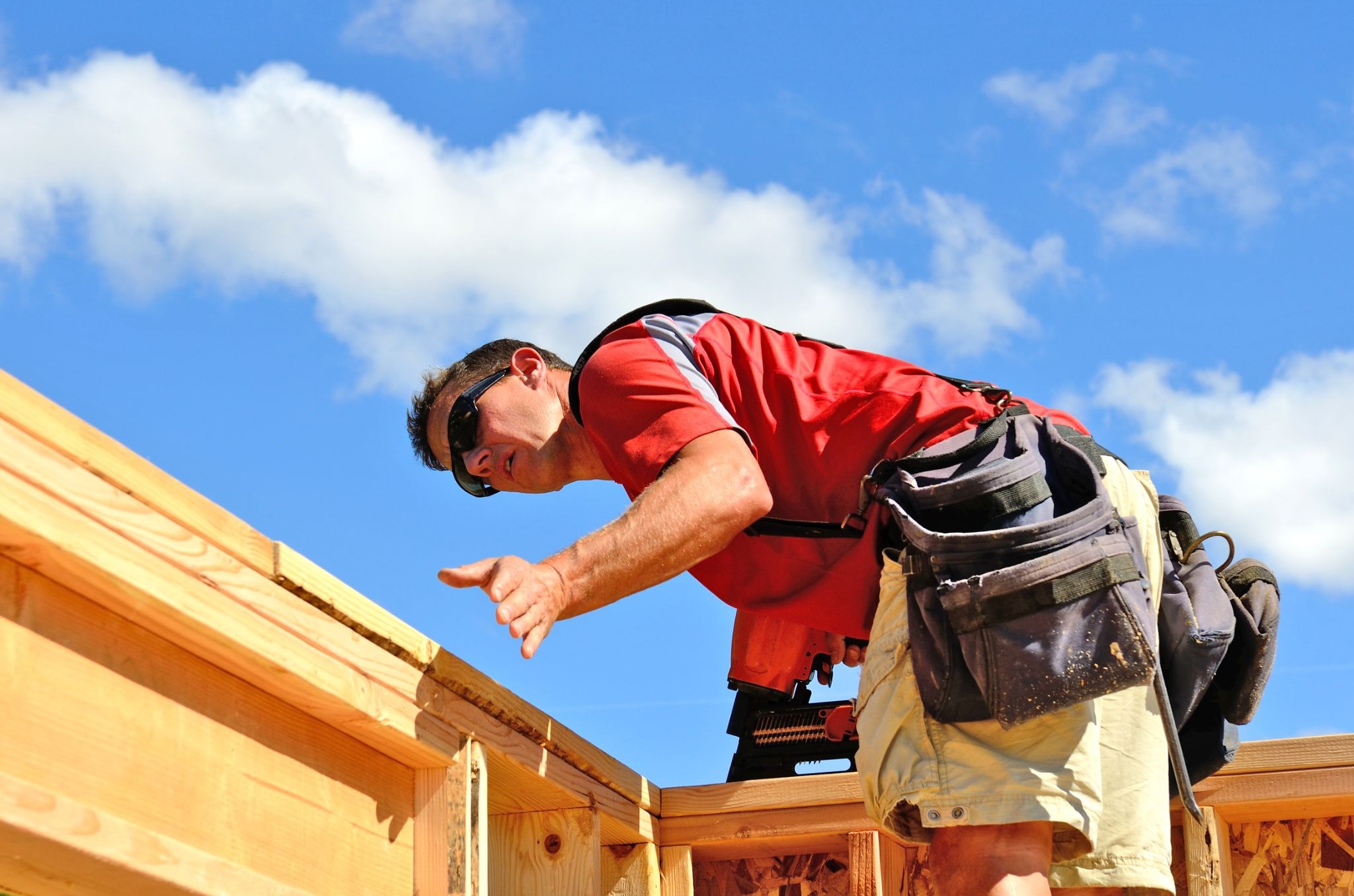
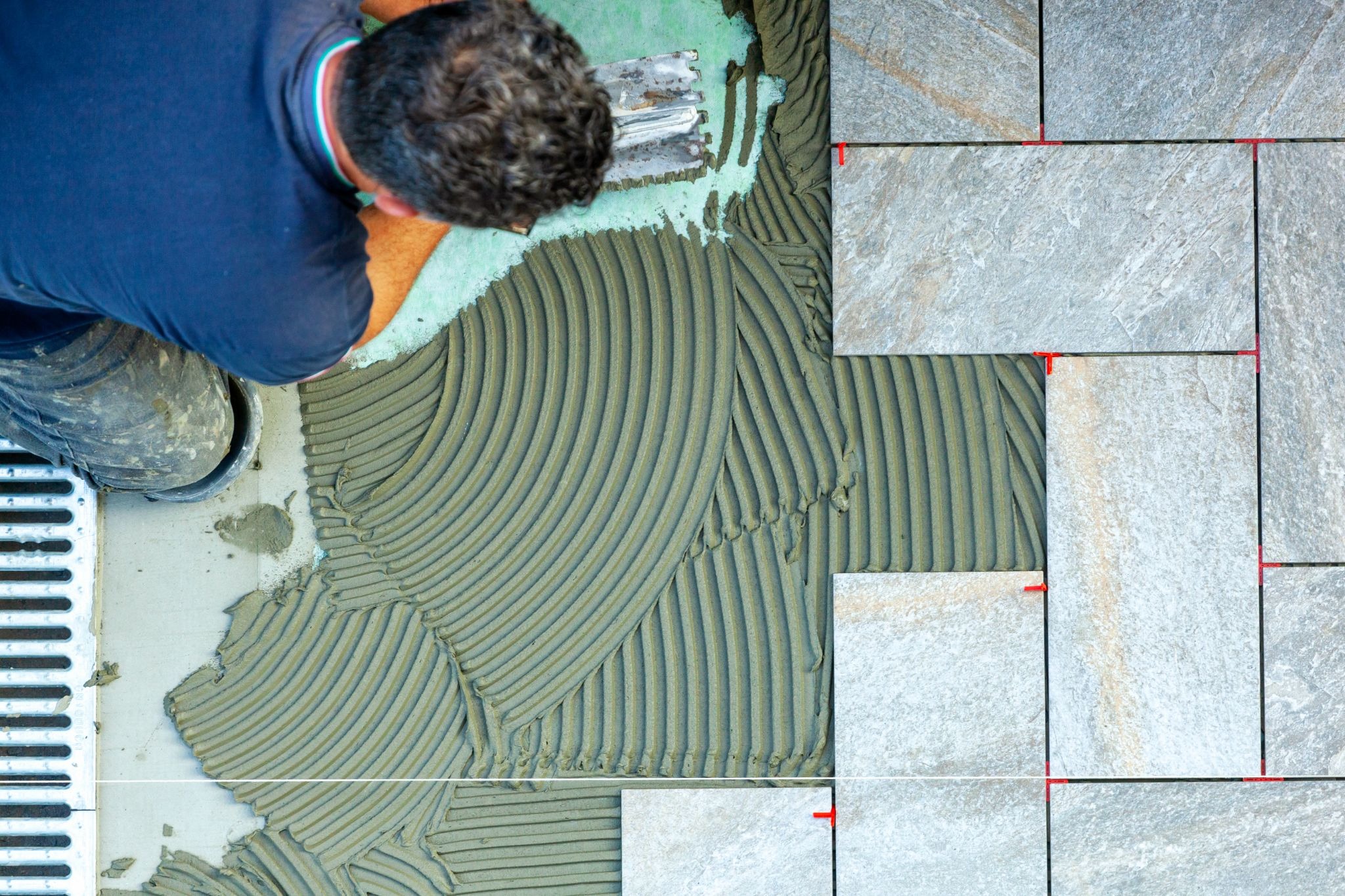
Even the right project can lose value if it’s done poorly. Workmanship affects durability, appearance, and how the home is perceived. Sloppy finishes, uneven installations, and mismatched materials can make an upgrade feel like a future problem rather than a value boost. Quality materials and professional installation protect your investment by ensuring that improvements last and continue to look good. When buyers see a well-executed remodel or upgrade, it signals that the home has been cared for and that future maintenance may be lower. The long-term value of home improvement grows when the work is built to last.
Professional Installation Builds Confidence
When work is clean and consistent, it raises trust in the home’s overall condition.
Better Materials Last Longer
Durable materials reduce wear and help upgrades remain attractive for years.
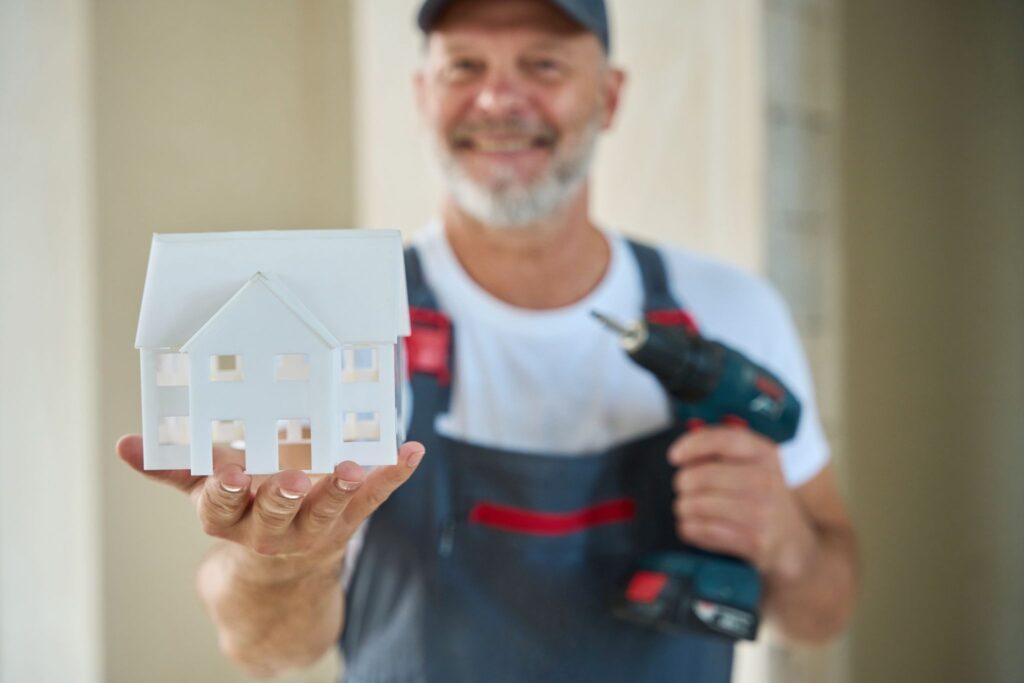
Home Improvement Projects Improve How You Live Today
Long-term value isn’t only about resale. It’s also about how the home supports your life and how much you enjoy living there. Improvements that make the home more comfortable, easier to maintain, and better suited to your routine add value every single day. When your home functions well, you’re less likely to delay maintenance, and the property stays in better shape over time. A home that feels modern, comfortable, and well cared for also tends to retain value even when markets shift. The best home improvement projects create a home you love now while quietly strengthening your investment for the future.
Explore the Homestyle Home Improvements blog for smart home improvement ideas that boost comfort, efficiency, and long-term property value.