


How Roof Replacement Companies Assess Whether You Need a New Roof
Homeowners feel stressed when roof problems appear because the roof protects the home every day. Many people worry about unwanted costs, so they want clear facts from trusted professionals. Roof replacement companies help remove doubt by explaining what the roof shows and what the home may face in the near future. This careful review helps homeowners understand real risks and make wise choices with confidence. Clear information gives people a sense of direction during a stressful moment.
Why a Roof Assessment Matters Before Replacement
A roof assessment shows how much life remains in the current system, preventing unnecessary spending on work you may not need. Contractors study structural strength, material wear, and moisture patterns to pinpoint real problems rather than guess. This deeper look confirms whether repairs can hold or if replacement is the safer path. A solid assessment also helps you understand hidden issues that could grow fast once the next storm hits. Professionals use these findings to outline clear, honest options that match your home’s condition. This process gives you confidence and direction before committing to a significant investment.
How Roof Replacement Companies Assess Roof Needs
Roof replacement companies assess roof needs by evaluating how the system performs under stress and how well it protects the home throughout changing seasons. They examine visible wear, structural behavior, and moisture patterns to understand the roof’s condition clearly. Their process highlights issues that homeowners may overlook until damage spreads. This direct approach prepares homeowners for the detailed evaluation steps that follow.
Start the Roof Evaluation Process
Roof replacement companies start the evaluation by defining the roof’s current condition and how long it can continue performing well. They study visible wear, structural behavior, and weather-exposure patterns to build a complete picture. They also check past repairs because old fixes reveal how the roof handled stress over the years. This steady approach helps homeowners understand what the roof can handle next.
Exterior Scan to Spot Immediate Roof Concerns
Contractors begin with a thorough inspection of the roof’s surface because broad patterns can reveal deeper issues. A wide scan shows faded surfaces, loose edges, or uneven shingle lines that suggest aging. Contractors also study impact marks that storms may have left behind. This wider scan helps them plan where to investigate in more detail. Contractors review past repairs to understand the roof’s history. This early stage shapes the inspection path with clear priorities.
Close Surface Review for Material Fatigue
A close review exposes how long the roofing material can continue protecting the home. Missing granules show weakening surfaces that may lose grip during storms. Cracked or curled shingles signal heat stress and limited flexibility. Worn sealant around vents hints at moisture risks. Flashing cracks indicate areas that are likely to leak soon. This detailed look reveals how the surface behaves under stress.
Roof Feature Checks for Weak Points
Roof features like valleys, skylights, and ridges often show strain first. Contractors study these features because harsh sun and wind hit them harder. Skylight seals loosen as temperatures change, creating entry points for moisture. Ridge shingles dry faster and crack sooner. Chimney flashing often rusts or lifts. This feature review helps identify hidden trouble spots.
Check Roof Structural Stability
Roof replacement companies test the structural strength of a roof by evaluating how it carries weight and resists pressure changes. They walk specific areas to feel softness, dips, or movement underfoot. They check interior framing to understand how shifts in weather have affected the roof over time. This procedure helps confirm whether the structure can withstand additional years of use.

Decking Pressure Tests for Weak Zones
Contractors step gently across the roof to feel how the decking responds to weight. Soft spots reveal moisture erosion that weakens boards. Dark marks indicate leak paths that cross the surface. Loose or rusted nails point to grip loss. Mold growth signals long-term moisture buildup. This testing helps confirm if the decking can support new shingles.
Attic Checks for Heat and Moisture Problems
The attic reveals system stress that homeowners rarely notice. Hot air trapped in the attic causes shingles to warp from beneath. Damp insulation points to moisture movement from leaks. Mold patches on rafters show humidity imbalances. Winter frost on interior wood confirms poor airflow. Contractors use these findings to assess how the roof ages throughout each season.
Alignment Review to Spot Structural Shifts
Contractors review roof alignment to assess how well the framing maintains its shape. Sags suggest weakened trusses that struggled with storms or heavy snow. Bowed areas show years of pressure on a single spot. Dips often signal water pooling zones that may leak soon. Contractors also watch how the roofline meets walls. This alignment check helps reveal deeper structural strain.
Assess Roof Water Damage
Roofing companies study water behavior because moisture causes the fastest deterioration in roofing systems. They track how water enters, where it travels, and how long it stays. They examine stains, mold spots, and damp insulation to judge severity. This kind of study helps confirm the safest path for the home.
Leak Tracking Through Stains and Moisture Trails
Leak trails help contractors determine how long water has been moving through the roof system. Dark spots often show older leaks. Damp wood signals an active problem that needs attention soon. Wet insulation traps moisture and slows airflow. Stains around chimneys or valleys reveal sealing failures. This trail history helps contractors predict what may fail next.
Gutter Flow Checks for Roof Stress Signals
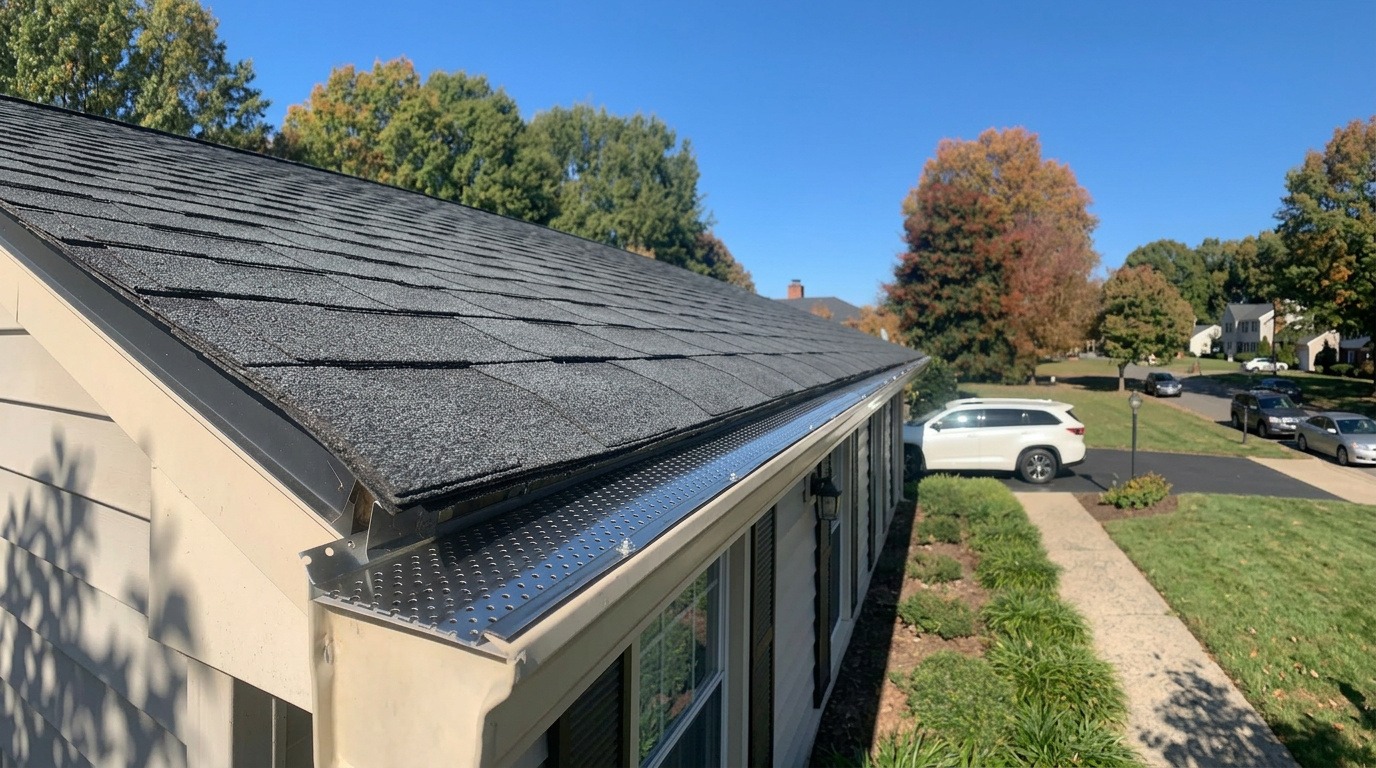
Gutters show how water exits the roof and how well the home handles storms. Overflow marks reveal blockages or slow drainage. Heavy shingle granules inside gutters show material breakdown. Standing water proves slope imbalance. Loose gutters let water hit the fascia boards, which can lead to decay. This drainage review helps confirm if replacement is approaching.
Underlayment Condition After Roof Exposure
Underlayment protects the home when shingles weaken. Torn layers reveal long exposure to storms. Buckled areas show heat pressure. Wet zones confirm leaks. Nail holes widen as the roof ages. This deeper look at underlayment helps determine how long the roof can remain functional.
Flashing Inspections for Water Entry Risks
Flashing shields the roof’s most exposed sections. Rusted flashing around chimneys or vents provides a path for water to enter. Lifted corners show wind strain. Sealant cracks reveal surface aging. Gaps around nails open pathways for moisture. This flashing review helps pinpoint deeper water risks.
Review Roof Age and Material Limits
Roof replacement companies consider age because materials degrade at predictable rates. They compare visible wear with expected lifespan ranges. They consider weather intensity and storm frequency in the region. This evaluation helps contractors give clear replacement timelines.
Wear Patterns That Signal Material Age
Faded shingles show heavy sun exposure. Cracks and splits point to long heat cycles. Lifted edges appear when the material loses strength. Contractors compare these signs to the roof’s documented age. One side of the roof may age faster due to sunlight. This pattern helps refine the replacement plan.
Past Repair Review for Installation Clues
Past repairs often reveal deeper roof behavior. Mismatched areas show rushed patchwork. Loose nails indicate poor installation technique. Thick sealant spots reveal temporary fixes. Contractors also look for raised shingle edges left by poor repairs. This review helps gauge how long the current roof can stay in place.
Material Limits Based on Local Climate
Climate shapes how materials age. Intense sun weakens asphalt shingles faster. Heavy winds lift lightweight shingles. Snow piles add slow pressure across the roof. Hail dents surfaces and creates hidden bruising. This climate review helps decide if a new roof is the safer choice.
What Roof Replacement Companies Present After Inspection
Roof replacement companies share clear evidence so homeowners understand the next step. They offer photos, videos, and detailed findings. They compare repair and replacement paths in honest detail. This transparency builds confidence and removes confusion.
Visual Proof That Explains Roof Problems
Photos highlight cracks, curled shingles, or worn flashing. Videos show roof movement during weight tests. These visuals confirm what contractors describe. Homeowners value clear evidence that supports claims. Visuals also help with insurance questions. This proof strengthens trust.
Side-By-Side Repair vs. Replacement Breakdown
Contractors explain repair options and their limits. They compare cost ranges for both paths. They review how long each option may last. They outline timelines and disruption levels. Some repairs help in the short term, while replacement protects in the long term. This breakdown allows homeowners to make informed choices.
Material Guidance That Matches Local Climate
Contractors explain how each shingle type works in the area. They compare prices, lifespans, and warranties. They explain ridge vents, underlayment options, and protection layers. Homeowners learn which materials better withstand local weather conditions. Contractors help match budget with durability. This guidance shapes sound decisions.
Safety Flags That Need Fast Attention
Some concerns cannot wait without risking greater damage. Leaks may reach wiring if ignored. Sagging boards may fail in intense storms. Loose shingles may fall and damage property. Weak flashing grows worse each season. This safety talk helps homeowners avoid larger problems.
Partner With Trusted Roof Replacement Companies
A strong roofing system protects more than just the structure itself, and choosing the right team shapes how well your home stands up to time and weather. When signs of wear begin to appear, experienced professionals help you avoid further damage and unexpected costs. Their guidance gives you clarity, confidence, and a clear path toward lasting protection. When your home starts signaling that the roof needs attention, partnering with a trusted roofing company provides prompt support and expert care your property deserves.
Gain clarity on roofing decisions and other home care essentials through the Homestyle Home Improvements blog.