




Gutters handle large amounts of rainwater throughout the year, yet debris often disrupts that flow. Leaves, twigs, seeds, and roof granules can collect quickly and create blockages. As clogs develop, water may spill over gutter edges and affect nearby parts of the home. Many property owners look for ways to reduce maintenance while protecting their property from water damage. Gutter protection offers a practical answer by helping gutters stay cleaner and function more efficiently.
What is a Gutter Guard System?
A gutter guard system covers or filters gutter openings to reduce debris buildup. Rainwater flows into the gutter while leaves, twigs, and other materials remain outside the channel. Most systems attach to existing gutters and require little modification to the property’s exterior. This solution helps maintain proper water flow during rainstorms. Different designs offer varying levels of protection depending on local conditions.
Why Choose Gutter Guards
Clogged gutters can cause drainage issues affecting roofs, siding, landscaping, and foundations. Most owners prefer solutions that reduce the need for seasonal gutter cleaning. Gutter protection products help limit debris buildup and support consistent water flow. These benefits make gutter guards an appealing upgrade for long-term property care. They can also help reduce the frequency of ladder use, making routine maintenance safer and more manageable. Many homeowners view gutter guards as a practical investment that helps prevent avoidable repairs and maintenance costs over time.
Types of Gutter Guard Systems
Several gutter protection options are available, and each design manages debris differently. Some systems filter water through small openings, while others direct debris away from the gutter channel. Product performance often depends on local weather conditions and surrounding vegetation. Understanding the main types helps owners compare options more effectively.
Mesh Gutter Guards
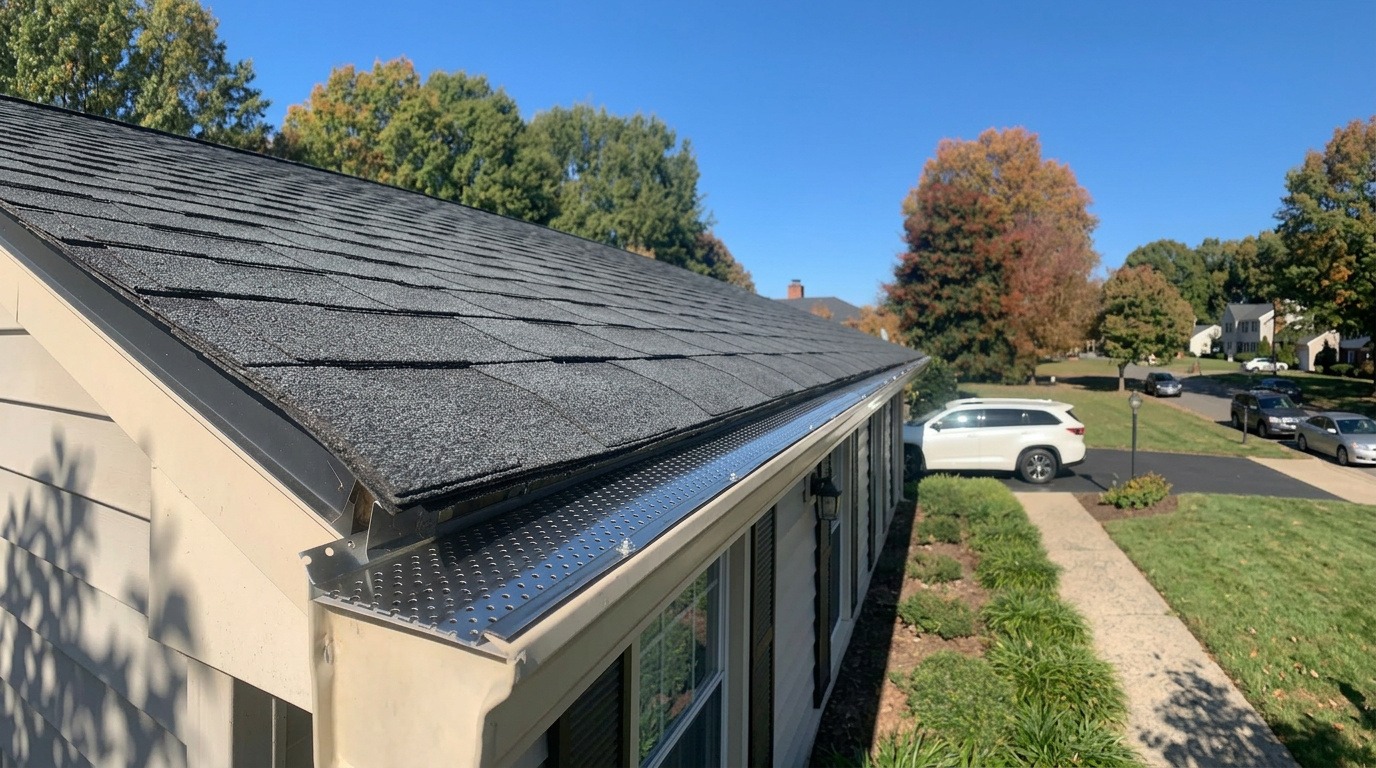
Mesh gutter guards use a finely woven surface that covers the gutter opening. Rainwater passes through the small holes while debris remains above the mesh. This design helps block leaves, pine needles, and many smaller particles. Stainless steel versions often provide strong durability and corrosion resistance. This system performs well in areas with heavy tree coverage and varied debris. Regular inspections help maintain consistent drainage and long-term performance.
Screen Gutter Guards
Screen gutter guards feature larger openings than fine mesh products. Rainwater enters the gutter while larger debris stays above the screen surface. This design usually costs less than many premium gutter protection options. Installation often requires fewer adjustments, which appeals to many property owners. This system works best where large leaves create the primary maintenance concern. Smaller particles may still enter the gutter and require occasional cleaning.
Reverse Curve Gutter Guards
Reverse curve gutter guards use surface tension to direct rainwater into the gutter. Debris moves across the curved surface and falls away from the system. This design differs from traditional filtration methods because it guides water rather than screening it. Professional installation often improves performance because precise positioning matters. This approach can handle large volumes of rain when installed correctly. Owners should consider both appearance and functionality before selecting this option.
Foam Gutter Inserts
Foam gutter inserts sit inside the gutter channel and allow water to pass through. Debris remains above the foam rather than settling in the gutter. This design offers a simple installation process that many homeowners find appealing. Lower upfront costs often make foam inserts attractive for budget-conscious projects. This material may collect organic matter over time and require periodic attention. Routine inspections help identify wear and maintain proper drainage.
Brush Gutter Guards
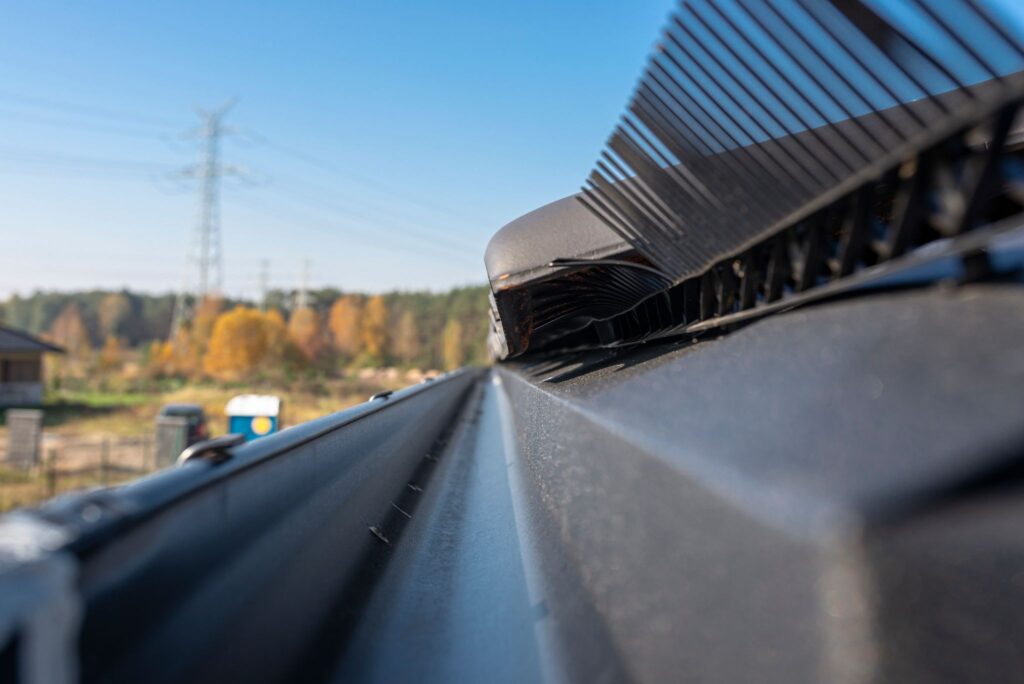
Brush gutter guards consist of cylindrical bristles placed inside existing gutters. The bristles catch larger debris while allowing rainwater to move through the system. This design offers straightforward installation without extensive modifications. Many property owners appreciate the simplicity and accessibility of this option. This system works best in locations where large leaves create recurring problems. Fine debris may still accumulate and require occasional maintenance.
Cost of Gutter Guard Systems
Gutter guard prices vary according to material quality, gutter size, and installation requirements. Professional installation generally increases the total investment but may improve performance and warranty coverage. Understanding common cost factors helps property owners plan their budget more effectively.
Average Cost of Gutter Guard Installation
Gutter guard installation costs vary depending on the selected product, property size, and installation complexity. Most owners can expect a general price range of roughly $7 to $25 per linear foot, although actual costs may fall outside that range. This estimate serves only as a broad reference and should not be viewed as a fixed price. Material quality, gutter condition, roof design, and labor rates can significantly affect the final cost. Professional installation generally costs more than DIY installation but may provide stronger long-term results. Property owners should compare pricing alongside durability, warranty coverage, and potential maintenance savings when evaluating options.
What Affects Gutter Guard Costs?
Several factors influence the final cost of a gutter protection system. Material type often creates the largest price difference between products. Larger homes typically require more materials and labor. This installation scope directly affects the total project cost. Professional installation may increase upfront expenses but can reduce future issues. Homeowners should compare both short-term and long-term value when evaluating options.
Materials Used in Gutter Guards
Manufacturers commonly use aluminum, stainless steel, plastic, and vinyl components. Different materials perform better under certain environmental conditions and weather patterns. Owners should compare material characteristics before choosing a gutter protection system.
Aluminum Gutter Materials
Aluminum remains one of the most common materials used in gutter protection products. The material resists rust while remaining lightweight. This material performs well in many climates and weather conditions. Manufacturers often use aluminum frames because they strike a balance between durability and affordability. This option can provide years of dependable service with proper installation. Many property owners appreciate its clean appearance and long-term reliability.
Stainless Steel Gutter Guard
Stainless steel offers exceptional strength and corrosion resistance. Many premium mesh systems use this material for long-lasting performance. This material effectively withstands harsh weather and heavy debris exposure. Fine mesh construction allows water to enter while blocking smaller particles. This option often carries longer warranties due to its durability. Property owners seeking a long-term solution frequently consider stainless steel products.
Plastic and Vinyl Materials
Plastic and vinyl gutter guards usually cost less than metal alternatives. These materials provide a lightweight solution for basic gutter protection needs. This option appeals to owners working within a limited budget. Product quality varies significantly between manufacturers and designs. This material may experience wear faster under prolonged exposure to extreme weather. Careful product selection helps improve long-term performance and value.
Benefits of Gutter Protection
Gutter guards help reduce debris buildup and support reliable water movement during storms. Cleaner gutters often require less maintenance, which saves time and effort. These systems can also discourage pests that nest inside open gutters. Improved drainage helps reduce the risk of water-related damage around the home.
Reduced Gutter Cleaning
Many property owners install gutter guards to decrease routine maintenance demands. Debris remains above the protective surface rather than collecting in the gutters. This benefit reduces the frequency of seasonal cleaning tasks. Fewer cleanings can save both time and physical effort throughout the year. This advantage also reduces the need for repeated ladder use. Owners often appreciate the added convenience of cleaner gutters.
Better Water Flow
Rainwater moves more efficiently when debris does not obstruct the gutter channel. Consistent drainage helps direct water away from vulnerable areas of the property. This benefit supports the overall effectiveness of the gutter system. Reducing blockages lowers the chance of overflow during heavy rainfall. This improvement helps maintain proper water management around the home. Reliable drainage contributes to better exterior protection over time.
Protection Against Water Damage
Overflowing gutters can contribute to foundation issues, landscape erosion, and siding stains. Gutter guards help reduce those risks by supporting steady water movement. This protection helps keep rainwater moving toward designated drainage areas. Reduced moisture exposure benefits several parts of the home’s exterior. This advantage may help prevent costly repairs related to water intrusion. Property owners often view gutter protection as a preventive investment.
Fewer Pest Problems
Open gutters can attract insects, rodents, and nesting birds. Debris-filled gutters create conditions that many pests find appealing. This protection system limits access to those sheltered environments. Reducing debris also removes many of the nesting materials pests prefer. This benefit contributes to a cleaner and less attractive habitat for unwanted visitors. Owners often notice fewer pest-related concerns after installation.
How Long Do Gutter Guards Last?
The lifespan of gutter guards depends on material quality, installation quality, and environmental conditions. Some products remain effective for many years with minimal maintenance. Exposure to severe weather and heavy debris can affect longevity. Understanding expected service life helps owners make informed purchasing decisions.
Average Lifespan of Gutter Guards
Most gutter guard systems provide years of reliable performance when properly maintained. Product lifespan varies according to material quality, installation quality, and environmental conditions. Stainless steel and aluminum systems often remain effective longer than lower-cost alternatives. This longevity advantage makes premium products attractive to homeowners seeking long-term value. Regular inspections help identify minor issues before they affect performance. Property owners should review their warranty coverage to better understand the expected product lifespan.
Factors That Affect Lifespan
Material durability strongly influences how long a gutter protection system remains effective. Stainless steel and aluminum products often last longer than lower-cost alternatives. This durability advantage can improve long-term value despite higher upfront costs. Regular inspections also help identify minor issues before they become larger problems. Proper installation supports consistent performance throughout the product’s lifespan. Owners should review warranty details when comparing options.
Improve Drainage With Modern Gutter Guards
Rainwater should move away from your home efficiently, not spill over clogged gutters and create avoidable problems. Modern gutter guards help keep debris out of the system while maintaining consistent water flow year-round. A well-matched gutter solution can reduce maintenance demands, limit the risk of water-related damage, and improve overall gutter performance. Choosing the right gutter protection system now can help preserve your property’s condition and prevent small drainage issues from becoming costly repairs later.
Every part of your property works better with the right knowledge behind it. Explore the Homestyle Home Improvements blog for straightforward guidance, maintenance advice, and ideas that help you protect your investment with confidence.