

Most homeowners expect their heating and cooling systems to keep their homes comfortable year-round. When rooms start feeling too hot, too cold, or unusually drafty, many assume the HVAC system is the problem. However, insulation often has a bigger impact on comfort and energy efficiency than people realize. When it begins to wear down or fail, the signs can appear throughout the house in subtle ways. Recognizing those warning signs early can help you avoid higher utility costs and more expensive home repairs.
How Insulation Affects Home Performance
Many homeowners think of insulation as a material hidden behind walls and ceilings. In reality, it affects how efficiently the entire home operates. It influences indoor comfort, energy use, moisture control, and HVAC performance. Understanding this connection makes it easier to recognize when something is no longer working properly.
Insulation Helps Control Heat Transfer
Heat naturally moves from warmer areas to cooler ones. During summer, heat tries to enter your home from outside. During winter, indoor heat tries to escape. Insulation slows that movement and helps maintain a more stable indoor temperature. When insulation becomes damaged or insufficient, heat moves more freely through the structure. As a result, your heating and cooling equipment must work harder to keep up.
Air Sealing and Insulation Work Together
Insulation performs best when unwanted air movement is limited. Small gaps around walls, attics, and crawl spaces allow conditioned air to escape. Outside air can also enter through those openings. Even high-quality insulation cannot fully compensate for significant air leaks. Together, air sealing and insulation create a more effective thermal barrier. When either one is compromised, comfort and efficiency often decline.
How to Tell if Insulation is No Longer Working
Insulation is easy to overlook because it stays hidden behind walls, ceilings, and floors. However, its condition affects energy efficiency, indoor comfort, and even the workload placed on your HVAC system. As insulation performance declines, homeowners often experience a series of noticeable changes throughout the house. Recognizing these signs early can help you address problems before they become more costly.
Rising Energy Bills Without a Clear Cause
Energy costs fluctuate over time, but major increases warrant attention. If your habits have not changed, your utility bills should remain relatively consistent. When costs continue climbing without explanation, insulation may be part of the problem. This issue often develops gradually, making it easy to overlook.
Heating and Cooling Systems Run Longer
A properly insulated home retains conditioned air more effectively. When insulation no longer performs well, indoor temperatures change more quickly. Your HVAC system must then run longer to maintain thermostat settings. Over time, those longer operating cycles increase energy consumption. Many homeowners notice higher bills before they notice comfort issues. A professional inspection can determine if inadequate insulation contributes to the problem.
Utility Bills Increase Year After Year
Energy rates can rise, but insulation problems often create a different pattern. Bills continue increasing even when weather conditions remain similar. Homeowners may replace thermostats or service their HVAC systems without seeing much improvement. The real issue may be hidden inside walls, attics, or crawl spaces. Poor thermal protection allows energy to escape year-round. Addressing insulation deficiencies can help reduce unnecessary energy loss.
Uneven Temperatures Around the Home
A comfortable home should feel consistent from one room to another. Significant temperature differences often suggest insulation gaps or deterioration. Some areas may feel comfortable while others remain difficult to heat or cool. These inconsistencies can affect comfort every day.
Certain Rooms Always Feel Colder or Warmer
Many homeowners notice one room that never feels quite right. A bedroom may stay chilly during winter, while a bonus room feels hot during summer. In many cases, inadequate insulation allows heat to move too easily through those spaces. Adjusting the thermostat rarely solves the underlying issue. The rest of the house may become uncomfortable while you try to compensate. Professional insulation services can identify the cause and recommend improvements.
Upstairs Areas Become Hard to Manage
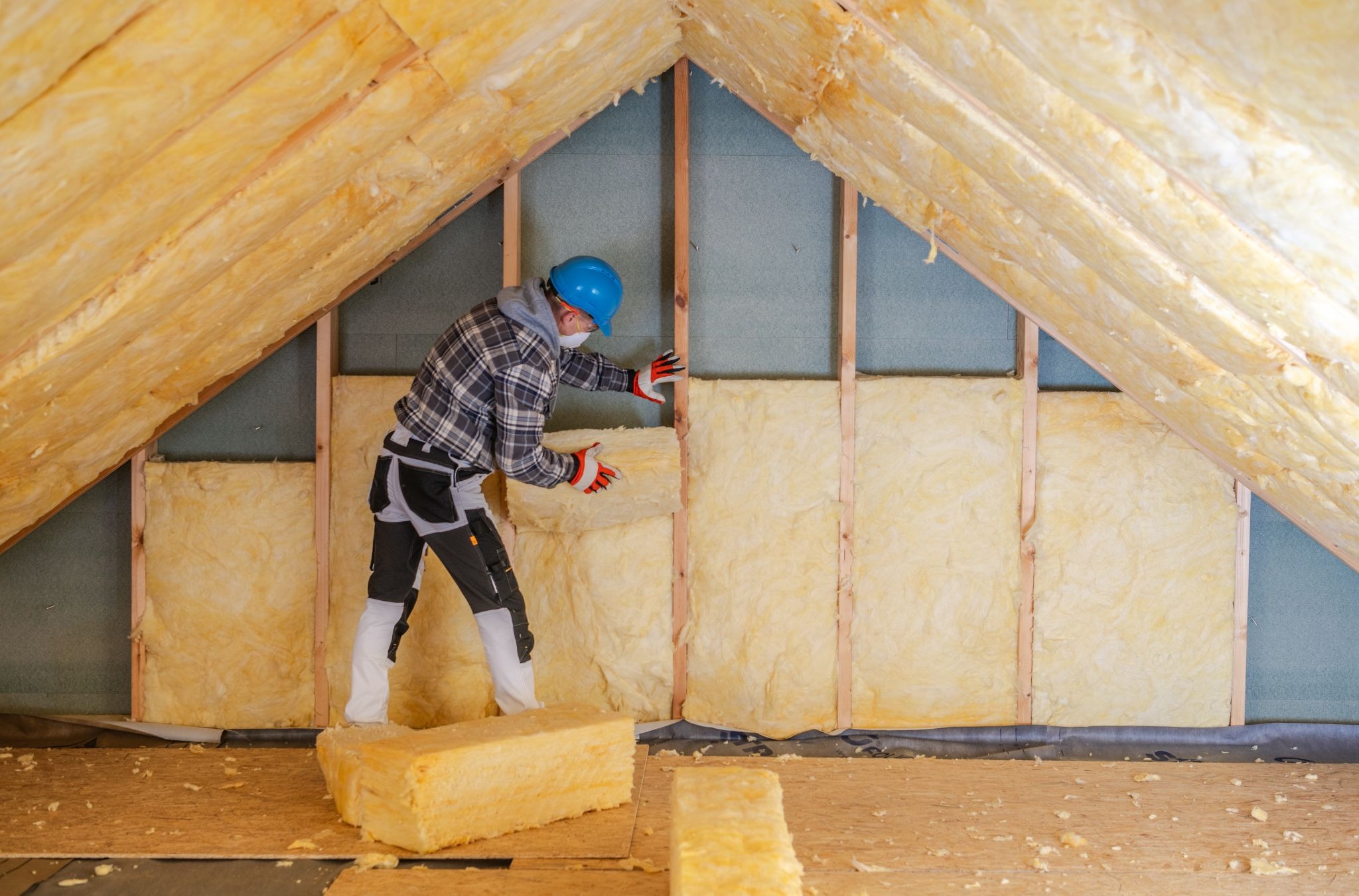
Temperature problems often appear on upper floors first. Heat rises naturally and collects near ceilings. If the attic insulation has deteriorated, heat escapes during the colder months. During warmer months, outdoor heat can enter more easily through the roof. This situation creates uncomfortable living spaces and higher cooling costs. Improving attic insulation often helps balance temperatures throughout the home.
Drafts Continue Despite Closed Windows
Drafts can make a home feel uncomfortable even when temperatures seem normal. Many homeowners immediately blame doors or windows. However, insulation problems can also create noticeable air movement indoors. These drafts often signal hidden efficiency issues.
Cold Air Appears Near Walls and Floors
Air leaks are not always visible. Gaps in insulation can allow outdoor air to enter wall cavities and spread indoors. Homeowners may notice cool areas near floors, outlets, or exterior walls. Those areas often feel colder than the surrounding spaces. Increasing thermostat settings usually provides only temporary relief. A professional assessment can identify where air infiltration occurs.
Windy Days Make Indoor Comfort Worse
Strong outdoor winds often expose weaknesses within a home’s thermal envelope. Rooms may suddenly feel draftier despite closed windows and doors. This situation suggests that outdoor air is finding pathways inside. At the same time, conditioned air may be escaping. Both issues reduce efficiency and comfort. Proper insulation combined with air sealing can help minimize these problems.
Moisture Problems Start Appearing
Comfort and energy efficiency are not the only concerns linked to insulation. Moisture management also depends on proper thermal protection. When temperature differences develop inside walls and ceilings, condensation can occur. Over time, that moisture may cause more serious issues throughout the home.
Condensation Forms More Frequently
Water droplets on windows may seem harmless at first. However, persistent condensation often points to a larger concern. Poor insulation can create cold surfaces where moisture naturally collects. That moisture can affect nearby materials over time. It may also contribute to indoor humidity problems. Professional evaluation helps determine whether insulation is contributing to the issue.
Damp Areas Develop in Hidden Spaces
Attics, basements, and crawl spaces often reveal insulation problems. Homeowners may notice damp insulation, musty odors, or visible moisture. These conditions can reduce insulation performance and affect surrounding materials. Moisture problems rarely improve without addressing the underlying cause. Ignoring them may lead to more extensive repairs later. Insulation upgrades often play an important role in correcting these conditions.
Indoor Comfort Changes With the Seasons
Seasonal weather should not dramatically change how comfortable your home feels indoors. While heating and cooling systems help regulate temperatures, insulation supports that effort year-round. When insulation begins to fail, seasonal discomfort often becomes more noticeable. Many homeowners experience these changes long before realizing what causes them.
Summer Heat Enters Too Easily
A well-insulated home should help slow heat gain during warmer months. If rooms become hot shortly after the air conditioner shuts off, insulation may no longer perform effectively. Attics are often the first areas where this problem appears. Excess heat can move through the roof and into living spaces below. As indoor temperatures rise, cooling equipment must run longer to compensate. This pattern increases energy use and can make the home feel less comfortable throughout the day.
Winter Temperatures Feel Harder to Manage
Cold weather often reveals insulation weaknesses that go unnoticed during milder seasons. Rooms may feel chilly even when the thermostat setting remains unchanged. Heat escapes more quickly through areas with insufficient insulation. As a result, the furnace works harder to maintain a comfortable temperature. Some homeowners notice cold spots near walls, ceilings, or floors. Improving insulation can help the home retain heat more effectively and reduce unnecessary energy use.
How Poor Insulation Affects HVAC Systems
Most homeowners focus on energy bills when evaluating insulation performance. However, HVAC equipment is also affected by inadequate thermal protection. Heating and cooling systems must work harder when conditioned air escapes too easily. Over time, that extra workload can affect performance and longevity.
Increased Wear and Tear on Equipment
HVAC systems are designed to operate in regular cycles. Poor insulation forces them to run longer and more frequently. This additional workload places extra strain on components such as motors and compressors. Over time, normal wear occurs more quickly. Homeowners may notice reduced efficiency or inconsistent temperature control. Improving insulation can help reduce unnecessary demand on the system.
More Frequent Repair Needs
Equipment that works harder often experiences more maintenance issues. Longer operating cycles increase stress on mechanical components. Small problems can develop into larger repairs when systems rarely get a break. Homeowners may find themselves scheduling service calls more often than expected. While insulation does not eliminate all HVAC problems, it supports more efficient operation. Better thermal performance can help reduce avoidable strain on heating and cooling equipment.
Reduced System Lifespan and Efficiency
Heating and cooling systems are designed to operate within specific performance ranges. Poor insulation forces them to run longer and more frequently to maintain comfortable indoor temperatures. This extra workload increases wear on critical components and can reduce overall efficiency over time. As strain builds, homeowners may experience more frequent repairs and higher operating costs. Addressing insulation problems can help support HVAC performance and extend the system’s useful lifespan.
Restore Comfort With Professional Insulation Services
Small signs of insulation problems rarely improve on their own. Higher energy bills, uneven temperatures, and persistent drafts often point to issues hidden behind walls, above ceilings, or beneath floors. Addressing those concerns early can help improve comfort, reduce energy waste, and lessen unnecessary strain on your HVAC system. Professional insulation services provide the insight needed to identify the source of the problem and help your home perform more efficiently for years to come.
Small home issues often reveal bigger opportunities for improvement. Discover helpful resources, expert guidance, and homeowner-focused solutions on the Homestyle Home Improvements blog.