
Your home’s exterior often reveals problems before they reach the interior. Damaged siding allows moisture and air to seep in, weakening comfort and structure. Many homeowners delay action because early signs seem minor or cosmetic. Over time, those small flaws can expand into costly structural repairs. Understanding siding repair gives you the clarity to respond before damage spreads further.
What Siding Does for Homes
Siding protects your home by acting as a barrier against weather and external wear. This protective layer keeps moisture out while helping regulate indoor temperatures. It also shapes curb appeal, which affects property value and neighborhood perception. When siding weakens, both protection and appearance begin to decline quickly.
Types of Residential Siding Materials
Common siding materials vary in durability, cost, and maintenance needs for homeowners. Vinyl siding resists moisture and remains one of the most widely used options today. Wood siding offers a natural appearance, though it requires consistent sealing and maintenance. Fiber cement combines durability with a wood-like finish, making it a practical alternative. Metal siding handles harsh weather well but may dent from impact over time. Composite siding blends materials to improve strength and reduce maintenance, making it well-suited for long-term use.
How Siding Supports Energy Efficiency
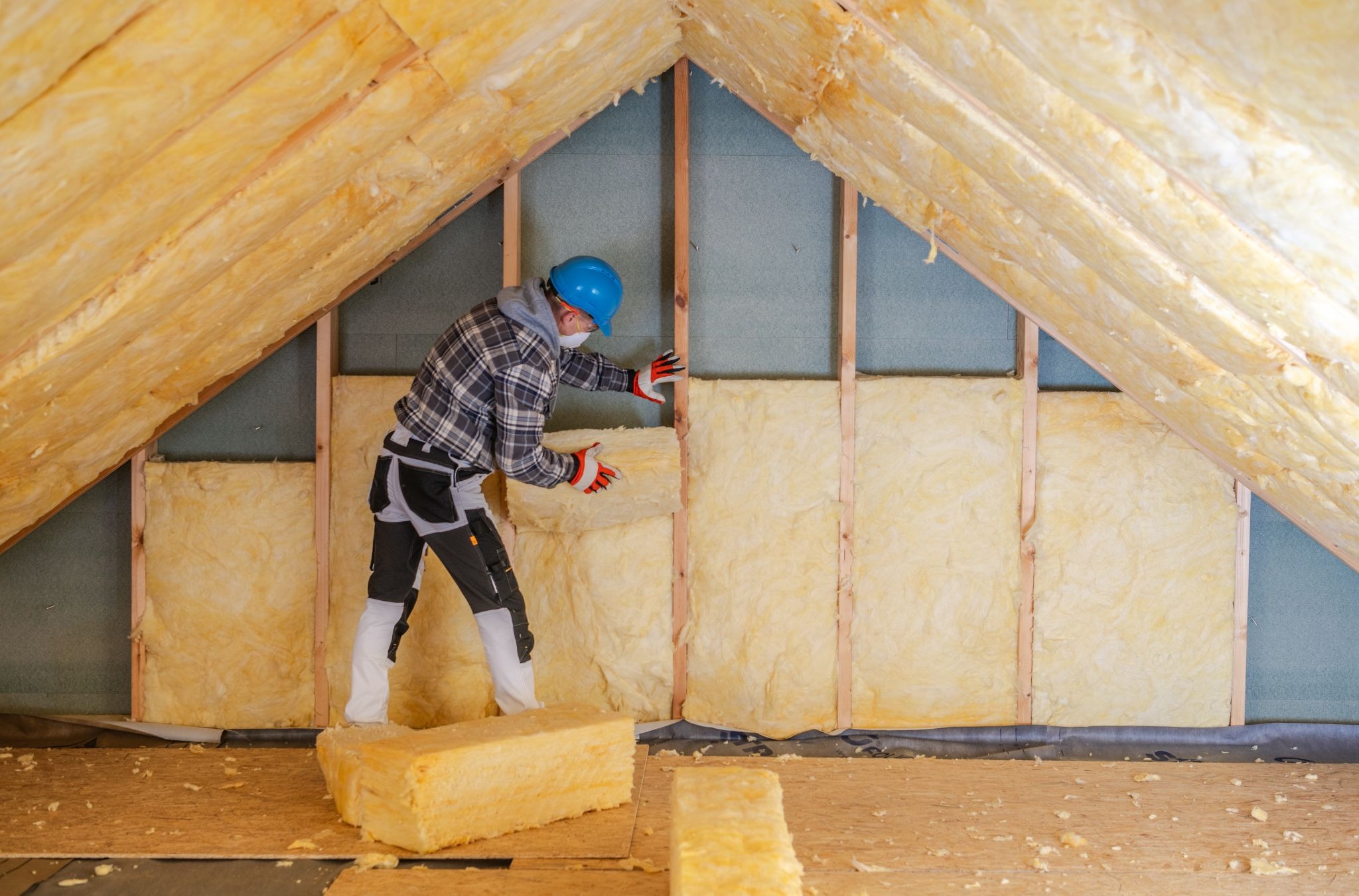
Siding helps regulate indoor temperature by acting as an outer insulation layer for your home. This barrier reduces heat transfer during both hot and cold seasons. Well-installed siding, when paired with insulation, helps lower energy consumption and stabilize indoor comfort. Gaps or damaged panels can allow air leaks that increase heating and cooling costs. According to energy-efficiency studies, exterior sealing reduces energy loss in residential buildings. Maintaining siding condition helps preserve these efficiency benefits over time.
Signs You Need Siding Repair
Siding damage shows clear warning signs that indicate the need for repair before structural issues worsen. This visible damage often appears as cracks, warping, or loose panels on exterior walls. It may also involve hidden concerns that affect insulation and interior surfaces. Recognizing these signals helps homeowners address problems before repair costs increase.
Visible Damage on Siding Panels
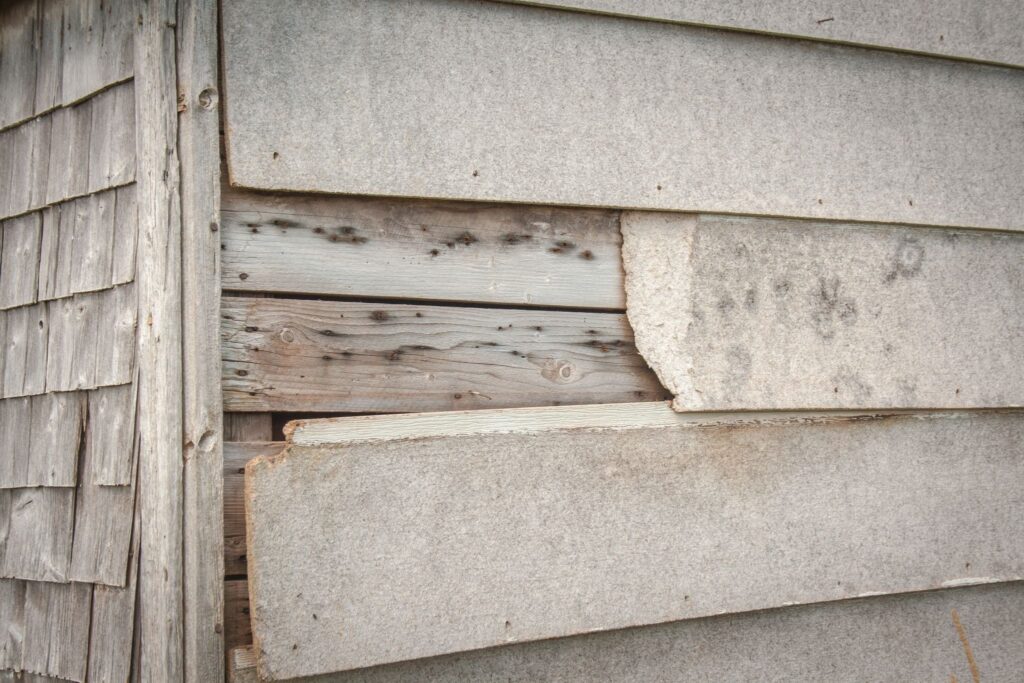
Visible siding damage includes cracks, gaps, or holes that expose underlying structures to moisture. These openings allow water and pests to enter, potentially leading to more serious structural issues. Warped panels often result from heat exposure or improper installation practices over time. Fading color signals prolonged sun exposure, which gradually weakens material integrity. Loose panels may shift during strong winds, creating gaps along the exterior wall surface. Addressing these issues quickly helps maintain both protection and visual consistency.
Hidden Structural Damage Risks
Hidden siding damage often develops beneath panels where moisture becomes trapped unnoticed. This trapped moisture can lead to mold growth, wood rot, and insulation breakdown over time. Soft spots along walls may indicate deeper structural weakening behind the siding layers. Increased energy bills can also signal compromised insulation caused by water intrusion. According to building performance studies, moisture damage ranks among the leading causes of exterior failure. Professional inspections help identify these concerns before they expand further.
Interior Signs Linked to Siding Issues
Interior changes can reflect exterior siding problems that affect structural performance. This condition may appear as peeling paint or wallpaper along interior walls. Water stains near windows or ceilings can signal moisture entering through damaged siding. Drafts inside the home often indicate gaps or weakened exterior panels. Unusual odors may result from mold growth caused by trapped moisture. These signs connect interior conditions with exterior siding damage that requires attention.
Causes of Siding Damage
Siding damage results from continuous exposure to environmental stress and installation-related issues. This wear builds gradually as materials are exposed to changing weather and physical impacts. It may also stem from improper installation methods or low-quality materials. Understanding these causes helps homeowners prevent recurring repair problems.
Weather and Environmental Impact
Weather conditions place constant pressure on siding materials, leading to gradual deterioration. Heavy rain and wind can loosen panels or force moisture into small openings. Hail impacts often create dents or cracks that weaken protective layers. Sun exposure causes fading and brittleness, especially in older siding materials. Temperature fluctuations cause expansion and contraction, which may loosen fasteners over time. Managing these environmental factors helps extend the lifespan of exterior surfaces.
Installation and Material Issues
Siding installation errors often create vulnerabilities that lead to premature siding failure. Improper panel spacing may cause warping during temperature changes. Fasteners placed incorrectly can weaken panel stability and allow movement over time. Low-grade materials tend to degrade faster under normal environmental conditions. Poor sealing around edges can allow water infiltration behind siding layers. Correct installation practices reduce these risks and support longer-lasting results.
Aging and Lack of Maintenance
Aging siding gradually loses strength as materials break down from long-term exposure. This natural wear can lead to cracks, fading, and reduced moisture resistance. Lack of routine maintenance accelerates deterioration and increases repair needs. Dirt buildup can trap moisture against siding surfaces, causing damage over time. Neglected minor issues often grow into larger structural concerns. Consistent upkeep slows aging effects and preserves siding performance.
The Siding Repair Process
The siding repair process restores both protection and appearance through a structured approach. This process begins with inspection and continues through preparation, repair, and final review. Each step addresses specific issues to prevent further damage. Understanding this process helps homeowners set clear expectations for service outcomes.
Inspection and Damage Assessment
Inspection identifies visible and hidden siding issues that affect structural performance. This evaluation includes checking for cracks, moisture intrusion, and weakened support areas. Professionals often use specialized tools to detect problems beneath the surface layers. Accurate assessment determines the scope of repair and guides material selection. It also helps estimate costs and timelines based on the extent of damage. Reliable inspection results support effective and lasting repairs.
Preparing the Repair Area
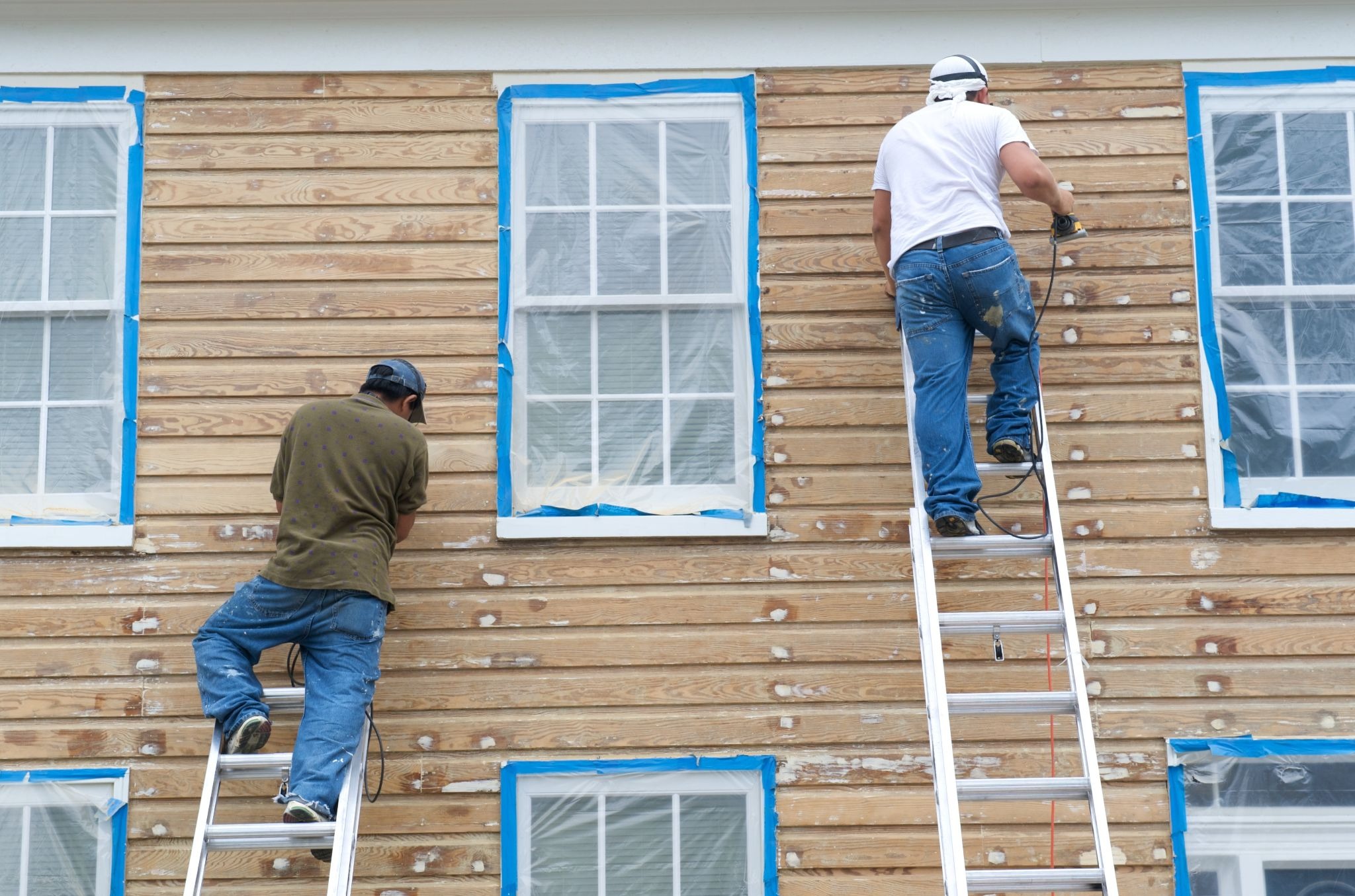
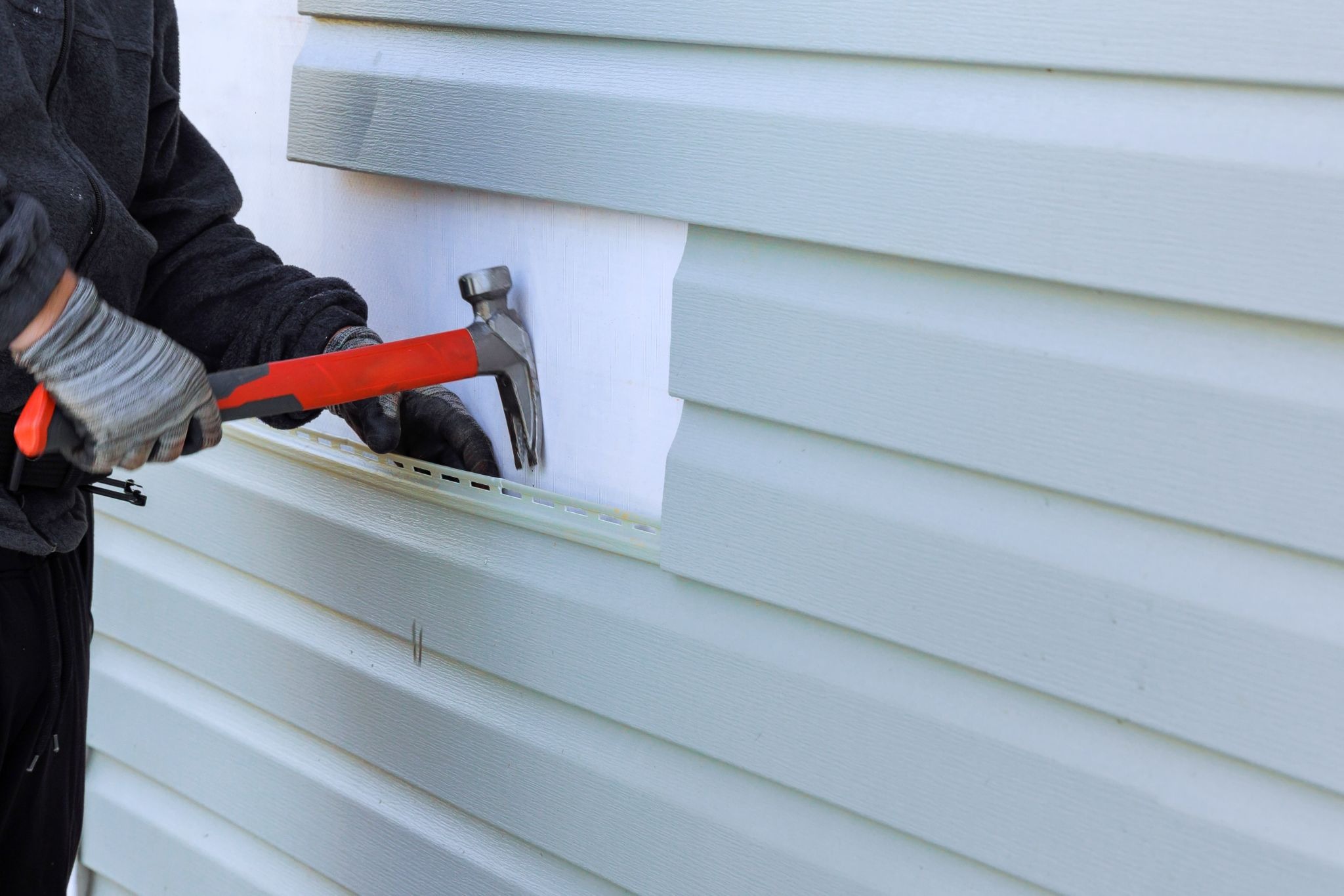
Preparation involves removing damaged sections while protecting the surrounding siding. This step ensures that repairs do not affect intact areas of the exterior surface. Contractors clean debris and dry the area to create a stable working environment. Proper preparation improves how new materials bond and perform over time. Safety measures are also applied to protect workers and the property during repairs. A well-prepared area supports consistent and durable repair results.
Repairing or Replacing Sections
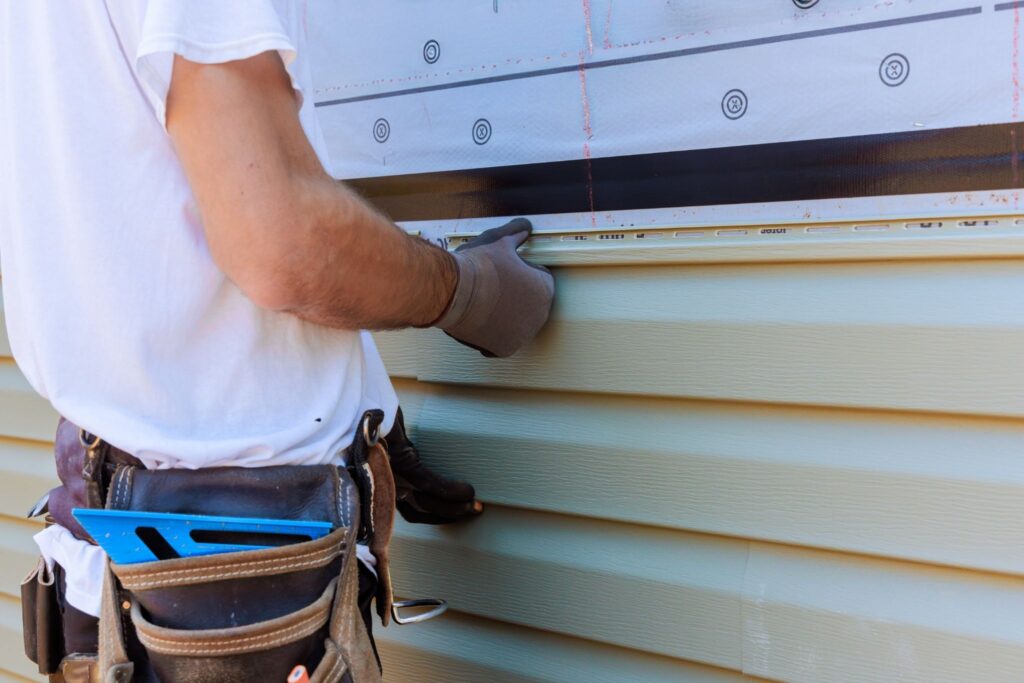
Repair work focuses on restoring damaged siding through patching or full panel replacement. Minor issues may require sealing or filling to restore structural integrity. Severe damage often requires replacing entire sections to maintain durability. Matching materials and colors helps maintain a uniform exterior appearance. Proper fastening and sealing prevent moisture from entering repaired areas. These repair methods help extend the lifespan of your siding system.
Final Inspection and Finishing Work
Final inspection confirms that all repaired sections meet quality and performance standards. This review checks alignment, sealing, and overall structural consistency across the repaired area. Finishing work may include painting or coating to match the existing exterior surface. Cleaning removes debris and improves the siding’s final appearance. Contractors verify that no gaps or vulnerabilities remain after repairs. This final step supports long-term durability and visual appeal.
DIY vs Professional Siding Repair
Choosing between DIY and professional siding repair depends on the extent of the damage and the required skill level. This decision affects both the quality and durability of the outcome. Small repairs may seem manageable, but hidden issues often require expert attention. Evaluating both options helps homeowners avoid unnecessary risks.
When DIY Siding Repair Works
DIY siding repair works best for minor issues such as small cracks or loose panels. This approach requires basic tools and a clear understanding of proper repair techniques. Homeowners may handle simple cosmetic fixes without affecting structural performance. However, incorrect repairs can create openings for moisture and further damage. Even minor errors may lead to higher repair costs over time. Careful evaluation helps determine whether a DIY repair is suitable.
Benefits of Professional Repair Services
Professional siding repair provides accurate diagnosis and reliable long-term solutions. This expertise enables siding contractors to identify hidden damage that might otherwise go unnoticed. Skilled technicians use appropriate tools and materials to ensure consistent repair quality. Many services include warranties that support long-term confidence in the work. Professional repairs often improve both protection and overall appearance. This approach reduces the likelihood of recurring issues and added expenses.
Risks of Delayed or Improper Repairs
Delays in siding repair can allow minor damage to expand into structural problems. This situation increases the risk of moisture intrusion and interior wall damage. Improper repairs may fail to seal gaps, leading to repeated issues. Temporary fixes often mask deeper concerns without resolving root causes. Repairing damage correctly the first time reduces long-term costs. Timely and accurate work protects your home’s structural integrity.
Cost Factors in Siding Repair
Siding repair costs depend on the material type, labor, and the extent of the damage. This pricing varies based on the size and complexity of the repair project. Understanding these factors helps homeowners plan and budget effectively. Clear expectations prevent unexpected expenses during the repair process.
Material Costs and Availability
Material costs vary depending on siding type, quality, and market availability. This variation affects how easily contractors can match existing siding during repairs. Premium materials often cost more but provide longer durability and better performance. Limited availability may lead to higher prices due to supply constraints. Homeowners should weigh upfront costs against long-term value and maintenance needs. Selecting suitable materials supports both budget and durability goals.
Labor and Project Scope Costs
Labor costs depend on the time, effort, and expertise required for siding repair work. This factor increases when repairs involve hard-to-reach or structurally complex areas. Larger damaged sections require more materials and extended labor time. Skilled labor may cost more but delivers more consistent and durable results. Project scope directly influences total repair expenses and timelines. Clear communication with contractors helps manage cost expectations effectively.
Additional Costs to Consider
Additional costs may arise from underlying damage discovered during siding repair projects. This situation can include insulation replacement or structural reinforcement behind panels. Permit requirements may also increase overall expenses, depending on local regulations. Disposal of old materials can increase project costs in some cases. Unexpected repairs often affect both budget and timeline. Planning for contingencies helps reduce financial strain during the process.
Strengthen Your Exterior With Siding Repair
Siding repair reinforces your home’s exterior and helps prevent more serious structural damage. Small issues can expand quickly, leading to higher costs and more complex fixes. Addressing damage restores protection against moisture, weather, and energy loss. Skilled repair work also improves the appearance of your siding while extending its life. Choosing siding repair now keeps your home durable, efficient, and ready for changing conditions.
Find practical solutions and trusted advice on siding repair at the Homestyle Home Improvements blog—built for homeowners who want lasting results.