
Leaves accumulate quickly on roofs and in drainage systems, creating issues that often go unnoticed at first. Property owners deal with clogged gutters, water overflow, and rising maintenance costs that disrupt operations. Debris buildup also affects roofing materials, drainage efficiency, and the overall condition of large properties over time. Leaf protection provides a structured way to manage these challenges while keeping systems functional. Reliable drainage control supports smoother operations and protects long-term property performance.
What is the Leaf Protection System?
Leaf protection refers to systems that block debris while allowing water to flow through drainage channels. These systems attach to gutters or integrate into existing roofing structures to improve performance. Property owners use them to reduce maintenance and protect building components from damage. Understanding how these systems work helps guide better investment decisions.
Leaf Protection System Definition
Leaf protection systems act as barriers that prevent debris from entering gutters and downspouts. This system design prevents leaves, twigs, and dirt from clogging drainage pathways. Property managers rely on these systems to maintain steady water flow during storms. Consistent flow reduces the risk of overflow, which can damage building surfaces. These systems also limit moisture exposure, which weakens roofing materials over time. This approach supports cleaner and more efficient property maintenance practices.
Materials Used in Leaf Protection
Durable materials such as aluminum, stainless steel, and reinforced plastics withstand outdoor exposure well. These material choices resist corrosion and maintain strength during changing weather cycles. Mesh screens and perforated panels allow water to pass while effectively blocking debris. Solid covers guide water into gutters while pushing leaves away from the edge. This variety of materials allows property owners to choose options that match their durability and budget needs. Reliable materials reduce replacement frequency and support long-term system performance.
How Leaf Protection Controls Debris
Debris control relies on directing water through filtered openings while deflecting larger materials. This system design prevents leaves from settling inside gutters and causing blockages. Surface tension systems move water along curved edges into the drainage channel. Screen systems filter debris while maintaining consistent water flow. This controlled process reduces standing water that can damage roofing structures. Proper flow management protects both the building exterior and the surrounding areas.
Benefits of a Leaf Protection System
Leaf protection improves drainage performance while reducing maintenance demands for commercial properties. These systems help prevent damage caused by water overflow and debris buildup. Property owners benefit from lower operational costs and improved building conditions. A reliable system supports consistent performance across different weather conditions.
Prevent Water Damage Risks
Clear drainage pathways reduce the risk of water overflow that damages walls and foundations. This system design keeps gutters functional during heavy rainfall, allowing water to move away from the structure. Overflowing water can seep into roofing layers, creating internal leaks. Consistent drainage helps protect insulation and interior surfaces from moisture exposure. This protection reduces the chance of structural weakening over time. This prevention method helps avoid expensive repairs and operational disruptions.
Lower Maintenance and Labor Costs
Reduced debris buildup means maintenance teams spend less time cleaning gutters. This system setup saves time and lowers labor expenses for large properties. Property managers can allocate resources to other operational tasks instead of routine cleaning. Reduced cleaning frequency also lowers safety risks for maintenance staff working at heights. This efficiency helps maintain consistent property operations without interruptions. This cost control supports better budget planning over time.
Protect Long-Term Property Value
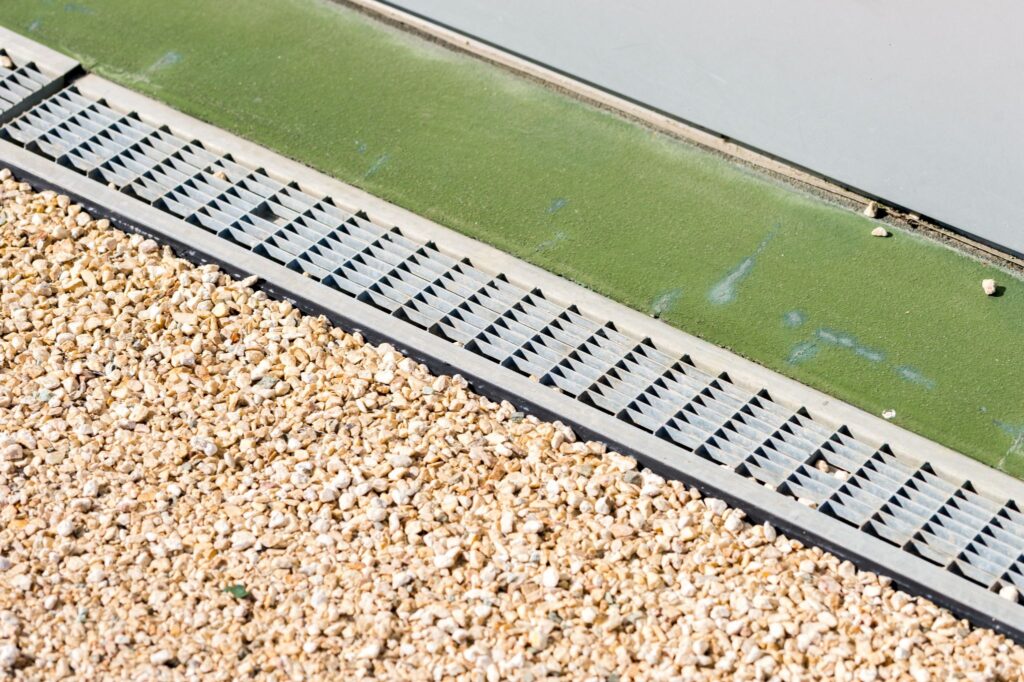
Maintaining clean drainage systems supports property value and overall building condition. This system reliability helps prevent visible damage that affects appearance. Buyers and tenants often prefer properties with well-maintained infrastructure. Reduced wear on roofing and drainage components extends their lifespan. This durability lowers the need for major replacements in the future. This investment approach improves long-term property appeal and performance.
Leaf Debris Impact on HVAC Systems
Leaf debris affects more than gutters by interfering with rooftop equipment and air systems. Accumulated debris can restrict airflow and introduce contaminants into HVAC units. This buildup reduces efficiency and increases operational strain over time. Leaf protection helps maintain cleaner rooftop environments that support system performance.
Airflow Blockage Around HVAC Units
Leaves and organic debris often collect around rooftop HVAC systems and intake vents. This accumulation restricts airflow and reduces system efficiency. Blocked airflow forces units to work harder to maintain indoor temperatures. Increased strain leads to higher energy consumption and operational costs. Leaf protection reduces debris spread across rooftop surfaces. This control supports steady airflow and consistent system performance.
Contaminants and Indoor Air Quality
Organic debris can break down and release particles that enter HVAC systems. This contamination may affect indoor air quality in commercial spaces. Poor air quality can impact occupant comfort and health over time. Maintenance teams must address these issues by adjusting cleaning and filtration. Leaf protection limits debris accumulation near intake areas. This reduction supports cleaner air circulation within the building.
Long-Term Equipment Wear and Efficiency
Debris exposure can accelerate wear on HVAC components and reduce system lifespan. This buildup may clog filters and damage sensitive equipment parts. Frequent repairs and replacements increase property owners’ operational expenses. Leaf protection helps minimize debris contact with rooftop systems. This preventive step supports better efficiency and reduces long-term maintenance costs. This approach helps extend the lifespan of critical building equipment.
Types of Leaf Protection Solutions
Leaf protection solutions vary based on design, material, and performance capabilities. These systems address different levels of debris exposure and structural complexity. Property owners can select options that match their specific building needs. Understanding available types helps guide practical system selection.
Gutter Guards and Mesh Screens
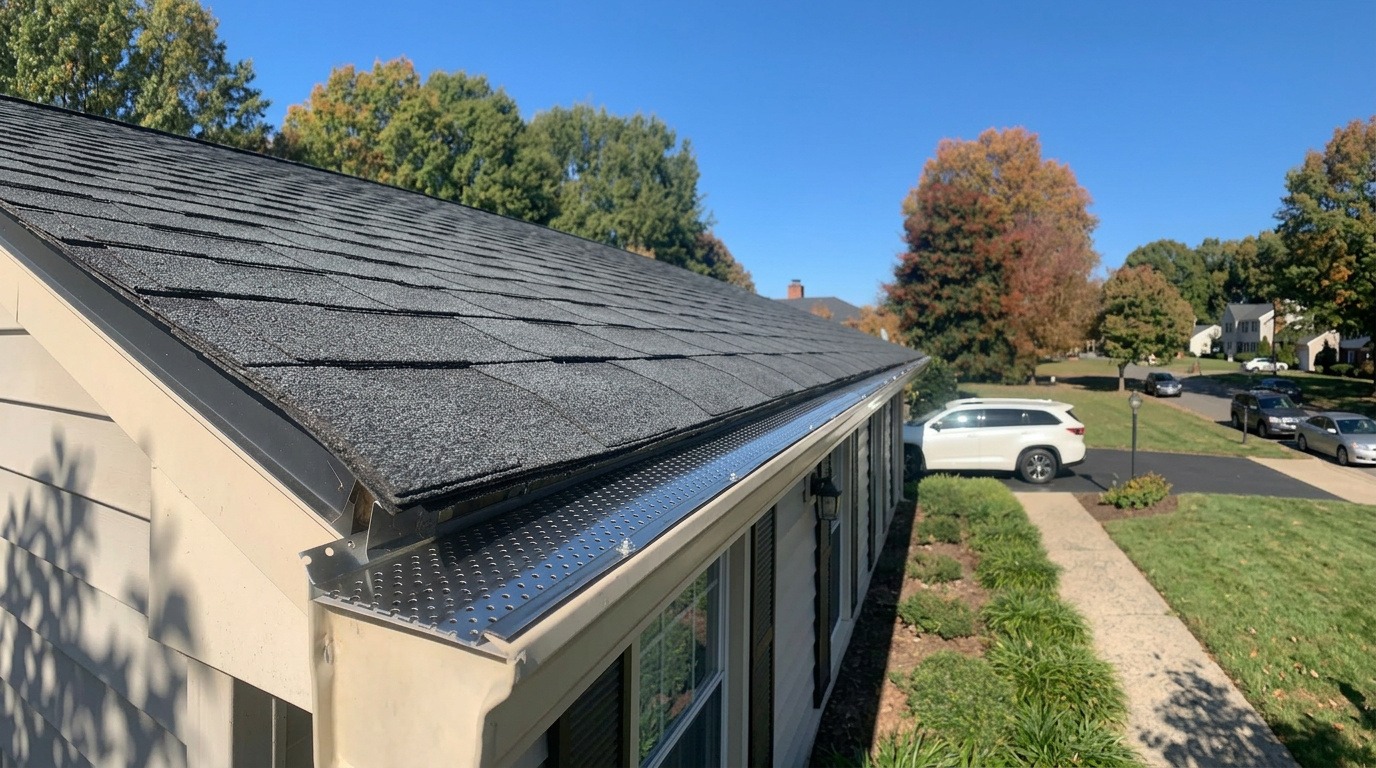
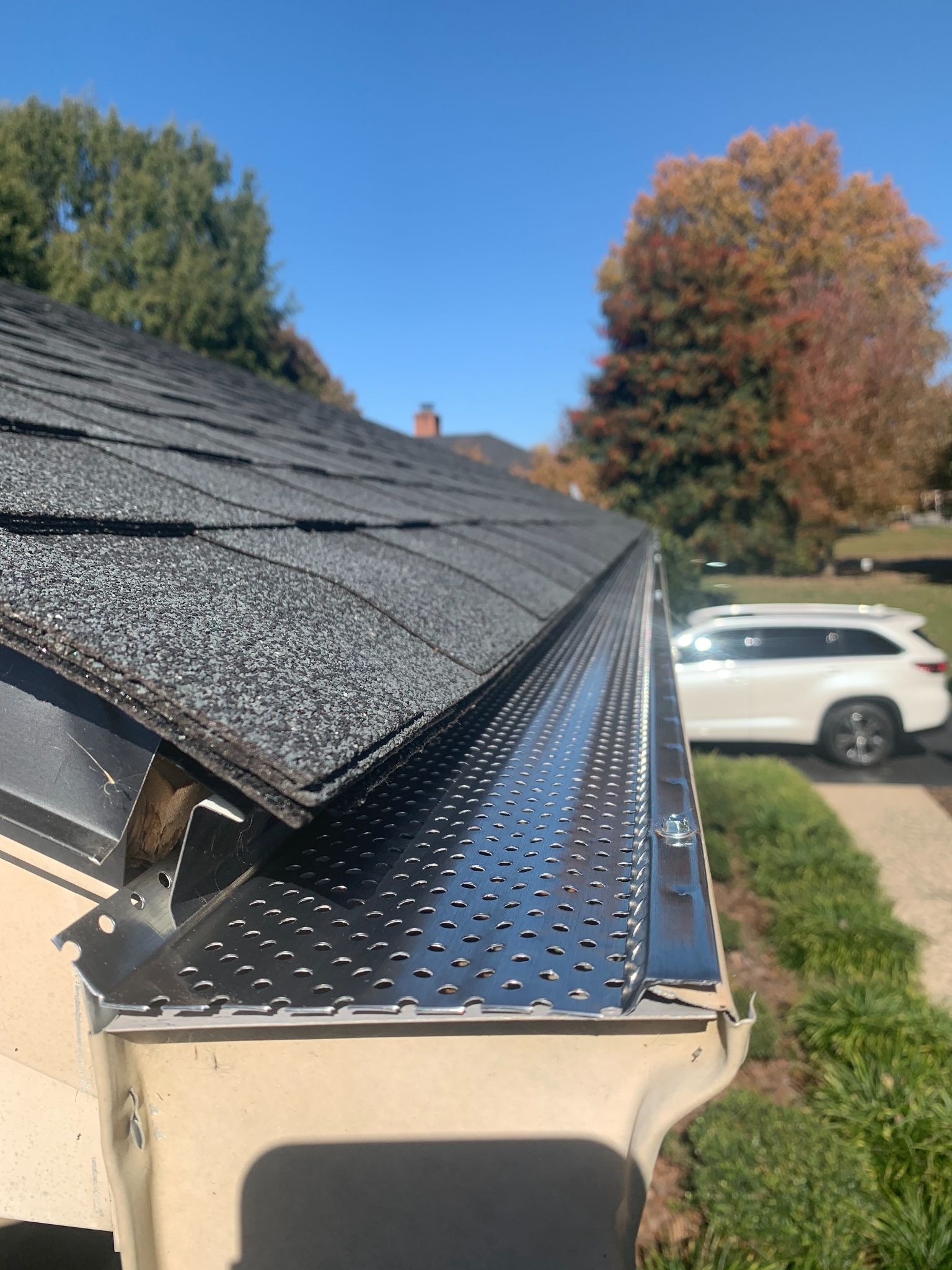
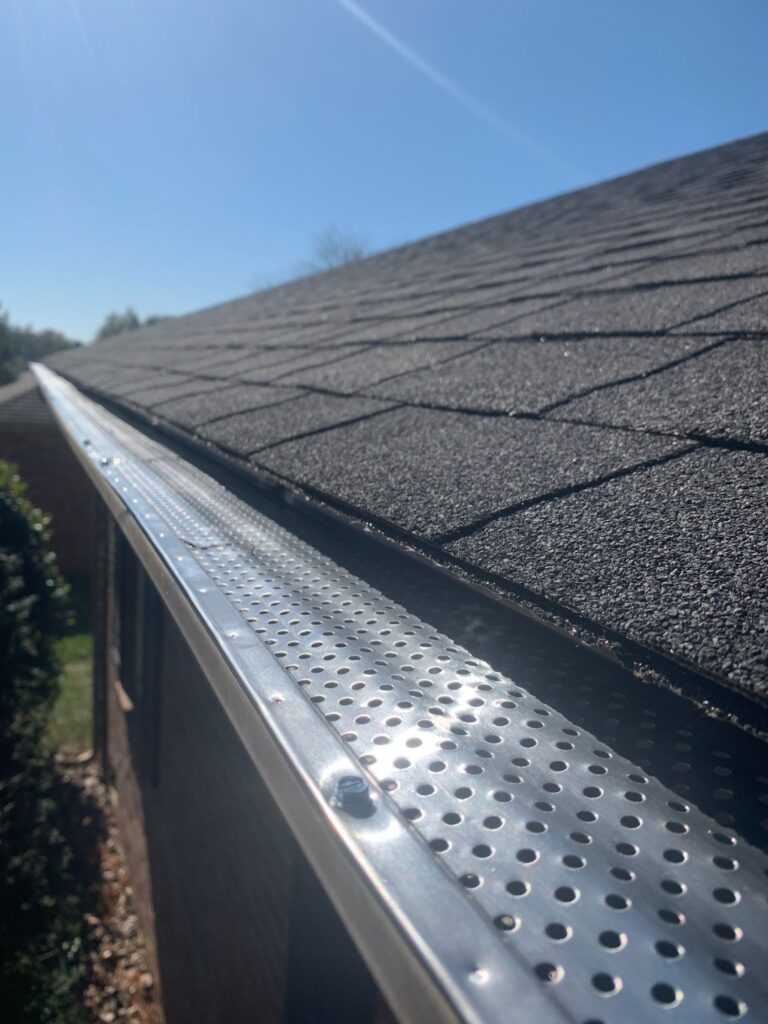
Gutter guards use mesh or screen materials to block leaves from entering drainage systems. This system type allows water to pass through small openings while stopping larger debris. Property owners often choose this option for its affordability and ease of installation. Mesh systems perform well in areas with moderate debris levels. Fine particles may still require occasional cleaning to maintain performance. This solution provides a balanced approach between cost and efficiency.
Surface Tension Gutter Covers
Surface tension covers use a curved design to guide water into gutters while shedding debris. This system structure directs leaves off the edge instead of allowing buildup. Property managers prefer this option in areas with dense foliage and heavy rainfall. Proper installation supports consistent performance during severe weather. This design also offers a cleaner exterior appearance for commercial buildings. This advanced system reduces maintenance needs more effectively than basic guards.
Custom Leaf Protection Systems
Custom leaf protection systems adapt to complex roof designs and large-scale properties. This system approach addresses areas where standard solutions may not fit properly. Multi-level buildings often require tailored configurations for full coverage. Professional assessment helps determine the best layout for effective drainage. This customization improves performance across unique architectural structures. This solution reduces the risk of overlooked problem areas.
Key Features in Leaf Protection Systems
Leaf protection systems require specific features to deliver reliable and long-lasting performance. These features determine how well the system handles debris and weather conditions. Property owners should evaluate these elements before making a decision. Careful selection supports better results and fewer complications.
Durable and Weather-Resistant Materials
Durable materials allow leaf protection systems to withstand rain, wind, and temperature changes. This material strength prevents bending, cracking, and corrosion over time. Systems built with strong materials maintain consistent performance throughout the year. Property owners benefit from fewer repairs and longer system lifespan. This durability reduces overall maintenance costs and improves reliability. This feature supports consistent drainage under demanding conditions.
System Compatibility and Fit
Proper alignment with existing gutters and roof structures affects overall performance. This compatibility prevents gaps that allow debris to enter the system. A secure fit also supports smooth water flow without obstruction. Professional evaluation helps match systems with building requirements. This alignment reduces installation issues and improves efficiency. This feature ensures reliable performance across different environments.
Easy Maintenance and Access Design
Accessible designs simplify inspection and occasional cleaning tasks. This design feature reduces the time and effort needed for routine maintenance. Some systems include removable panels for quick debris removal. Others use self-cleaning designs that limit buildup over time. This accessibility helps maintain consistent system performance. This feature supports manageable upkeep for property teams.
Liability Risks from Poor Drainage
Poor drainage creates legal and financial risks that extend beyond maintenance concerns. Property owners may face claims when water overflows and damages nearby structures or shared spaces. These risks increase when clogged systems cause unsafe conditions around walkways and entrances. Leaf protection helps reduce exposure by maintaining controlled water flow.
Property Damage and Legal Exposure
Water overflow from blocked gutters can damage adjacent properties and shared infrastructure. This issue may lead to disputes or claims from neighboring businesses or tenants. Courts often consider maintenance practices when evaluating liability in such cases. Property owners who neglect drainage systems may face higher legal costs and settlements. Leaf protection supports consistent water control, reducing the likelihood of overflow incidents. This preventive measure strengthens a property owner’s position in risk management.
Slip Hazards and Safety Compliance
Overflowing water can create wet surfaces, increasing the risk of slips and falls. This hazard often affects entryways, sidewalks, and loading zones around commercial properties. Safety regulations require property owners to maintain safe conditions for occupants and visitors. Failure to manage drainage properly may result in fines or liability claims. Leaf protection helps keep water from running into high-traffic areas. This system reduces safety risks and supports compliance with property standards.
Insurance Claims and Maintenance Records
Insurance providers often review maintenance history when processing damage claims. This review determines whether neglect contributed to the issue. Claims related to water damage may be denied if poor maintenance is evident. Leaf protection systems demonstrate proactive property management and risk reduction. This documentation supports stronger claims and fewer disputes with insurers. This approach helps protect financial stability during unexpected events.
Enhance Drainage With Leaf Protection Systems
Leaf protection improves drainage performance while reducing the risk of costly property damage. Clean, controlled water flow supports roofing systems, protects structural elements, and keeps operations running without disruption. Professional gutter services provide the expertise needed to install and maintain these systems correctly for long-term reliability. Partnering with experienced providers helps property owners maintain efficient drainage while avoiding preventable issues that affect performance and cost.
Get a clearer view of smarter property care. Visit the Homestyle Home Improvements blog for practical insights on leaf protection and beyond.