
Your home’s siding does much more than improve its appearance. It protects the structure from weather, moisture, and everyday wear while helping maintain indoor comfort. As materials age, they become less effective and may allow small problems to develop into costly repairs. Replacing worn siding strengthens your home’s protection while improving energy efficiency, curb appeal, and long-term value. Knowing why this upgrade is worthwhile helps you make a smarter investment for your property.
What Does Siding Replacement Include?
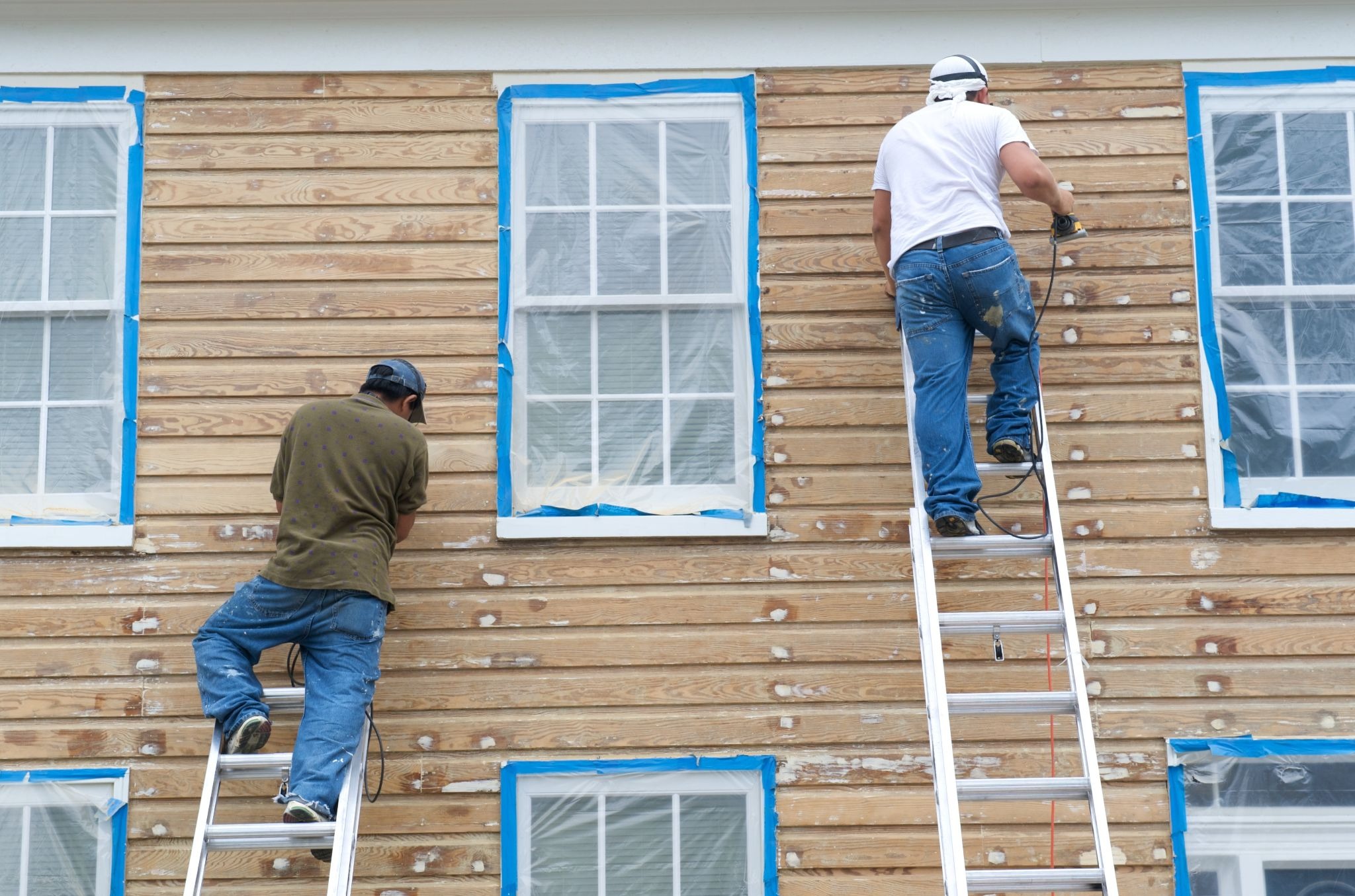
Siding replacement involves removing old or damaged exterior cladding and installing a new system that protects the home from weather and moisture. Before installation begins, contractors inspect the sheathing, weather barrier, flashing, and insulation for hidden damage that should be repaired first. They also replace deteriorated materials caused by moisture, insects, or normal aging to create a solid foundation for the new siding. Many projects include updated trim, soffits, and fascia to improve both appearance and weather resistance. Homeowners can choose from different siding materials based on their budget and maintenance preferences. Because the project upgrades both the visible exterior and the protective layers underneath, it provides benefits that extend well beyond a fresh new look.
Reasons to Invest in New Home Siding
Replacing your home’s exterior is about more than fixing worn materials. It improves protection, comfort, and appearance while helping reduce future maintenance. Understanding the advantages makes it easier to see why many homeowners choose this upgrade.
Fresh Exterior Updates Increase Property Value
Homeowners often compare remodeling projects before deciding where their money will have the greatest impact. Replacing old siding improves both appearance and performance, making it one of the few upgrades that delivers multiple benefits at once. That combination helps explain why exterior renovations continue to attract homeowners planning for both present enjoyment and future value.
Better First Impressions Attract More Buyers
The exterior creates the first impression long before buyers walk through the front door. Clean, modern siding immediately suggests that the property has been cared for over the years. In contrast, cracked, faded, or warped panels may lead buyers to wonder what other maintenance has been overlooked. Those concerns can influence their opinion before they even see the interior. A fresh exterior helps create confidence from the beginning and encourages buyers to view the rest of the home more positively. That stronger first impression can also support a higher perceived value.
Stronger Curb Appeal Enhances Home Value
Homes with updated exteriors naturally attract more attention because they look clean, inviting, and well-maintained. Modern siding comes in many colors, textures, and profiles that complement different architectural styles. Homeowners can choose designs that refresh the property’s appearance without changing its overall character. Coordinated trim and accent features also create a polished finish that looks intentional instead of pieced together. These improvements continue enhancing the home’s appearance every day after the project is complete. Attractive curb appeal also brings lasting satisfaction to homeowners who take pride in their property.
Greater Buyer Confidence Supports Resale
Many buyers prefer homes that require fewer immediate repairs after closing. A recently updated exterior reduces concerns about maintenance expenses during the first several years of ownership. That advantage can make a property more competitive when similar homes are available nearby. It may also reduce requests for repair credits during negotiations after inspections. While no renovation guarantees a specific return, this exterior upgrade often strengthens the home’s overall market appeal. That added confidence can become valuable whenever you decide to sell.
Better Exterior Protection Prevents Costly Damage
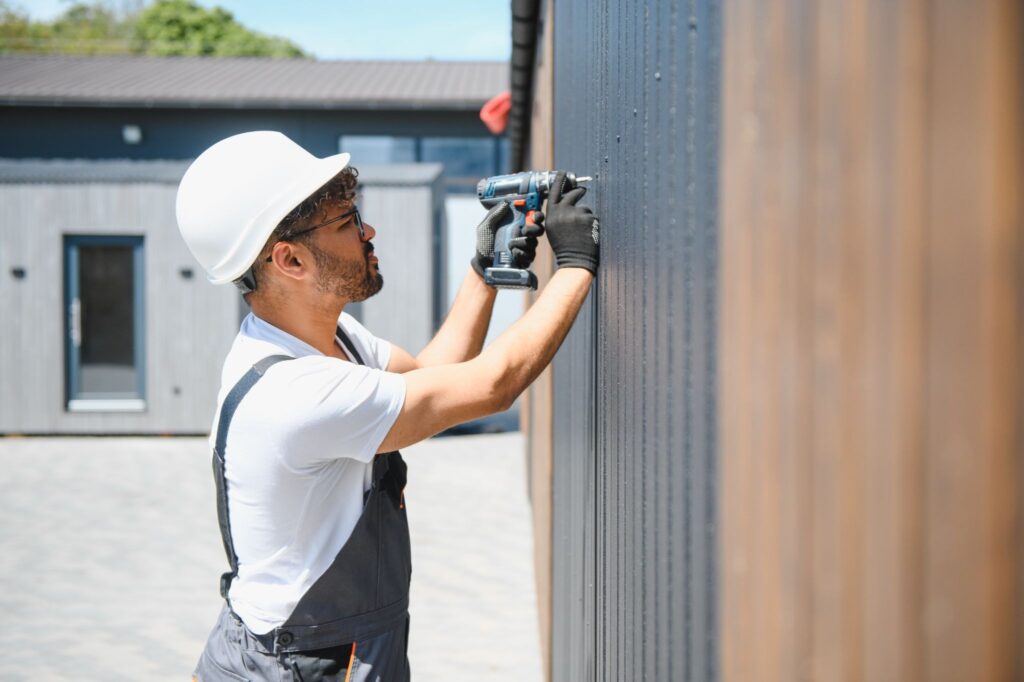
Your home’s exterior works every day against rain, wind, heat, cold, and changing weather conditions. Older materials gradually weaken under constant exposure, allowing small problems to grow unnoticed. Replacing worn exterior cladding restores the protective barrier that keeps the structure beneath it safe.
Hidden Moisture Problems Stay Under Control
Water usually enters through tiny cracks, loose joints, or damaged panels that seem harmless at first. Once moisture reaches the wall system, it can slowly damage the wood framing and sheathing behind the siding. Mold may also begin growing in areas where trapped moisture cannot dry properly. Those hidden problems often remain unnoticed until repairs become much more expensive. Installing new exterior materials creates a dependable barrier that helps keep moisture where it belongs. Protecting the home’s structure early often prevents far greater repair costs later.
Early Repairs Protect the Wall Structure
Removing old exterior materials allows contractors to inspect areas that homeowners rarely see. They can identify rotted wood, damaged flashing, deteriorated house wrap, or signs of insect activity before installing the replacement system. Fixing those problems during the project helps restore the building envelope’s integrity. Addressing hidden damage immediately also prevents it from spreading deeper into the structure. Instead of covering existing issues, a complete replacement allows homeowners to solve them properly. That added protection contributes to the home’s long-term durability.
Better Energy Efficiency Reduces Monthly Costs
Comfort inside the home often depends on the condition of the exterior walls. Older siding and damaged wall systems can allow unwanted air movement that makes heating and cooling less efficient. Replacing aging materials helps create a tighter exterior that supports lower energy use throughout the year.
Improved Insulation Keeps Rooms Comfortable
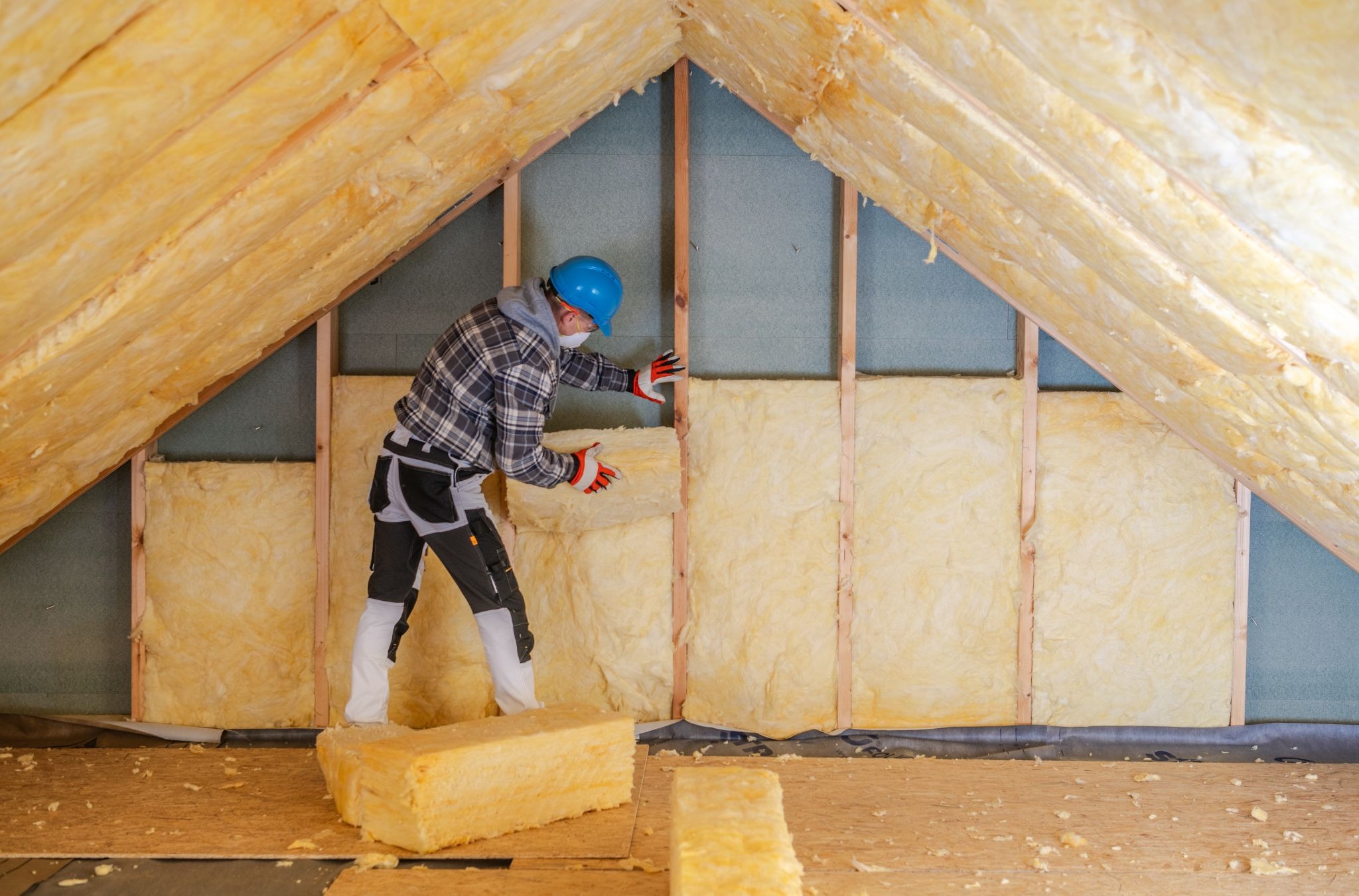
Many replacement projects include improvements to wall insulation or insulated siding systems. Those upgrades help reduce heat transfer through exterior walls during both hot and cold weather. Indoor temperatures remain more consistent because outside conditions have less influence on the living space. Homeowners often notice fewer drafts around exterior walls and nearby windows. Heating and cooling equipment can operate more efficiently without working as hard to maintain comfortable temperatures. That improved comfort becomes noticeable throughout every season.
Sealed Air Leaks Improve Efficiency
Replacing exterior cladding creates access to areas where hidden air leaks often develop over time. Contractors can seal gaps around windows, doors, utility penetrations, and framing before installing the new materials. Closing those openings reduces unnecessary energy loss and helps stabilize indoor temperatures. Better air sealing also improves the overall performance of the home’s insulation system. While utility savings vary between homes, reducing air leakage often contributes to lower monthly energy costs. Those improvements continue to provide value long after installation is finished.
Lower Maintenance Saves Time and Money
Many homeowners replace aging siding because they want to spend less time maintaining their home’s exterior. Older materials often require frequent repairs, repainting, or cleaning as they continue to age. New siding reduces those ongoing demands while helping the home look its best year-round.
Less Painting Means Less Work
Traditional wood siding often needs scraping, sanding, and repainting every several years to stay protected. Skipping that maintenance can leave the surface vulnerable to moisture and sun damage. Many modern siding materials come with factory-applied finishes that retain their color much longer. They resist fading better than older products and rarely require repainting during their expected lifespan. Homeowners save both time and maintenance costs while enjoying a consistently attractive exterior. That convenience becomes one of the most appreciated benefits after the project is complete.
Easier Cleaning Keeps the Exterior Attractive
Dust, pollen, mildew, and everyday dirt naturally collect on exterior surfaces over time. Modern siding usually requires only mild soap, water, and occasional rinsing to restore its appearance. Homeowners no longer need extensive cleaning methods to keep the exterior looking presentable. Many products also resist stains better than older materials. Simple seasonal maintenance often keeps the home looking fresh throughout the year. That reduced workload allows homeowners to spend more time enjoying their property instead of maintaining it.
Early Investment Helps Avoid Bigger Expenses
Replacing aging siding represents a meaningful investment, but delaying the project can become even more expensive. Minor exterior problems rarely remain isolated because moisture and weather continue affecting the surrounding structure. Addressing those concerns early often helps homeowners avoid much larger repair bills later.
Delaying Repairs Can Increase Costs
Cracked or loose siding allows moisture to reach the wall system behind it. Over time, that exposure can damage insulation, framing, sheathing, and interior finishes. Repairing structural damage usually costs much more than replacing deteriorated exterior materials before problems spread. Waiting also increases the chance that mold or insect activity will develop unnoticed. Acting sooner helps limit the scope of future repairs. Early replacement often protects both the home and the homeowner’s budget.
Lower Utility Bills Create Ongoing Savings
Improved insulation and reduced air leakage can help lower monthly heating and cooling expenses. Although savings vary between homes, many homeowners notice more consistent indoor temperatures after replacing older exterior systems. Heating and cooling equipment may also experience less strain because conditioned air remains inside longer. Lower energy use contributes to ongoing savings throughout the year. Those financial benefits continue alongside improved comfort and protection. Over time, reduced operating costs strengthen the overall value of the investment.
Common Questions About Siding Replacement
Many homeowners have similar questions before deciding whether to replace their siding. Understanding the answers makes it easier to evaluate the benefits and choose the right time for the project. These common questions address concerns homeowners frequently have before investing in a new exterior.
How Do I Know My Home Needs New Siding?
Visible cracks, loose panels, fading, warping, and recurring repairs often indicate that siding has reached the end of its useful life. Rising energy bills or signs of moisture inside exterior walls may also point to hidden problems behind the cladding. Mold, peeling paint inside the home, or soft areas around exterior walls also deserve professional attention. A contractor can inspect the siding and determine whether repairs or complete replacement make more sense. Addressing these warning signs early usually prevents more extensive structural damage. Professional inspections provide homeowners with a clearer understanding of their home’s condition.
How Long Does New Siding Last?
The lifespan depends on the material, installation quality, climate, and ongoing maintenance. Vinyl siding commonly lasts several decades with proper care, while fiber cement and engineered wood can also provide long service lives when installed correctly. Routine cleaning and periodic inspections help maximize performance regardless of the material selected. Professional installation plays a major role in achieving the expected lifespan. Manufacturer warranties also provide helpful guidance regarding product durability. Choosing quality materials from the beginning often results in fewer problems later.
How Long Does a Siding Replacement Project Take?
Most residential siding replacement projects take several days to a few weeks, depending on the home’s size, design, weather conditions, and any repairs needed beneath the existing siding. Homes with hidden structural damage or extensive trim work may require additional time before installation continues. Experienced siding contractors provide realistic timelines after evaluating the property. Good communication throughout the project helps homeowners understand each stage of the work. Careful installation should always take priority over finishing quickly. A properly completed project delivers benefits that last for many years.
Invest in Siding Replacement for Lasting Value
Replacing aging siding is one of the smartest ways to protect your home while improving its appearance and performance. Acting before visible damage worsens can help prevent costly structural repairs and reduce future maintenance demands. A professionally installed siding replacement delivers long-term benefits that extend beyond curb appeal, including greater comfort, energy efficiency, and resale potential. Investing now means your home will continue providing dependable protection and lasting value for years to come.
Every exterior project starts with the right information. Visit the Homestyle Home Improvements blog for practical tips, expert guidance, and inspiration for your next home improvement project.