

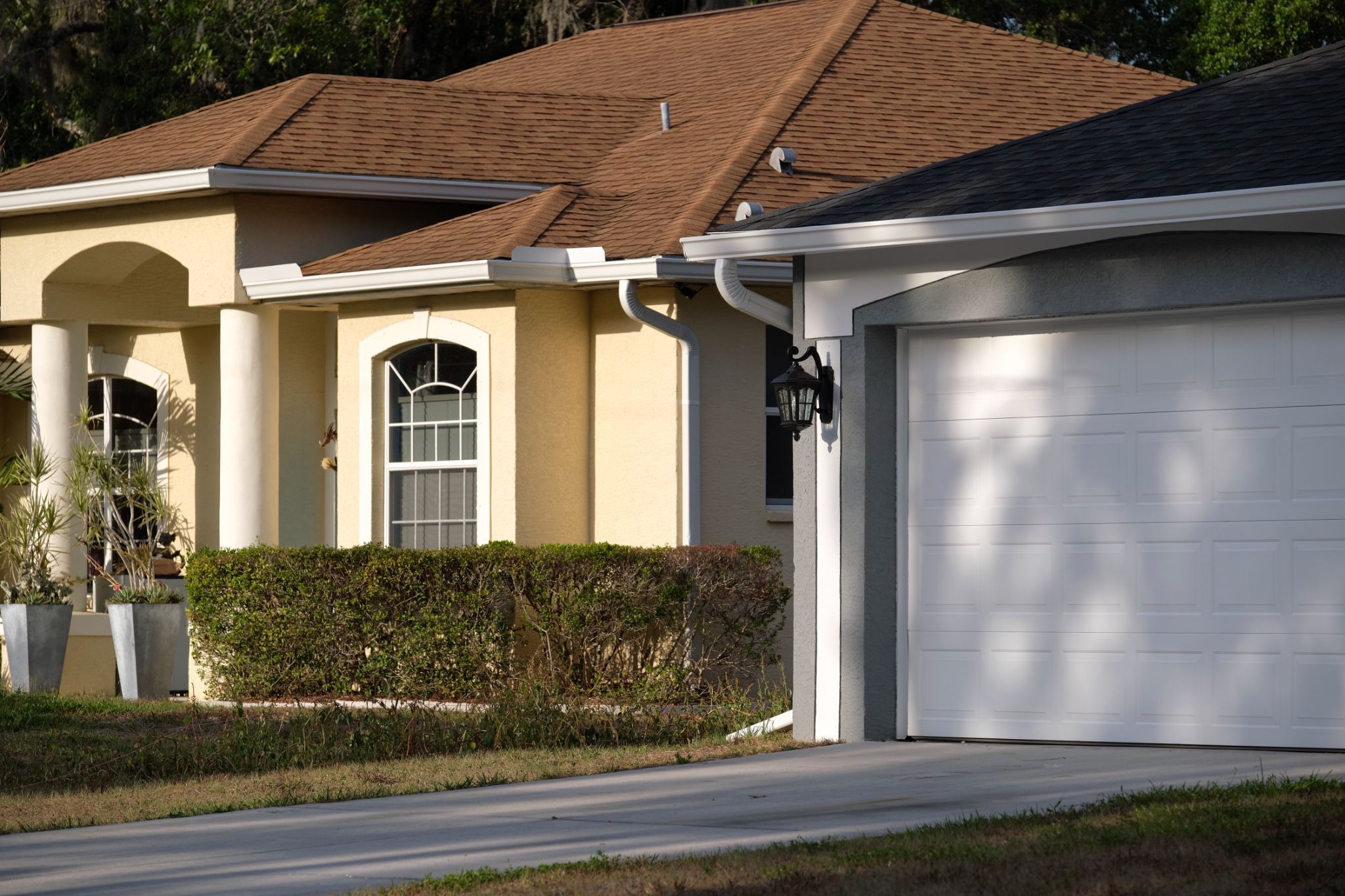

A garage door affects more than curb appeal. It influences daily convenience, home security, energy efficiency, and property value. When an aging door starts showing wear, homeowners often wonder how much a replacement will cost and what factors drive the final price. Costs can vary widely because materials, insulation, design choices, and installation requirements differ from one home to another. Understanding the pricing landscape helps homeowners make informed decisions and avoid unexpected expenses during the replacement process.
Understanding Replacement Garage Door Costs
Many homeowners begin their search expecting a simple price range. However, garage door replacement costs depend on several variables that affect both materials and labor. A standard project may cost far less than a custom installation with premium features. Understanding these pricing elements creates a clearer picture of what to expect before requesting estimates.
Average Price Range for a New Garage Door
Many homeowners begin their search expecting a simple price range. In most cases, a replacement garage door costs between $900 and $4,500, including professional installation. Basic steel garage doors often fall between $900 and $1,500, while insulated and upgraded models typically range from $1,500 to $3,500. Premium wood, carriage house, and custom garage doors can cost $3,000 to $10,000 or more, depending on design and materials. Understanding these general price ranges provides a helpful starting point before comparing specific products and installation quotes.
Why Prices Vary Between Homes
No two garage door replacement projects are exactly alike. Home size, garage opening dimensions, and structural conditions can influence costs. Some installations require additional framing or hardware upgrades. Older homes sometimes present challenges that increase labor requirements. Custom sizing may also add to material expenses. These factors explain why neighbors with similar homes may receive different estimates.
Garage Door Replacement Cost Breakdown
Many homeowners focus on the price of the garage door itself. However, the total project cost includes several components beyond the door. The price ranges discussed below are general industry estimates and may vary across contractors, locations, and project requirements. Understanding these costs helps homeowners compare estimates more accurately.
Garage Door Cost
The garage door typically represents the largest portion of the replacement budget. Basic garage doors generally cost between $400 and $1,500. Mid-range insulated garage doors typically cost $1,000 to $2,500. Premium models with enhanced insulation and design features can cost $2,500 to $5,000 or more. Custom garage doors may exceed $10,000 depending on materials and craftsmanship.
Installation Labor Costs
Professional garage door installation generally costs between $300 and $1,200. Standard installations usually fall on the lower end of the range. Larger doors and custom projects often require additional labor. Structural modifications can further increase installation costs. Professional installation also includes balancing, safety testing, and proper hardware setup.
Garage Door Opener Costs
Many homeowners replace the garage door opener during the same project. A new garage door opener typically costs between $250 and $800 installed. Smart garage door systems with Wi-Fi connectivity and mobile app controls usually cost more. Battery backup features can also increase the price. Upgrading the opener often improves convenience and overall system performance.
Spring and Hardware Replacement Costs
Worn garage door hardware can affect safety and reliability. Torsion spring replacement generally costs between $150 and $500. New rollers, hinges, tracks, and hardware components may add another $100 to $600. Replacing aging parts during installation often prevents future repair expenses. Many contractors recommend upgrading worn hardware when installing a new garage door.
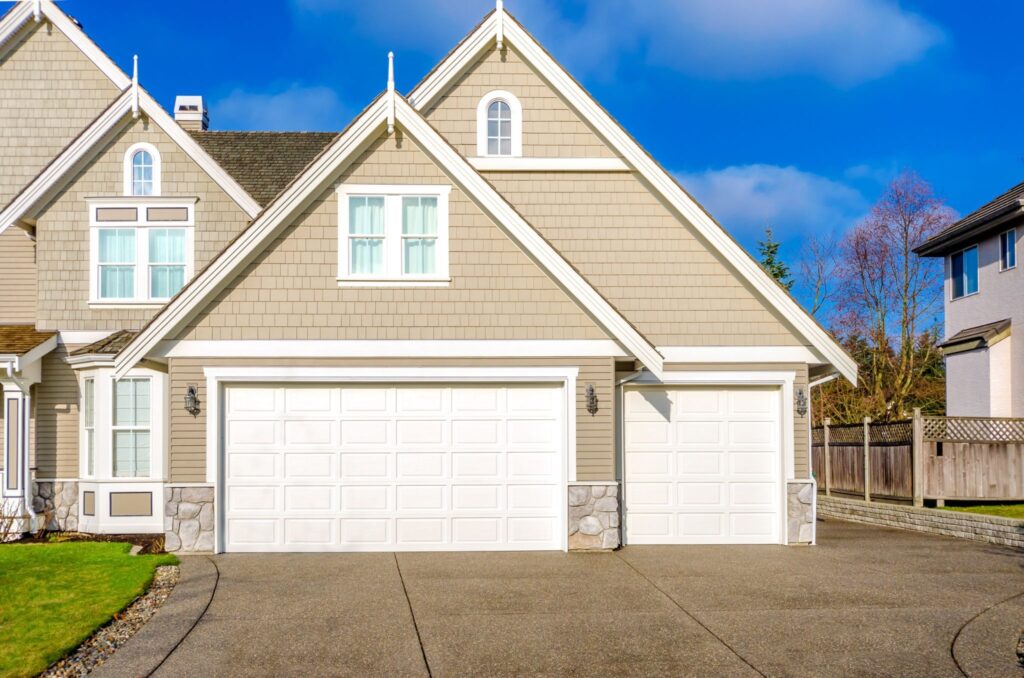
Factors Influencing Garage Door Replacement Pricing
Several key factors determine how much homeowners ultimately spend. Material selection remains one of the largest cost drivers. Design features and insulation levels also affect pricing. Understanding these variables helps homeowners compare options more effectively and select a door that aligns with both needs and budget.
Material Choices and Their Cost Impact
Garage doors come in several material options. Steel remains one of the most popular choices because it balances affordability and durability. Wood offers a classic appearance but generally costs more and requires ongoing maintenance. Aluminum provides a lightweight solution that resists rust. Fiberglass and composite materials offer additional design flexibility. Each material carries different price points, maintenance requirements, and life expectancy considerations.
Insulation and Energy Efficiency Features
Insulated garage doors often cost more initially. However, they can improve temperature control and reduce outside noise. Homes with attached garages may benefit most from insulated models. Different insulation ratings affect overall performance and pricing. Higher-rated products typically command higher costs. Homeowners should weigh long-term comfort and energy benefits against upfront expenses.
Style and Design Upgrades
Garage door styles range from simple raised-panel designs to custom carriage-house models. Decorative windows often increase the purchase price. Unique finishes and specialty hardware can further raise costs. Custom colors may require additional manufacturing steps. Design upgrades allow homeowners to match architectural styles while creating a more polished exterior appearance.
Garage Door Replacement Cost by Material
Material selection has a major influence on garage door replacement prices. Some materials focus on affordability and durability, while others emphasize appearance and customization. Maintenance requirements also vary between materials. The price ranges below are provided as general references and may vary based on product specifications, installation requirements, and contractor pricing.
Steel Garage Doors
Steel garage doors remain one of the most affordable and popular replacement options. Most steel garage doors cost between $600 and $2,500 installed. Basic non-insulated models sit at the lower end of the range. Insulated steel garage doors cost more but offer improved energy efficiency and noise reduction. Their durability and low maintenance requirements make them a common choice for homeowners.
Wood Garage Doors
Wood garage doors provide a classic appearance that many homeowners prefer. Most wood garage doors cost between $1,500 and $6,000 installed. Premium wood species and handcrafted designs can push costs even higher. Wood requires regular maintenance to protect against weather exposure. Many homeowners choose wood for its distinctive curb appeal and natural character.
Aluminum Garage Doors
Aluminum garage doors offer a lightweight and modern alternative. Most aluminum garage doors range from $800 to $3,500 installed. Contemporary designs with glass panels often fall toward the higher end of the range. Aluminum resists rust and performs well in humid environments. However, it may dent more easily than steel under heavy impact.
Fiberglass Garage Doors
Fiberglass garage doors typically cost between $800 and $2,500 installed. They resist moisture and require relatively little maintenance. Many fiberglass models mimic the appearance of natural wood. Homeowners often choose fiberglass for its balance of appearance and durability. Costs vary based on insulation levels and design features.
Composite Garage Doors
Composite garage doors generally range from $1,200 to $4,000 installed. These doors combine wood fibers with synthetic materials for added durability. Composite materials resist warping, rot, and insect damage. Many homeowners appreciate the wood-like appearance without the same maintenance demands. Their longer lifespan often helps justify the higher initial investment.
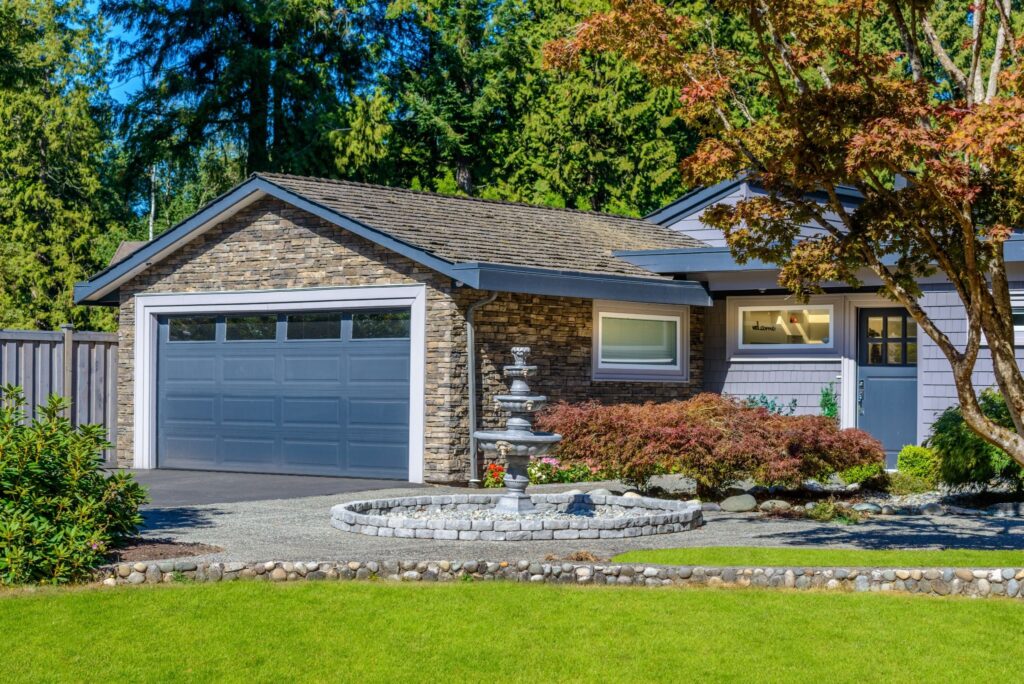
Single-Car vs Double-Car Garage Door Costs
Garage size significantly influences replacement pricing. Larger doors require more materials and stronger support systems. Installation may also take longer due to the increased size and weight. Understanding these differences helps homeowners budget more accurately.
Cost Considerations for Single-Car Garage Doors
Single-car garage doors generally represent the most affordable replacement option. They use fewer materials and often require less labor during installation. Many homeowners choose standard steel models for practical performance and cost control. Basic insulated versions remain reasonably priced. Custom features can still increase costs, but the overall investment typically remains lower than larger alternatives.
Cost Differences for Double-Car Garage Doors
Double-car garage doors cover a larger opening and require additional structural support. The increased size naturally raises material costs. Heavier doors may require stronger tracks and hardware. Installation crews often spend more time safely handling larger units. These factors contribute to higher replacement costs than those for single-car doors.
Labor Costs and Professional Door Installation
Professional installation contributes significantly to the overall cost of a garage door replacement. Proper installation supports safe operation and long-term reliability. Attempting a complex installation without experience can create safety risks. Understanding labor-related costs helps homeowners evaluate estimates more effectively.
What Professional Installation Includes
Installation services typically involve removing the old door and preparing the opening. Technicians install tracks, springs, rollers, and hardware components. They also balance the door and verify proper operation. Safety inspections form an important part of the process. Many installers include cleanup and disposal services within their pricing.
Factors That Affect Labor Charges
Labor costs vary according to project complexity. Standard installations generally require less time and fewer adjustments. Custom doors often increase labor requirements. Structural repairs can add unexpected expenses. Regional market conditions also influence labor rates. Homeowners should request detailed estimates that clearly outline installation services.
Additional Replacement Costs Homeowners Should Expect
Many homeowners focus only on the door itself when planning a budget. However, several related expenses may affect the final project cost. Understanding these potential additions reduces surprises later. A comprehensive budget creates a more accurate financial picture.
Garage Door Opener Replacement
An older opener may struggle to operate a heavier new garage door. Some homeowners choose to replace the opener during the same project. Newer systems often include quieter operation and smart technology features. Battery backup systems may provide added convenience during power outages. Combining both upgrades can improve overall performance and reliability.
Hardware and Spring Upgrades
Garage door springs experience significant wear over time. Worn springs may require replacement during installation. Tracks, rollers, and hinges can also need updating. Upgraded hardware often improves operational smoothness. Replacing aging components helps support the lifespan of the new garage door system.
Disposal and Removal Fees
Removing an old garage door creates additional labor and disposal requirements. Some installation companies include this service in their pricing. Others charge separate removal fees. Homeowners should clarify these costs before signing a contract. Understanding disposal charges prevents misunderstandings during the project.
Custom Garage Doors and Premium Pricing
Some homeowners prioritize design and personalization over standard options. Custom garage doors offer greater flexibility in appearance and construction. These products typically involve higher manufacturing costs. Understanding premium pricing helps homeowners decide if customization aligns with their goals.
Features That Increase Custom Door Costs
Custom dimensions often require specialized manufacturing processes. Unique materials and handcrafted details can further increase expenses. Decorative glass inserts add visual appeal while raising costs. Specialty finishes may involve additional production steps. Each customization contributes to a more distinctive appearance but increases the overall investment.
Long-Term Value of Custom Garage Doors
A custom garage door can create a strong visual impact. It may enhance curb appeal and support property value. High-quality materials often provide longer service life. Many homeowners view customization as both a functional and aesthetic investment. The added cost may deliver value through appearance, durability, and homeowner satisfaction.
Get More Value From Your Garage Door Replacement
A garage door replacement offers more than a fresh appearance. The right investment can improve daily convenience, reduce maintenance concerns, and support your home’s long-term value. Carefully comparing options and discussing your needs with experienced garage door installers can help you identify solutions that fit both your budget and goals. As costs and product choices continue to change, now is a good time to evaluate your options and choose a garage door that delivers lasting performance.
The best home upgrades start with the right information. Explore the Homestyle Home Improvements blog for helpful resources, industry insights, and homeowner-focused guidance designed to support smarter decisions.