
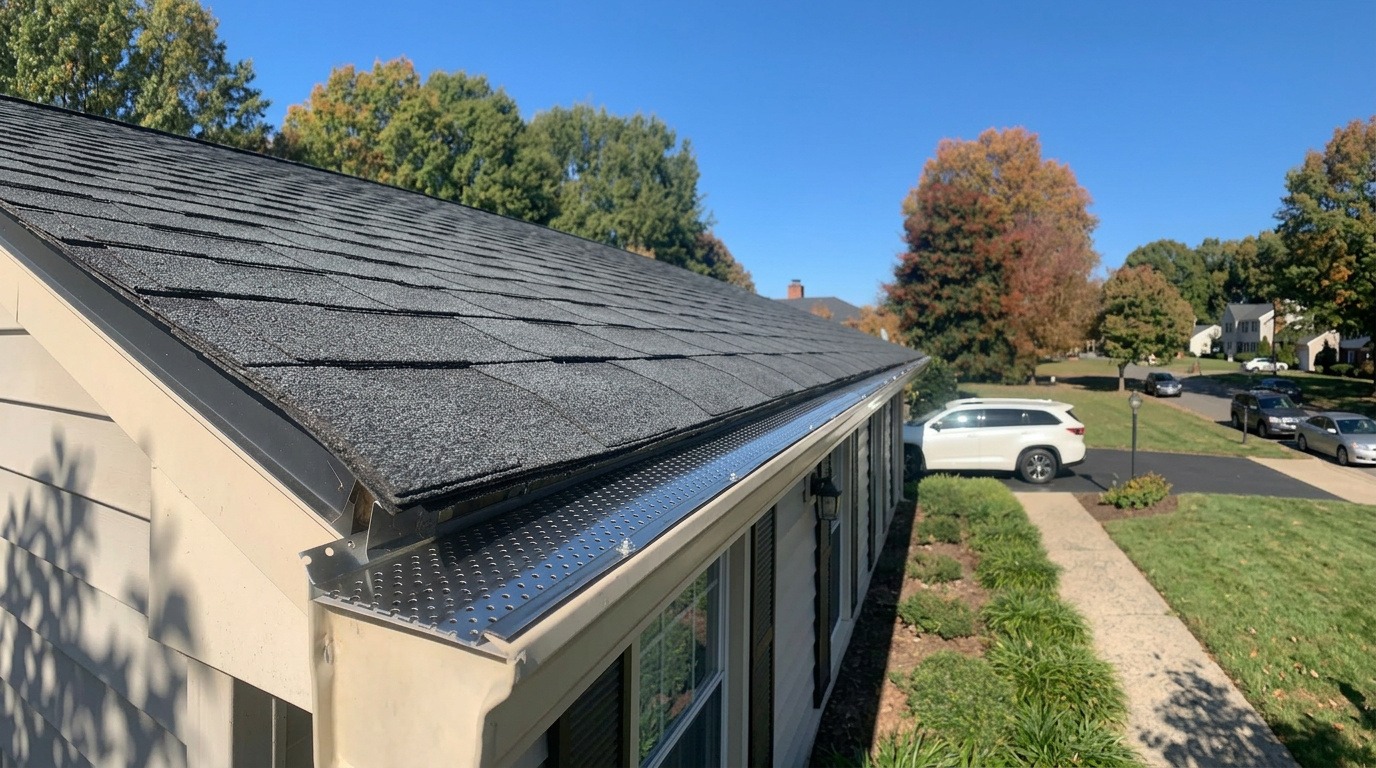
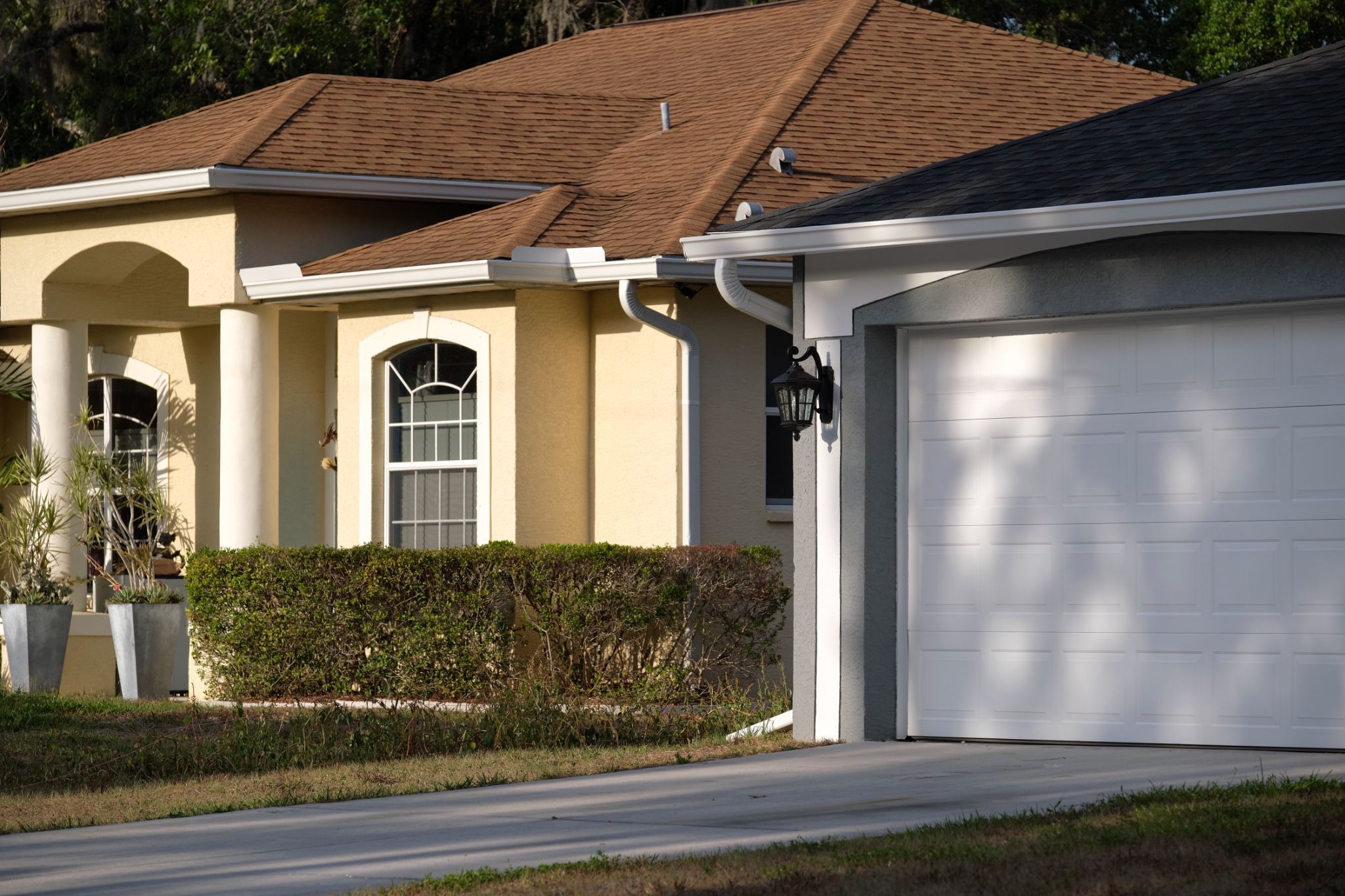

Few home repairs feel as urgent as a failing roof. A small leak can quickly turn into water damage, mold growth, and costly structural problems. At the same time, roof replacement is a major investment, so homeowners want to know what to expect before committing to the project. The challenge is that no two roofs are exactly alike, and pricing can vary significantly from one home to another. Understanding what affects the cost of a new roof can help you plan, compare estimates with confidence, and make informed decisions about your property.
How Much Does a Roof Replacement Cost?
Most homeowners spend between $5,000 and $20,000 on a roof replacement, although some projects fall outside that range. The final cost depends on factors such as roof size, material selection, labor requirements, and the condition of the existing roof. Premium roofing materials and complex roof designs usually increase the overall investment. While average figures provide a useful starting point, a professional roof inspection remains the best way to determine an accurate price.
Average Roofing Costs by Material
The roofing material you choose has one of the greatest impacts on the total project cost. Asphalt shingles often cost between $5,000 and $15,000 for many residential roofing projects. Metal roofing typically ranges from $10,000 to $30,000 or more, depending on the system selected. Tile roofs typically range from $15,000 to $40,000, while slate roofs can exceed $50,000 for larger homes. These figures vary based on roof size and installation requirements. A roofing contractor can explain which materials fit both your budget and long-term goals.
Average Cost Per Square Foot
Many homeowners compare roofing projects using cost per square foot. Roof replacement costs often range from approximately $4 to $15 per square foot. Asphalt shingles generally sit at the lower end of the range, while premium materials cost more. Labor requirements and roof complexity can also influence pricing beyond square footage alone. Steep slopes, intricate layouts, and difficult access often increase costs. Contractors use detailed measurements to develop more precise estimates for each property.
What Factors Affect Roof Replacement Costs?
Once homeowners understand average price ranges, the next question is why estimates differ so much. Roofing projects involve many variables that influence material needs, labor hours, and installation complexity. Some factors are easy to identify, while others only become clear during the inspection process. Understanding these elements helps homeowners evaluate estimates more effectively.
Roofing Materials
Roofing materials vary widely in both cost and lifespan. Asphalt shingles remain popular because they offer a balance between affordability and durability. Metal roofing typically costs more upfront but may last significantly longer. Tile and slate roofing provide distinctive appearances and exceptional longevity, though they require larger investments. Some materials also require specialized installation techniques, which increase labor costs. Comparing both short-term and long-term value often leads to better decisions.
Roof Size
A larger roof naturally requires more materials and labor. Roofing contractors typically measure roofs in squares rather than simple square footage. More surface area means additional shingles, underlayment, flashing, and fasteners. Larger roofs also generate more debris during removal and installation. Even modest increases in roof size can noticeably affect the final estimate. Accurate measurements are essential for realistic budgeting.
What Else Can Increase Roofing Expenses?
The roof itself is only part of the equation when calculating replacement costs. Additional work may become necessary once the old roofing materials are removed. Some of these expenses are difficult to predict without a thorough inspection. Planning for potential extras can help prevent budget surprises later.
Roof Removal and Disposal Costs
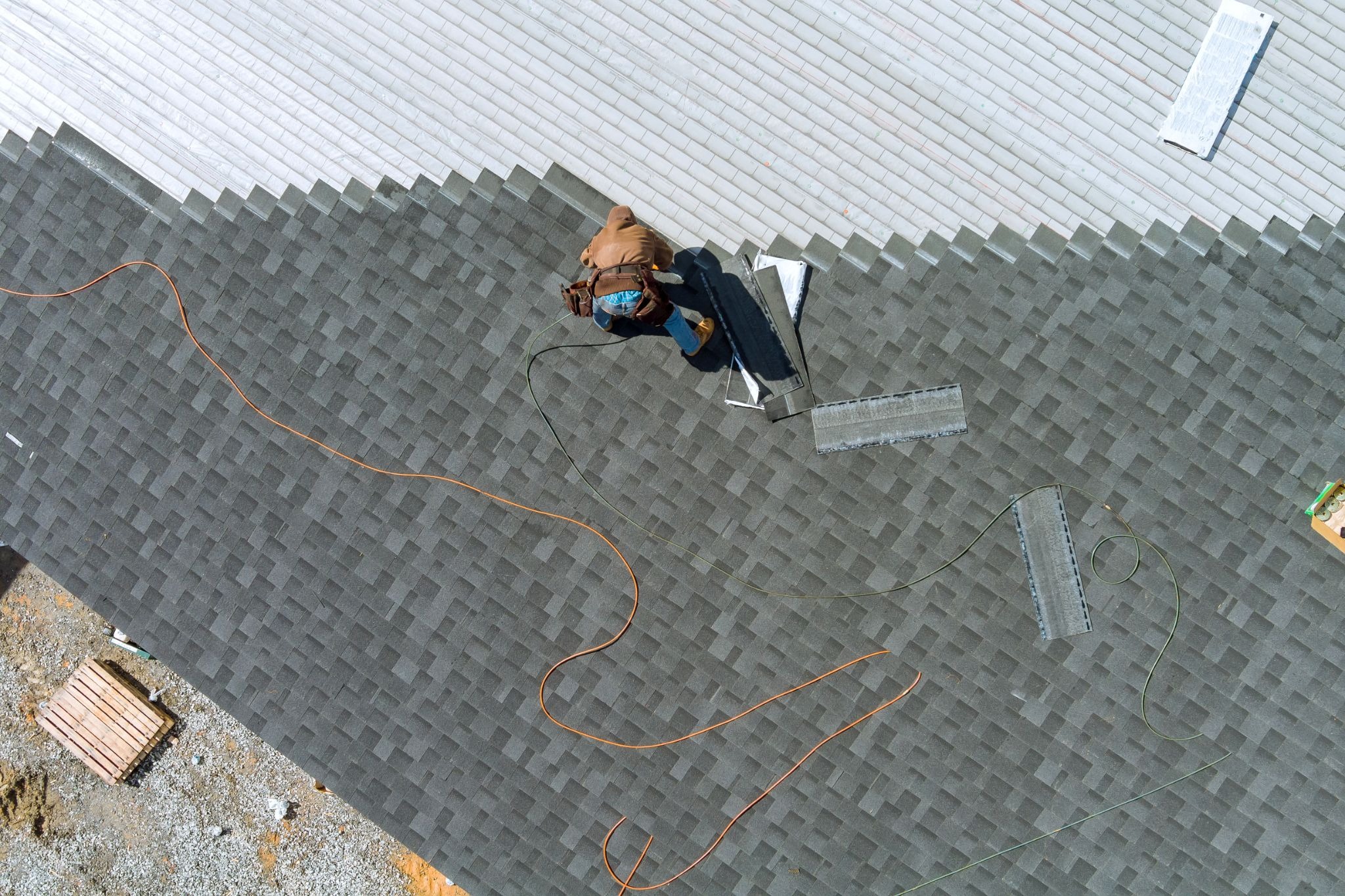
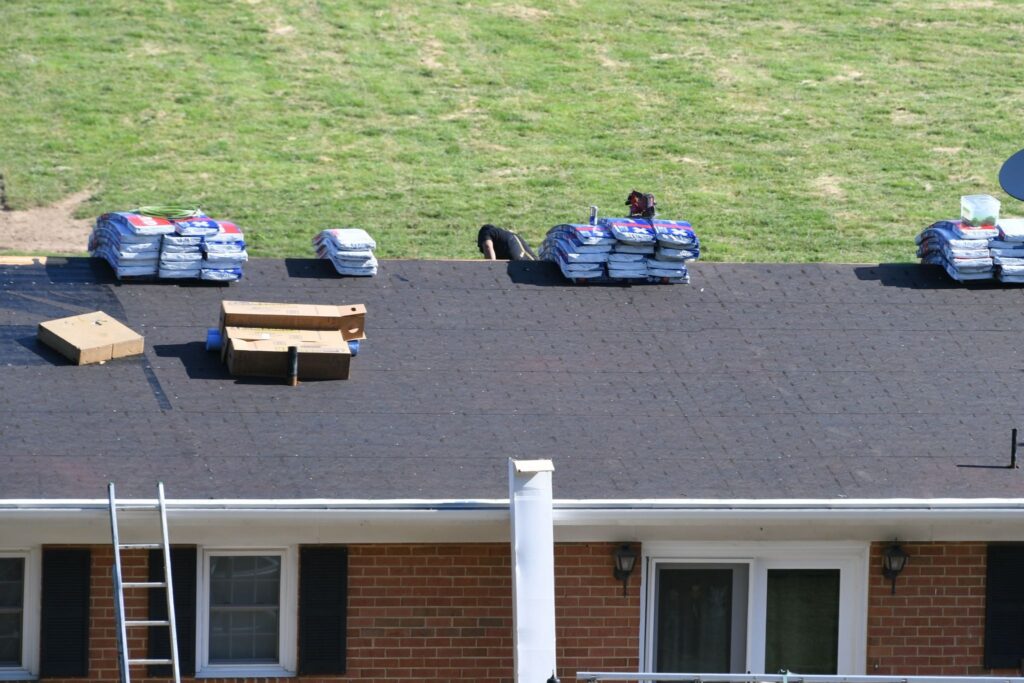
Before installing a new roof, contractors often need to remove the existing roofing materials. This process requires labor, equipment, and proper disposal of debris. Costs increase when the roof contains large amounts of material or difficult-to-remove products. Dumping fees and transportation expenses also contribute to the final price. Some estimates include removal costs, while others list them separately. Reviewing estimate details carefully helps avoid misunderstandings.
Multiple Roofing Layers Add Complexity
Some older homes have more than one layer of roofing installed over time. Multiple layers increase removal time and disposal requirements. Contractors often recommend complete removal before installing a new roofing system. This approach allows them to inspect the underlying structure more thoroughly. Hidden issues are easier to identify when all old materials are removed. Existing roof conditions can significantly affect project costs.
Damaged Roof Decking Requires Repairs
Roofing contractors inspect the roof deck after removing old materials. Water intrusion sometimes damages the wood structure beneath the shingles. Damaged decking cannot properly support a new roofing system. Contractors usually replace affected sections before continuing installation. Repair costs depend on the amount of damage discovered. Addressing structural problems early helps protect the investment in the new roof.
Ventilation and Flashing Upgrades
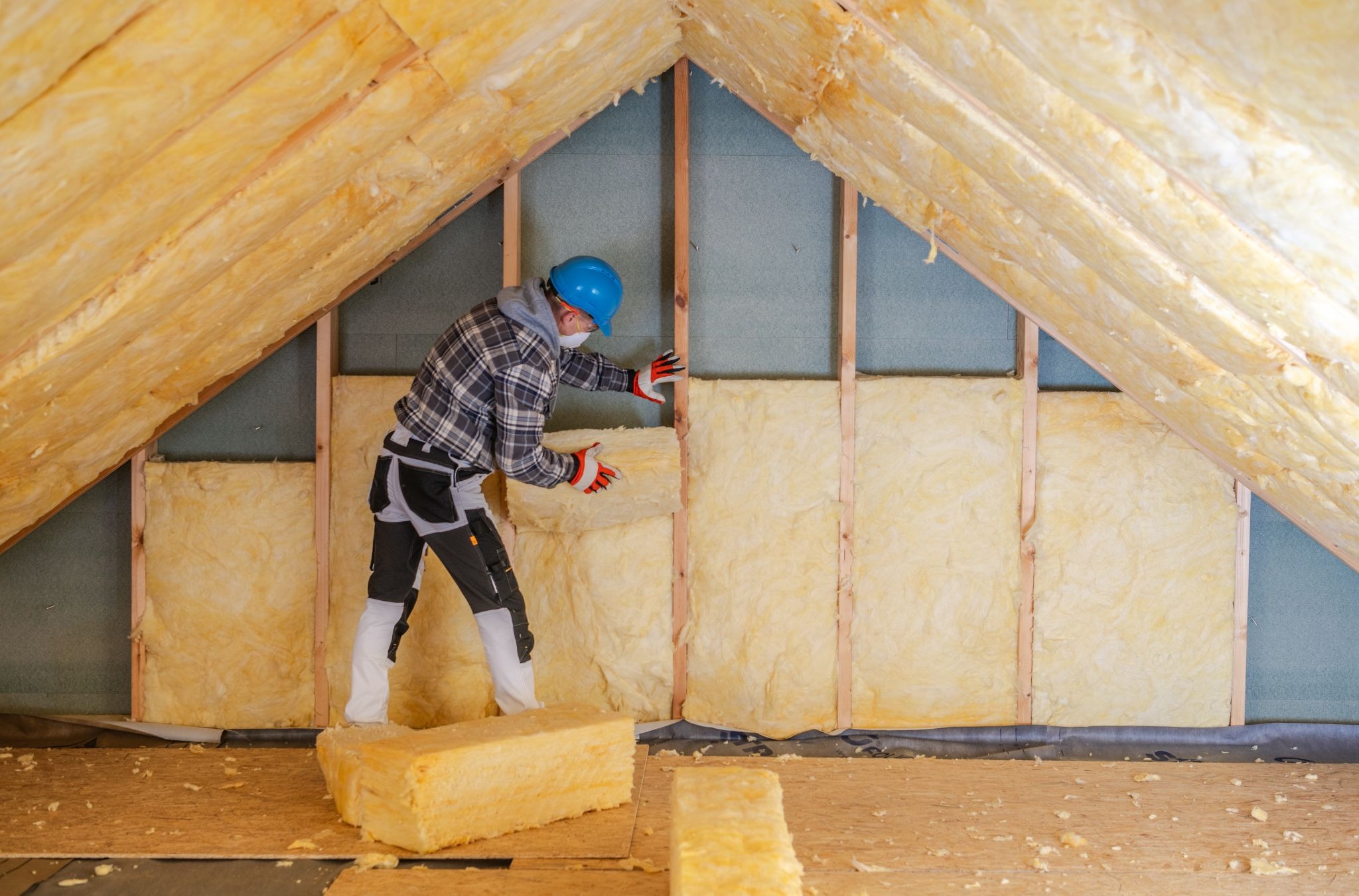
A roof replacement often reveals outdated roofing components. Ventilation systems may need improvements to support proper airflow throughout the attic. Flashing around chimneys, skylights, and roof penetrations may also require replacement. These upgrades help reduce the risk of future leaks and moisture issues. While they add to the project cost, they often improve long-term roof performance. Many homeowners view these improvements as worthwhile preventive measures.
How Roof Design Affects Installation Costs
Not all roofs are equally simple to replace. The shape, slope, and accessibility of a roof can affect both labor requirements and project timelines. Complex roofing systems typically require additional planning and safety precautions. These factors often influence the overall estimate.
Steep Roofs Require More Labor
Steeper roofs create more challenges for roofing crews. Workers often need additional safety equipment and specialized procedures. Installation usually takes longer because materials must be handled more carefully. Safety measures also increase preparation time before work begins. These factors contribute to higher labor expenses. Homeowners with steep roofs should expect estimates to reflect these additional requirements.
Complex Roof Layouts Increase Costs
Simple roof designs are generally easier and faster to replace. Roofs with multiple valleys, dormers, skylights, and intersecting sections require more detailed work. Each transition point creates additional installation steps. Roofing crews must spend more time cutting materials and properly installing flashing. Complex layouts also increase the potential for future leak points if installed incorrectly. Experienced contractors account for these details when preparing estimates.
Limited Access Can Affect Pricing
The location of a home can influence roofing costs. Properties with limited access may make material delivery and debris removal more difficult. Landscaping features, fences, and narrow driveways can create logistical challenges. Contractors may need additional equipment to move materials safely. Extra labor often results when access is restricted. Discussing site conditions during the estimate process helps avoid surprises.
When is it Time to Replace a Roof?
Many homeowners struggle with the decision to repair or replace an aging roof. While some issues can be addressed through repairs, others indicate that a replacement is more practical. Recognizing the warning signs early can help prevent extensive damage. A professional inspection can provide valuable guidance.
Signs a Roof May Need Replacement
Several indicators suggest a roof may be nearing the end of its lifespan. Frequent leaks often signal broader problems beneath the surface. Missing, curling, or cracked shingles can expose the home to water intrusion. Sagging areas may point to structural concerns that require immediate attention. Granule loss on asphalt shingles is another common warning sign. Prompt action can help prevent more expensive repairs later.
Repair or Replace?
Minor damage often responds well to targeted repairs. However, repeated problems can indicate deeper issues within the roofing system. Older roofs may continue to develop new concerns even after repairs are completed. At some point, replacement becomes more cost-effective than ongoing maintenance. A roofing contractor can evaluate the roof’s condition and explain the available options. Making the right choice depends on age, condition, and long-term goals.
How to Get an Accurate Roofing Estimate
Online calculators can provide rough numbers, but they rarely capture the full picture. Every roof has unique characteristics that influence project costs. Professional evaluations provide more reliable information for budgeting and planning. Taking a thoughtful approach to estimates can lead to better decisions.
Schedule a Professional Inspection
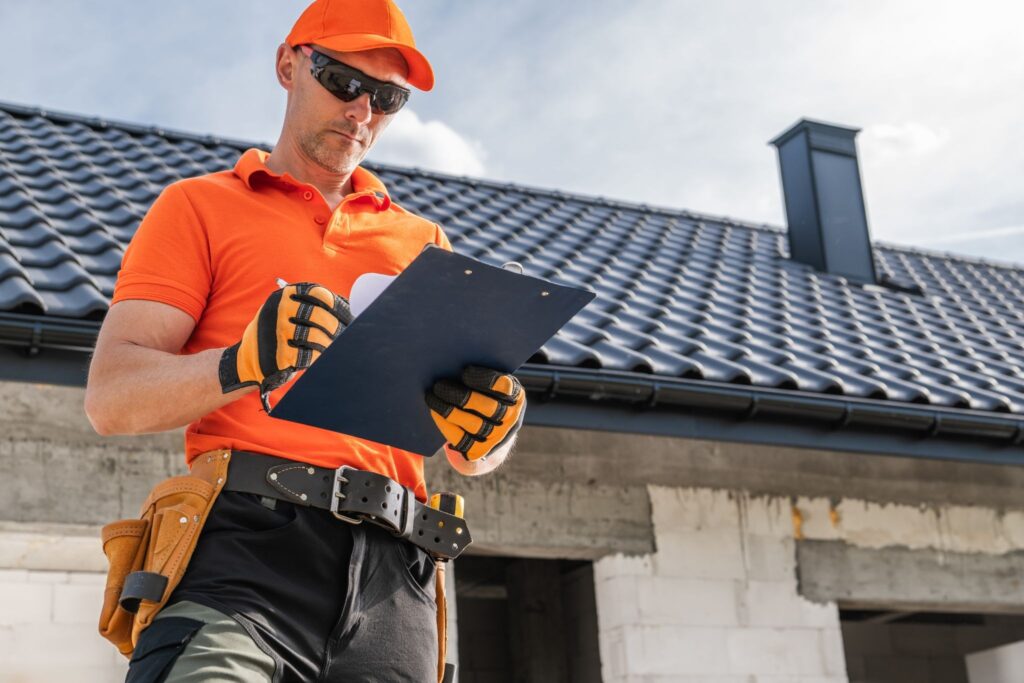
A roof inspection allows contractors to evaluate the property’s specific needs. They assess materials, structural conditions, ventilation, and potential repair requirements. This assessment helps create a detailed and accurate estimate. Homeowners also gain a clearer understanding of the roof’s overall condition. Inspection findings often reveal issues that are not visible from the ground. Reliable information supports better planning.
Compare More Than Price
The lowest estimate is not always the best choice. Homeowners should review materials, warranties, quality guarantees, and contractor experience. A detailed proposal often provides valuable insight into the quality of the project. Comparing complete estimates helps identify meaningful differences between bids. Reputable contractors explain recommendations clearly and answer questions openly. Looking beyond price alone often leads to better long-term results.
Frequently Asked Questions About Roofing Costs
Many homeowners have similar concerns when planning a roof replacement. Quick answers to common questions can help clarify expectations before requesting estimates. While every project is unique, certain topics arise frequently during the decision-making process. The following information addresses some of the most common questions homeowners ask.
What is the Cheapest Roofing Material?
Asphalt shingles are generally the most affordable roofing material for residential properties. They provide reliable protection while keeping installation costs relatively low. Many homeowners choose asphalt because it balances cost and performance. Different grades and styles are available to fit various budgets. Higher-quality asphalt products may cost more initially but often offer longer lifespans. A contractor can explain available options in greater detail.
How Long Does Roof Replacement Take?
Most residential roof replacements take between one and three days to complete. Larger homes or more complex roof designs may require additional time. Weather conditions can also affect project schedules. Contractors typically provide estimated timelines before work begins. Clear communication helps homeowners prepare for the process. Project duration often depends on the scope of work involved.
Does Insurance Cover Roof Replacement?
Insurance coverage depends on the cause of the damage and the terms of the policy. Storm damage and other covered events may qualify for reimbursement. Normal wear and aging usually do not qualify for insurance coverage. Homeowners should review their policies carefully and contact their providers with questions. Contractors often assist with documentation during insurance claims. Understanding coverage requirements helps avoid confusion.
Replace Your Roof Before Small Problems Grow
Waiting too long to address roofing issues often leads to larger and more expensive repairs. What starts as a minor concern can eventually affect insulation, ceilings, walls, and structural components. A roof replacement protects more than just the roof itself; it safeguards the entire home. Speaking with a qualified roofing contractor today can provide clarity, help you plan your budget, and prevent avoidable damage in the future.
Every successful roof replacement starts with informed planning. Explore the Homestyle Home Improvements blog for trusted advice, helpful resources, and expert perspectives designed for homeowners.