

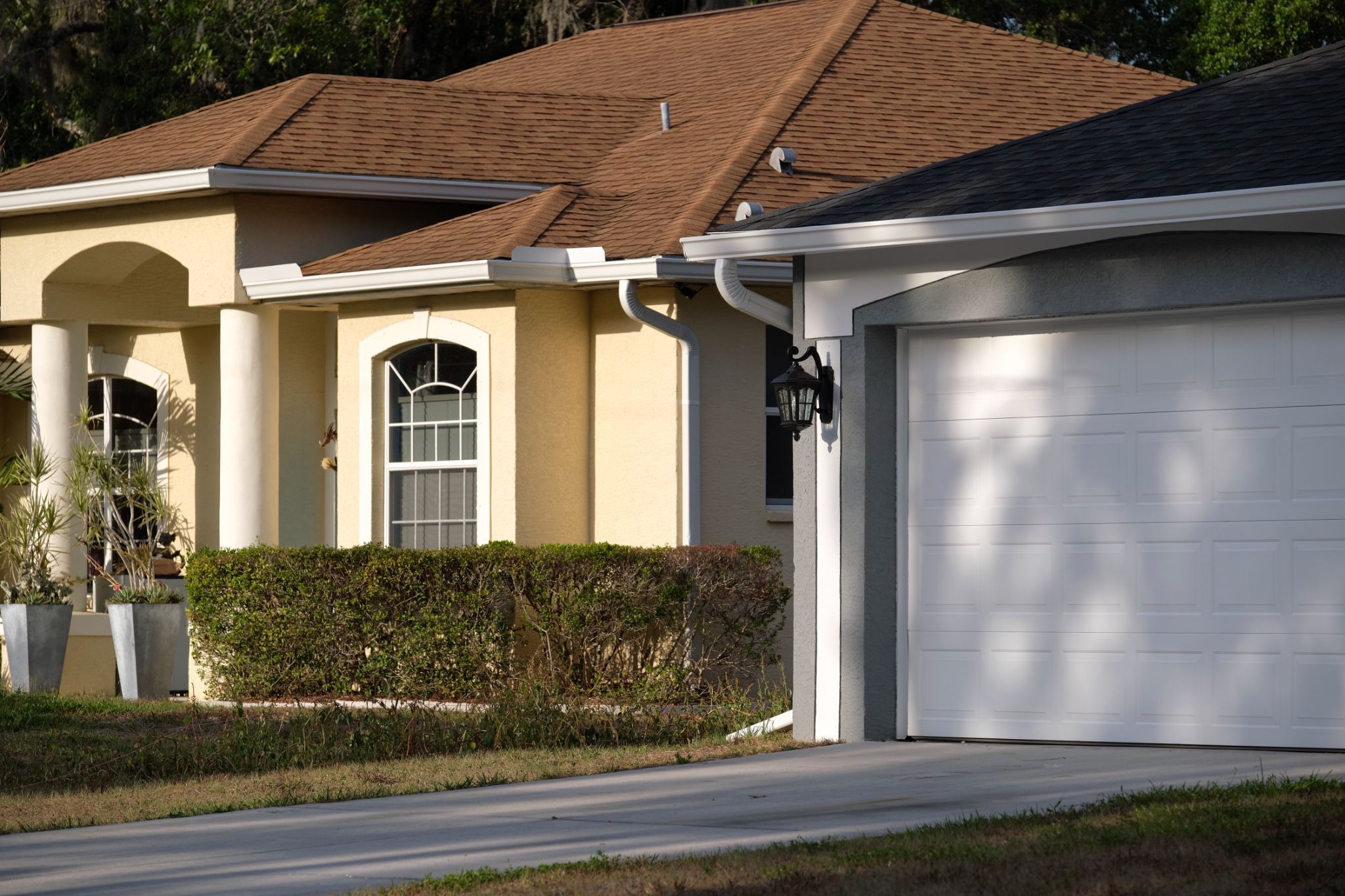

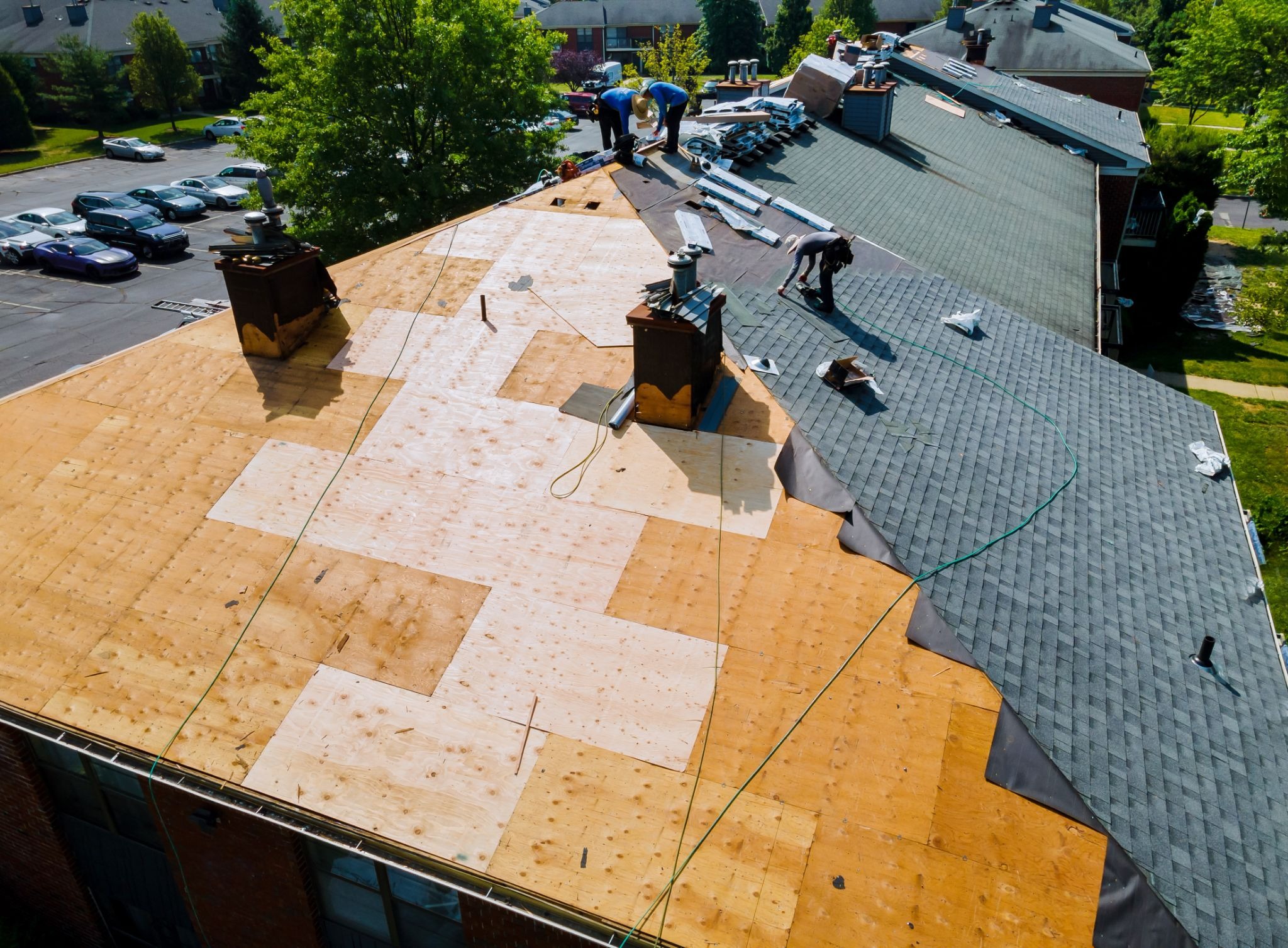
Roof replacements often bring pressure, cost concerns, and timing questions that feel difficult to balance. Property owners want durable results without delays or rising project costs. Seasonal timing affects material performance, labor availability, and overall installation quality. Small scheduling decisions can significantly shape long-term durability and energy efficiency. Understanding the best time for roofing work helps you protect your investment with confidence.
Why Timing Affects Roof Replacement Results
Timing directly affects roof replacements because weather and demand influence installation quality and cost. Roofing materials respond differently to temperature, moisture, and sunlight during installation. Contractors also adjust pricing and schedules based on seasonal workload and availability. A well-timed project reduces risks and supports better long-term performance.
Weather Impact on Roof Installation Quality
Weather conditions shape how roofing systems perform during and after installation. Asphalt shingles require moderate heat to seal properly and create a strong bond. Cold air can stiffen materials, which makes them harder to install with precision. Excessive heat softens shingles, increasing the risk of surface damage during work. Rain introduces moisture that can weaken adhesion and delay progress on site. According to industry guidance from the National Roofing Contractors Association, stable conditions help crews deliver consistent and reliable results.
Seasonal Pricing and Demand Trends
Seasonal demand influences how contractors price roof replacements. High-demand periods often bring tighter schedules and higher labor costs. Slower seasons may offer more flexible pricing and quicker project timelines. Material costs can also fluctuate with supply levels and regional demand. Planned projects usually cost less than emergency replacements due to better scheduling control. This pricing pattern helps property owners manage budgets more effectively by timing purchases properly.
Best Season for Roof Replacement Timing
Choosing the right season for roof replacements can influence cost, durability, and project efficiency. Different times of the year present distinct advantages and challenges that affect installation outcomes. Weather patterns, contractor demand, and material performance all shape the project’s overall success. A clear understanding of these seasonal factors helps guide smarter decisions before moving forward.
Spring Roofing Benefits and Risks
Spring roofing projects balance improving weather conditions with rising demand across the industry. Temperatures begin to stabilize, which supports a smoother installation compared to winter months. Many property owners schedule residential roofing work during this season to address winter damage. Commercial roofing activity also increases as businesses prepare for steady operations.
Mild Weather Supports Roofing Performance
Spring provides moderate temperatures that help roofing materials perform well during installation. Shingles can seal effectively without becoming brittle or overly soft under these conditions. Crews work more comfortably, which improves focus and overall craftsmanship quality. Winter damage becomes visible during inspections, allowing timely repairs before conditions worsen. Moisture levels remain manageable when rain does not interrupt the project schedule. This balanced climate supports steady progress and dependable installation results.
Rain Delays and High Demand Issues
Spring often brings frequent rain, which can interrupt roofing schedules and extend timelines. Wet surfaces create unsafe working conditions and prevent proper material installation. High demand during this season also limits contractor availability for new projects. Property owners may face longer wait times when scheduling during peak periods. Moisture exposure during installation can affect long-term durability if not managed carefully. Planning helps secure a reliable schedule despite these seasonal challenges.
Summer Roofing Pros and Limits
Summer roofing work benefits from consistent weather but requires adjustments for heat-related conditions. Longer daylight hours allow crews to complete projects more efficiently. Dry conditions reduce interruptions and support steady installation progress. However, extreme temperatures can influence both material behavior and worker safety.
Longer Days Improve Project Efficiency
Summer provides longer daylight hours, increasing daily productivity on roofing projects. Crews can complete more work within each day, which shortens overall timelines. Dry conditions help materials stay stable and reduce delays caused by moisture. Contractors can plan schedules more accurately due to predictable weather patterns. This steady pace allows better coordination between property owners and roofing teams. Efficient timelines reduce disruptions for both residential and commercial operations.
Heat Effects on Roofing Materials
High temperatures influence how roofing materials behave during installation and handling. Shingles may soften in strong heat, making them more prone to surface damage. Workers must handle materials carefully to avoid scuffing or misalignment during placement. Adhesives can react differently to extreme heat, which can affect bonding strength. Proper installation techniques help reduce risks caused by temperature extremes. Contractors often adjust schedules to avoid working during peak heat hours.
Worker Safety During Hot Conditions
Heat exposure creates safety concerns that contractors must address during summer roofing work. Crews often begin earlier in the day to avoid intense afternoon temperatures. Regular breaks and hydration help maintain focus and prevent heat-related fatigue. Safety measures reduce the likelihood of accidents on the job site. These adjustments may influence daily progress and overall project timelines. Clear communication helps property owners understand scheduling changes when heat becomes a factor.
Fall Roofing Advantages
Fall roofing projects offer stable weather conditions that support consistent installation outcomes. Temperatures remain moderate, which allows materials to perform as intended. Property owners often prepare for colder months by scheduling work during this period. Increased demand, however, can limit availability and affect pricing.
Ideal Temperatures for Material Performance
Fall temperatures create an environment where roofing materials perform at their best. Shingles seal properly without the risks associated with extreme heat or cold. Crews can work comfortably, ensuring consistent craftsmanship throughout the project. Lower humidity reduces moisture-related complications during installation. These conditions contribute to durable roofing systems with long-lasting performance. Many professionals consider fall one of the most reliable seasons for installation.
Preparing Roofs for Colder Weather
Fall roofing projects help protect properties before colder conditions arrive. A new roof improves insulation and helps reduce heat loss during the winter months. This improvement supports energy efficiency and lowers utility costs over time. Addressing issues early prevents leaks and structural damage during harsh weather. Property owners gain confidence knowing their building is ready for seasonal changes. This preparation reduces the risk of unexpected repairs later.
Demand Peaks and Limited Availability
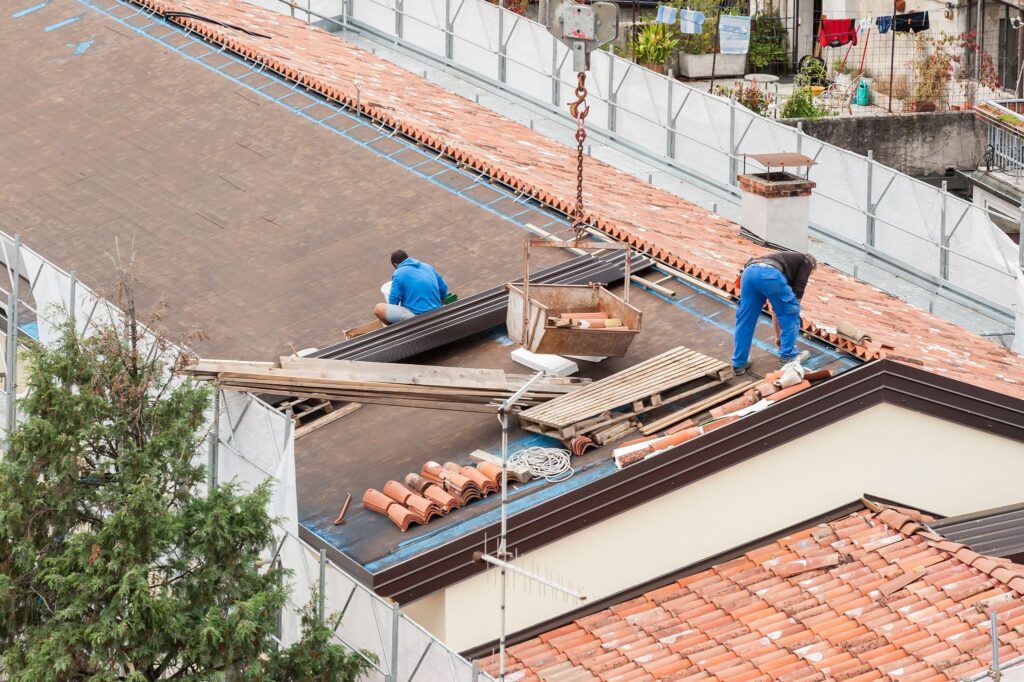
Fall demand for roofing services often leads to tighter contractor schedules. Many property owners choose this season, which increases competition for skilled professionals. Limited availability can lead to higher pricing and longer wait times. Scheduling requires planning to secure a preferred timeline. Contractors may prioritize projects booked in advance during busy periods. Early coordination helps maintain flexibility and avoid delays.
Winter Roofing Cost Considerations
Winter roofing work offers cost-saving opportunities but requires careful planning given weather constraints. Lower demand often leads to more flexible scheduling and competitive pricing. Contractors may adjust rates to maintain steady workloads during slower months. Cold temperatures, however, introduce challenges that affect installation methods and timelines.
Lower Costs During Off-Season Work
Winter offers opportunities to save on roofing projects due to reduced demand. Contractors may provide discounts to attract work during this quieter period. Scheduling becomes more flexible, which allows quicker project start times. Budget-conscious property owners often benefit from these seasonal adjustments. Material suppliers may also adjust pricing based on demand trends. These cost advantages make winter a viable option for certain projects.
Cold Weather Installation Challenges
Cold conditions affect roofing materials and installation techniques in noticeable ways. Shingles can become stiff, which makes them harder to install accurately. Adhesives may not bond as effectively in low temperatures. Snow and ice create safety risks that can delay project timelines. Contractors must use specialized methods to maintain quality during installation. Not all roofing materials perform well under these conditions.
When Winter Roofing Makes Sense
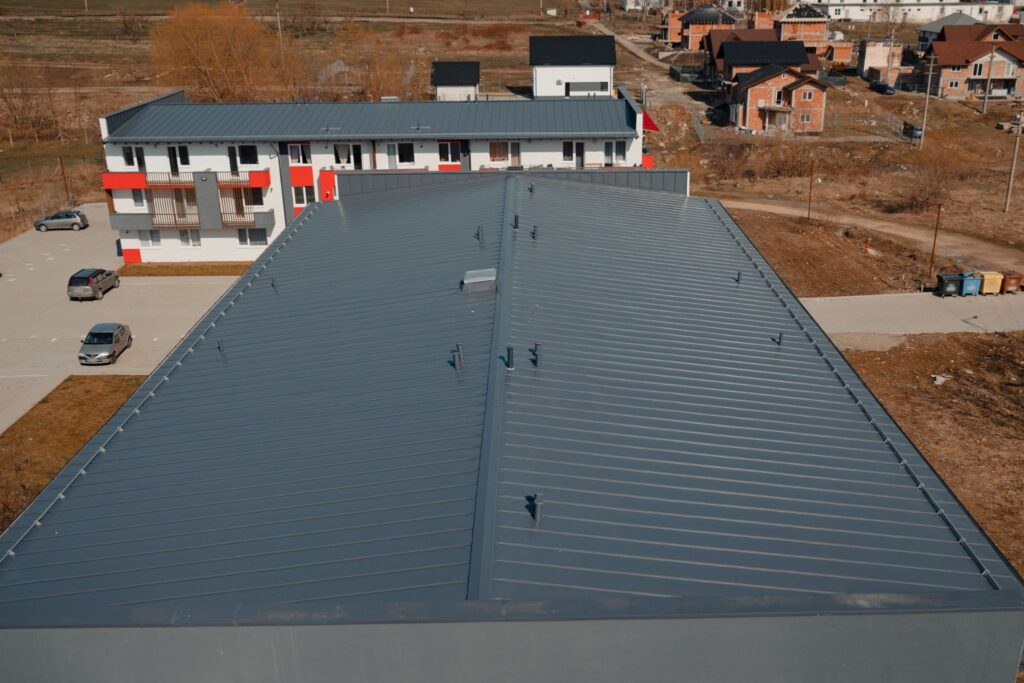
Winter roofing work is suited to situations that require immediate attention despite weather challenges. Urgent repairs often cannot wait for more favorable conditions later. Experienced contractors can adapt techniques to manage cold-related limitations. Some materials, such as metal roofing, perform better during winter installations. Proper planning helps reduce risks and maintain project quality. Professional guidance supports safe and effective decision-making.
Factors That Guide Roof Replacement Timing
Roof replacement timing depends on property condition, material choice, and contractor availability. Each project presents unique factors that influence scheduling decisions. Urgency often determines whether seasonal timing remains flexible. Evaluating these elements helps create a practical and effective project plan.
Roof Condition and Urgency Levels
Roof condition determines how quickly replacement work must begin. Visible damage, such as leaks or missing shingles, requires prompt attention. Delaying repairs can lead to more extensive structural issues and higher costs. Water intrusion may affect insulation and interior spaces over time. Professional inspections help identify problems before they worsen. Addressing urgent concerns takes priority over seasonal preferences.
Roofing Material and Installation Needs
Material selection influences the best time for roof replacements. Asphalt shingles require moderate temperatures for proper sealing and performance. Metal roofing offers flexibility across different seasonal conditions. Some materials require specific installation methods depending on weather factors. Manufacturer recommendations guide optimal installation timing. Choosing suitable materials supports long-term durability and efficiency.
Contractor Scheduling and Availability
Contractor availability often shapes the timing of roof replacement projects. High-demand seasons can limit scheduling options and increase wait times. Planning helps secure experienced professionals for the job. Clear communication ensures that timelines and expectations align properly. Coordinated scheduling improves efficiency and reduces project disruptions. This planning step helps maintain a smooth and organized process.
Schedule Roof Replacement Before Costs Rise
Roof replacements deliver better results when planned with timing, cost, and quality in mind. Seasonal conditions influence installation performance and overall project efficiency. Delays can increase expenses and expose properties to further damage over time. A proactive approach helps protect your structure and maintain long-term value. Connect with a trusted roofing professional to secure the right schedule and avoid unnecessary setbacks.
Take the guesswork out of your next project—explore expert insights on the Homestyle Home Improvements blog and plan with clarity.