
Homeowners often look for siding that balances cost, durability, and curb appeal. Vinyl siding stands out for its reliable protection without the constant upkeep of other materials. Many modern homes now feature a variety of siding profiles that suit both classic and contemporary designs. The wide range of styles gives homeowners control over how their exteriors look, and the right types of vinyl siding can shape your home’s comfort, value, and long-term appearance.
What Are Vinyl Siding Types
Vinyl siding types refer to the different panel styles, textures, and structures used on home exteriors. These options vary in orientation, design detail, and insulation features that affect both appearance and performance. Homeowners often choose vinyl because it resists moisture, insects, and fading in most climates. This material also requires less maintenance than wood or fiber cement, which appeals to busy households.
Why Vinyl Siding Works for Homes
Vinyl siding works well because it combines durability with low maintenance requirements. It uses PVC, which resists rot, pests, and water damage in changing weather conditions. Homeowners can easily clean it with water, reducing long-term maintenance costs. This material option is available in many colors and textures, helping match a range of architectural styles. Its lifespan can extend for decades when installed correctly and maintained consistently. Many contractors recommend vinyl siding because it offers dependable performance at a reasonable cost.
Best Vinyl Siding Types for Homes
Different vinyl siding styles offer unique benefits that shape both appearance and performance. Homeowners often compare options based on durability, design flexibility, and long-term value. Each siding type serves a specific purpose, depending on the home’s structure and environment. Understanding these differences helps guide better decisions when planning an exterior upgrade.
Horizontal Vinyl Siding
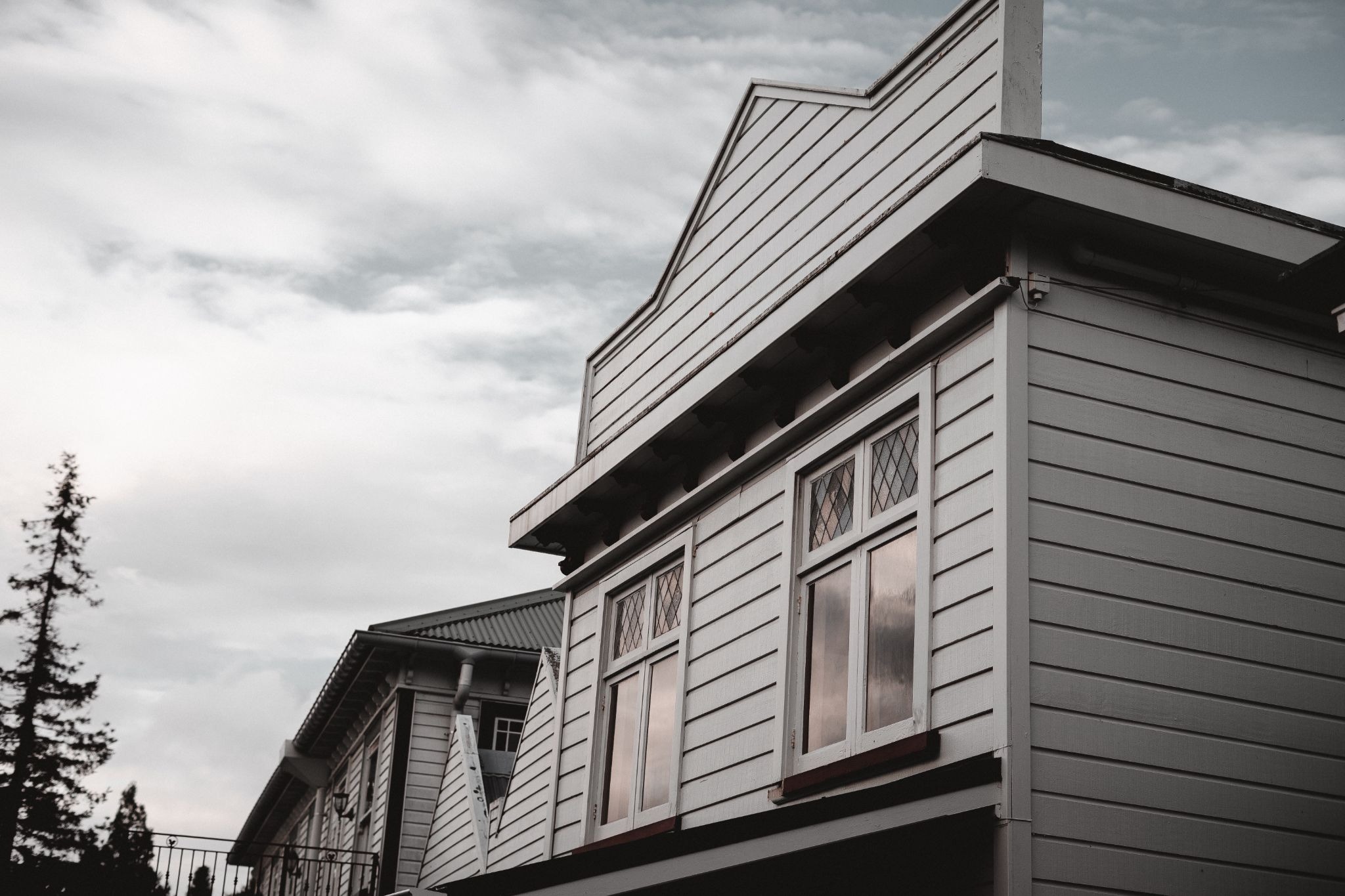
Horizontal vinyl siding consists of panels installed side by side along the home’s exterior walls. This style remains popular because it creates a familiar, balanced appearance in many house designs. Homeowners often select horizontal siding for its versatility and ease of installation. This layout works well across traditional, suburban, and even some modern homes.
Clapboard Vinyl Siding
Clapboard vinyl siding uses long, overlapping boards that create a clean, layered look on exterior walls. This design produces subtle shadow lines that add depth without overwhelming the structure. Many homeowners prefer this siding style because it closely resembles painted wood without the upkeep. It fits well on colonial, cottage, and standard residential homes with timeless designs. This style also offers many color and texture options that support different design goals. Contractors often find clapboard panels easier to install, which can help manage labor costs.
Dutch Lap Vinyl Siding
Dutch lap vinyl siding features a curved top edge on each panel, adding dimension. This profile creates deeper shadow lines, giving the home a more textured appearance from a distance. Many homeowners choose this style when they want a stronger visual effect than standard clapboard provides. It suits both traditional and transitional homes without appearing overly decorative. This siding option still delivers the same durability and low-maintenance benefits as vinyl. Its distinct shape also helps hide minor surface imperfections over time.
Beaded Seam Vinyl Siding
Beaded seam vinyl siding includes a rounded detail along the lower edge of each panel. This design adds a refined look that complements homes with classic or historic influences. Homeowners often use this siding style to create a more polished exterior without complex design changes. It offers a subtle upgrade that enhances curb appeal while maintaining a cohesive appearance. This panel type performs well in different climates and resists common environmental wear. Its consistent structure makes it a reliable option for long-term use.
Vertical Vinyl Siding
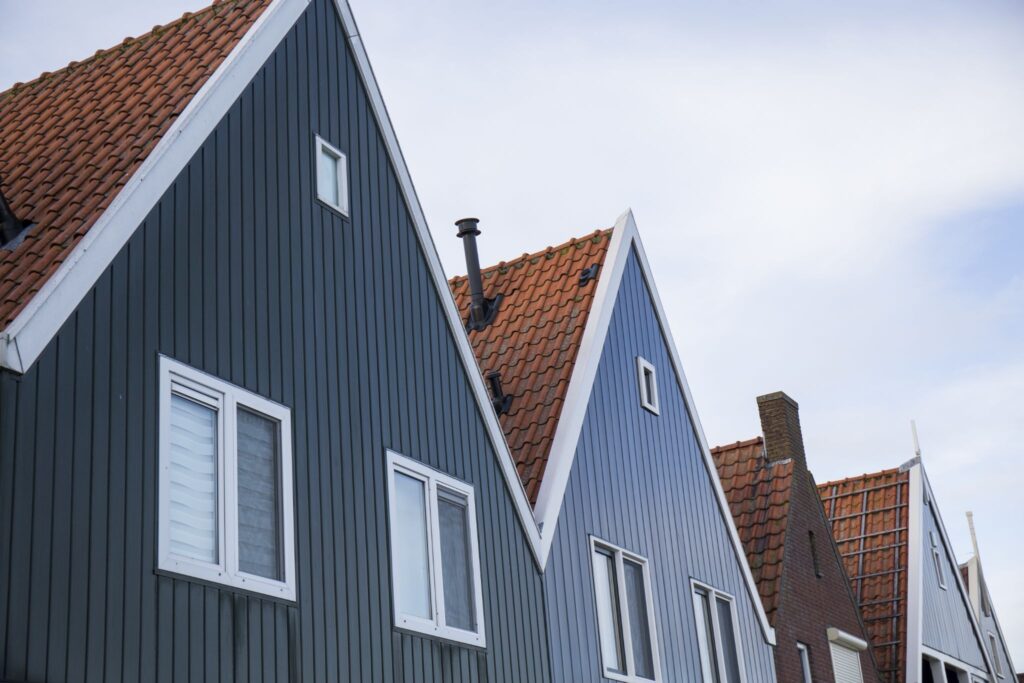
Vertical vinyl siding includes panels installed from top to bottom, creating a taller visual effect. This style has gained popularity as homeowners seek modern, distinctive exterior designs. Many builders use vertical siding to highlight specific sections of a home or create contrast. This layout works well for contemporary homes and mixed-material exteriors.
Board and Batten Vinyl Siding
Board-and-batten vinyl siding uses wide vertical panels with narrow strips covering each seam. This design creates a layered texture that adds depth and visual interest to the exterior. Many homeowners choose this style for farmhouse or modern designs that favor bold lines. It can cover entire walls or serve as an accent alongside horizontal siding. This siding structure holds up well in varying weather conditions, including wind and moisture. Its strong visual presence makes it a popular choice for homeowners seeking a distinct exterior look.
Vertical Panel Vinyl Siding Use
Vertical panel vinyl siding offers a clean and simple look with smooth, straight panels. This style works well for homeowners who prefer minimal design and structured lines. Builders often use it to highlight entryways or combine it with stone or brick finishes. This siding option supports modern architecture without adding unnecessary detail. It also allows efficient installation due to its straightforward panel design. Its simplicity makes it a practical choice for both new construction and exterior updates.
Decorative Vinyl Siding
Decorative vinyl siding styles add texture and visual interest to specific areas of a home. These designs often enhance features like gables, dormers, or entry sections. Homeowners use decorative siding to create contrast and break up large wall surfaces. This approach helps achieve a more customized and visually engaging exterior.
Shake Vinyl Siding Look
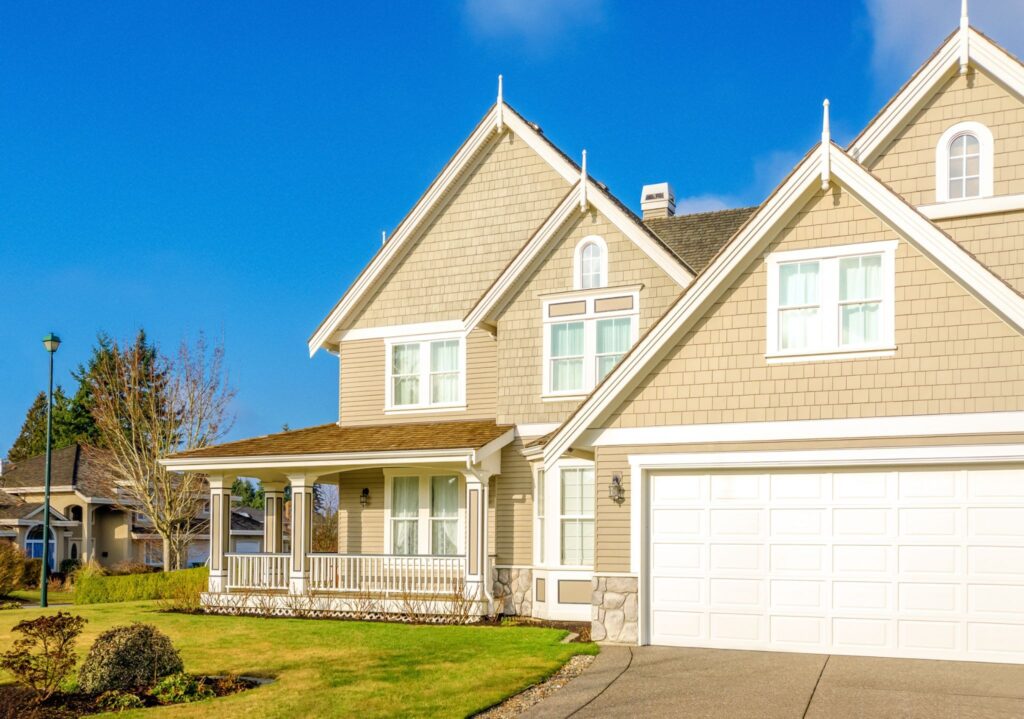
Shake vinyl siding mimics the appearance of hand-split wood pieces arranged in uneven patterns. This design adds a rustic texture, bringing warmth and character to the home’s exterior. Many homeowners install it on upper walls or accent areas to create visual contrast. It delivers the charm of wood without the maintenance demands associated with natural materials. This siding option resists moisture, insects, and weather-related damage over time. Its color range allows homeowners to match different architectural styles easily.
Shingle Vinyl Siding
Shingle vinyl siding features evenly shaped pieces that create a uniform and clean exterior finish. This design works well on coastal, cottage, and traditional-style homes. Homeowners often use it for smaller sections to highlight architectural details. It provides a neat and structured appearance that complements various design themes. This siding option offers durability and requires minimal upkeep compared to wood shingles. Its consistent pattern helps maintain a polished, balanced exterior.
Scalloped Vinyl Siding
Scalloped vinyl siding features curved edges to create a decorative pattern that stands out. This design often appears on homes with historic or Victorian-inspired architecture. Homeowners use it sparingly to add character without overwhelming the overall design. It works best when paired with simpler siding styles for balance. This siding type maintains durability while offering a unique visual feature. Its low maintenance requirements make it a practical decorative option.
Insulated Vinyl Siding
Insulated vinyl siding includes an added foam layer that improves energy efficiency and durability. This feature helps regulate indoor temperatures by reducing heat loss and gain. Homeowners often choose this option to improve comfort and reduce energy costs over time. This siding type also increases wall strength and reduces outside noise.
Foam-Backed Vinyl Siding
Foam-backed vinyl siding combines standard panels with a solid insulation layer attached to the back. This structure improves thermal performance by reducing air gaps and heat transfer. Homeowners often notice more stable indoor temperatures after installation. It also helps reduce outdoor noise, improving indoor comfort. This siding option resists impact better due to its added thickness and support. While it may cost more upfront, it can provide long-term savings through improved energy efficiency.
Insulated Siding and Moisture Control
Insulated vinyl siding also helps manage moisture by reducing condensation within exterior walls. This added layer limits the chances of mold and mildew developing behind the panels. Homeowners benefit from better indoor air quality and fewer structural concerns over time. This moisture-control feature works especially well in humid climates, where excess moisture can become a problem. Proper installation still plays a role in maximizing these benefits. When combined with good ventilation, this siding type helps create a healthier, more durable home exterior.
Choosing Vinyl Siding for Homes
Choosing vinyl siding involves evaluating design, climate, and long-term value. Homeowners should consider how each siding type performs in their specific environment. This decision affects maintenance requirements, durability, and the home’s overall appearance. Careful selection helps avoid costly changes and supports lasting satisfaction.
Climate and Weather Considerations
Climate conditions affect how vinyl siding performs over time in different regions. High heat can cause expansion, while cold weather can cause contraction in lower-quality materials. Moist environments require siding that effectively resists mold and water damage. Strong winds also demand panels with secure installation and proper thickness. This environmental factor influences which siding type will last longer and perform better. Homeowners should consult local contractors who understand regional weather patterns.
Budget and Installation Factors
Budget considerations shape the choice between basic and more advanced vinyl siding types. Some styles cost more due to added detail or insulation features. Installation costs also vary depending on home size and labor complexity. This financial factor includes future maintenance and potential repair expenses. Homeowners should compare long-term value rather than focusing only on upfront pricing. A balanced approach helps maintain both appearance and cost efficiency.
Design Compatibility and Home Style
Design compatibility refers to how well a siding type matches your home’s architectural style. Homeowners should consider rooflines, window shapes, and exterior features before choosing a siding profile. This visual factor helps create a cohesive look that feels intentional rather than mismatched. Some styles, like board-and-batten, suit modern or farmhouse designs better than others. This design element also affects resale appeal, as buyers often prefer consistent exterior aesthetics. Choosing a siding style that complements the home’s structure can enhance both the home’s appearance and its value.
Find the Best Type of Vinyl Siding for Your Home
Choosing the best type of vinyl siding depends on how your home looks, how it performs, and how it ages over time. Each siding option offers different strengths, from visual style to weather resistance and insulation. Homeowners who compare these features carefully often avoid costly adjustments later. A clear understanding of your needs can lead to a siding choice that supports comfort, durability, and lasting curb appeal.
Explore more practical insights on home exterior improvements on the Homestyle Home Improvements blog and make informed decisions for your next upgrade.