
Your home’s exterior sets expectations before anyone walks through the door. The color you choose influences how neighbors, buyers, and appraisers perceive its condition and value. Trends continue to shift, yet siding remains a long-term investment that deserves careful planning. Homeowners today weigh durability, climate, and resale potential alongside personal style. All of these factors shape the growing interest in the most popular vinyl siding colors in 2026.
Why Vinyl Siding Colors Matter in 2026
Vinyl siding colors influence curb appeal, resale value, and even energy performance in today’s housing market. Buyers often form opinions within seconds, and exterior color frames that first impression. Real estate professionals frequently note a stronger interest in homes with updated, cohesive exteriors. In 2026, homeowners approach siding color as a strategic decision rather than a simple aesthetic upgrade.
Curb Appeal and Buyer Perception
Curb appeal starts with color because siding covers most of the visible exterior surface. A well-chosen tone can make architectural details appear sharper and more intentional. Neutral yet warm shades tend to attract a broader range of buyers. Darker hues can add depth, but they require balanced trim and lighting. Modern pigment technology now improves fade resistance, helping maintain a fresher appearance longer. This durability supports both daily satisfaction and long-term resale confidence.
Energy Efficiency and Climate Impact
Energy performance closely aligns with exterior color, especially in regions with intense sunlight. Lighter vinyl siding colors reflect more sunlight and reduce surface heat absorption. Darker tones absorb more warmth, which may affect wall temperature during peak summer months. Manufacturers have improved insulation backing and UV protection to offset these concerns. Homeowners in warm states often prioritize reflective tones for practical comfort. This climate-based reasoning is influencing many color decisions for 2026 developments.
Psychology of Vinyl Siding Colors and Value
The psychology of exterior color plays a powerful role in how people perceive your home’s value and condition. Buyers often associate warm, balanced vinyl siding colors with stability, cleanliness, and long-term care. Lighter tones can make a home appear larger and more open, while darker shades create a sense of structure and modern refinement. A strong contrast between siding and trim can make architectural lines look sharper and more intentional. Muted neutrals tend to signal broad appeal, which helps buyers feel comfortable rather than uncertain. Understanding these psychological cues helps homeowners choose colors that subtly reinforce desirability and perceived quality.
Most Popular Vinyl Siding Colors 2026
The most popular vinyl siding colors in 2026 center on warmth, depth, and natural undertones. Designers report a steady shift away from flat, cool grays toward more balanced, inviting shades. Homeowners want colors that feel current yet flexible enough for future updates. These leading choices reflect both aesthetic preference and practical resale awareness.
Warm Greige and Soft Taupe
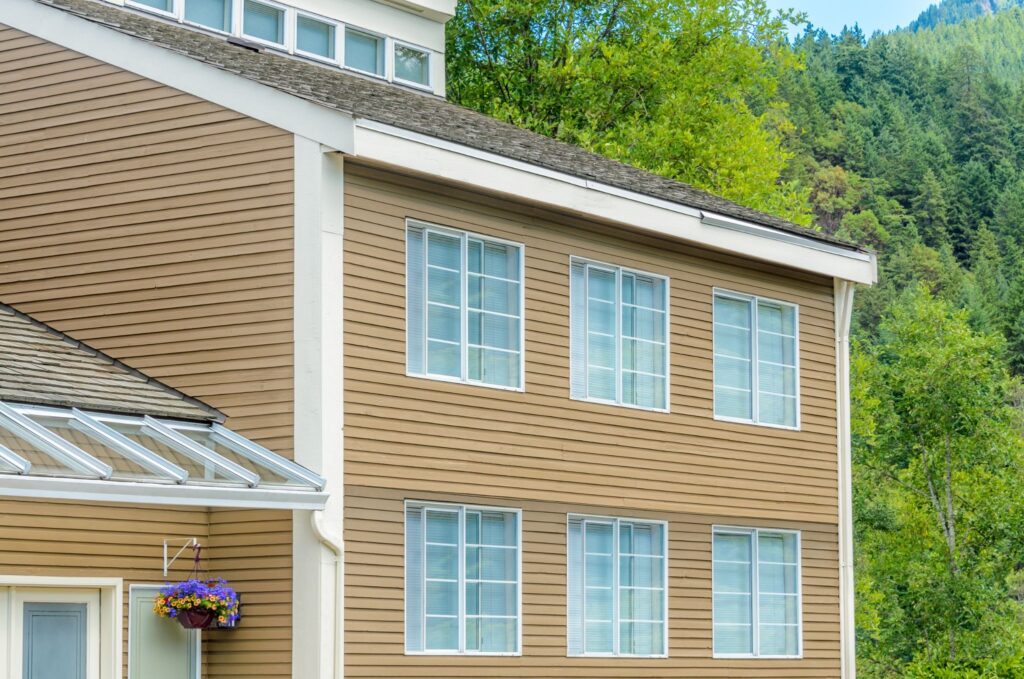
Warm greige and soft taupe rank among the top choices because they blend the stability of gray with the warmth of beige. This color balance creates a neutral base that complements stone, brick, and a range of roof tones. Greige avoids the cold appearance that defined earlier gray trends. Taupe introduces subtle richness without overwhelming trim or shutters. Many homeowners pair these shades with crisp white or charcoal trim for contrast. This wide compatibility makes greige and taupe reliable options for suburban and urban homes alike.
Deep Navy and Midnight Blue
Deep navy and midnight blue remain highly sought after for homeowners who want depth without excessive boldness. Navy pairs well with white trim, natural wood doors, and black shutters. Midnight blue appears nearly black in shade yet reveals blue undertones in daylight. This shifting effect adds dimension across different lighting conditions. Modern vinyl siding products resist fading better than older versions, which supports the use of darker colors. This combination of drama and durability keeps navy among the leading exterior trends.
Earthy Olive and Muted Sage
Earthy olive and muted sage reflect a broader shift toward nature-inspired exterior design. These green tones visually connect the home to the landscaping and surrounding trees. Sage offers a soft, calming appearance that pairs well with cream trim. Olive carries deeper undertones that complement stone foundations and bronze fixtures. Homeowners often select these hues to stand out gently rather than dramatically. This understated character appeals to buyers seeking warmth without trend fatigue.
Charcoal and Soft Black
Charcoal and soft black create a modern and confident exterior statement. Charcoal provides a strong contrast while remaining more forgiving than pure black. Soft black suits contemporary homes with clean lines and minimal ornamentation. Homeowners frequently add wood or stone accents to prevent a heavy appearance. Improved UV resistance in current vinyl siding helps retain color over time. This bold direction appeals to those seeking a refined yet contemporary façade.
Warm Off-White and Creamy Ivory
Warm off-white and creamy ivory replace stark white as the preferred light siding option. These softer tones reduce glare and appear more natural in direct sunlight. Cream undertones pair well with black shutters, gray roofs, and brick accents. Homeowners favor these shades for traditional, farmhouse, and transitional styles. The flexibility of warm white makes it easy to update landscaping and entry doors. This timeless appeal keeps creamy neutrals firmly positioned in 2026 color trends.
Regional Vinyl Siding Color Trends
Regional climate and architectural history strongly influence vinyl siding color preferences. Homeowners often select shades that reflect local building traditions and environmental conditions. Sun exposure, humidity, and seasonal changes all affect how color performs over time. These geographic factors shape many of the most common siding choices across the country.
Sunbelt States and Heat-Reflective Colors
Lighter vinyl siding colors dominate in warmer climates because they reflect sunlight more effectively. Cream, pale gray, and light greige help reduce exterior heat buildup during long summers. This heat reflection supports indoor comfort and energy efficiency. Homeowners in southern states often prioritize these practical benefits. Dark accents still appear on shutters and entry doors, adding depth. This balanced approach allows style without compromising climate performance.
Northeast Colonial and Classic Shades
Northeastern homes often reflect colonial and historic architectural influences. Navy, forest green, and warm gray frequently appear in established neighborhoods. These tones complement brick façades and symmetrical window designs. Snow-covered landscapes also highlight darker exteriors during winter months. Homeowners in these regions value colors that respect tradition while feeling updated. This blend of heritage and refinement defines many 2026 choices in the Northeast.
Midwest Suburbs and Adaptable Neutrals
Midwestern suburbs favor adaptable neutrals that suit diverse home styles and roof types. Warm taupe, balanced gray, and muted sage often appear in new developments. Builders recommend these colors because they appeal to a broad buyer base. This flexibility supports resale value in competitive housing markets. Homeowners appreciate shades that coordinate easily with future exterior improvements. This practical mindset drives many siding selections across the region.
Coastal Communities and Soft Blues
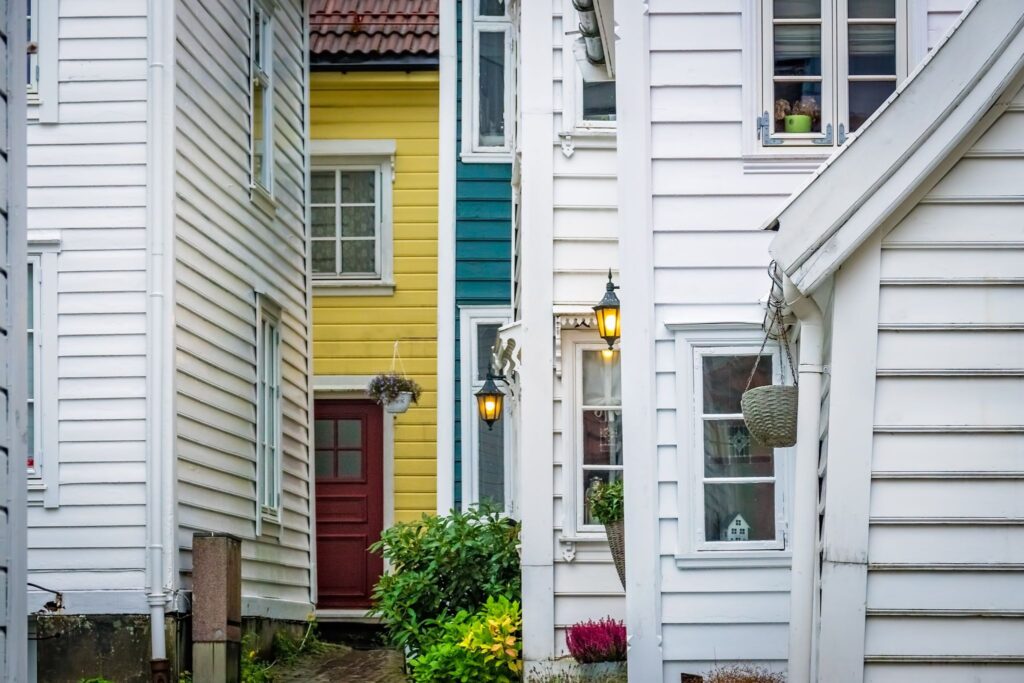
Coastal communities often feature soft blue, pale gray, and seafoam-inspired siding tones. These colors reflect ocean surroundings and create a relaxed exterior feel. Light blues pair naturally with white trim and sandy stone details. Salt air and humidity also influence material and color decisions. High-quality, fade-resistant vinyl siding performs better in these environments. This combination of aesthetic and durability keeps soft blues popular along the coast.
How to Choose the Right Siding Color
Choosing the right vinyl siding color requires evaluating fixed exterior elements and long-term goals. Roof shingles, stonework, and trim establish a foundation that guides color selection. Lighting conditions further influence how tones appear throughout the day. This structured approach helps homeowners avoid mismatched or short-lived design choices.
Match Siding With Roof and Trim
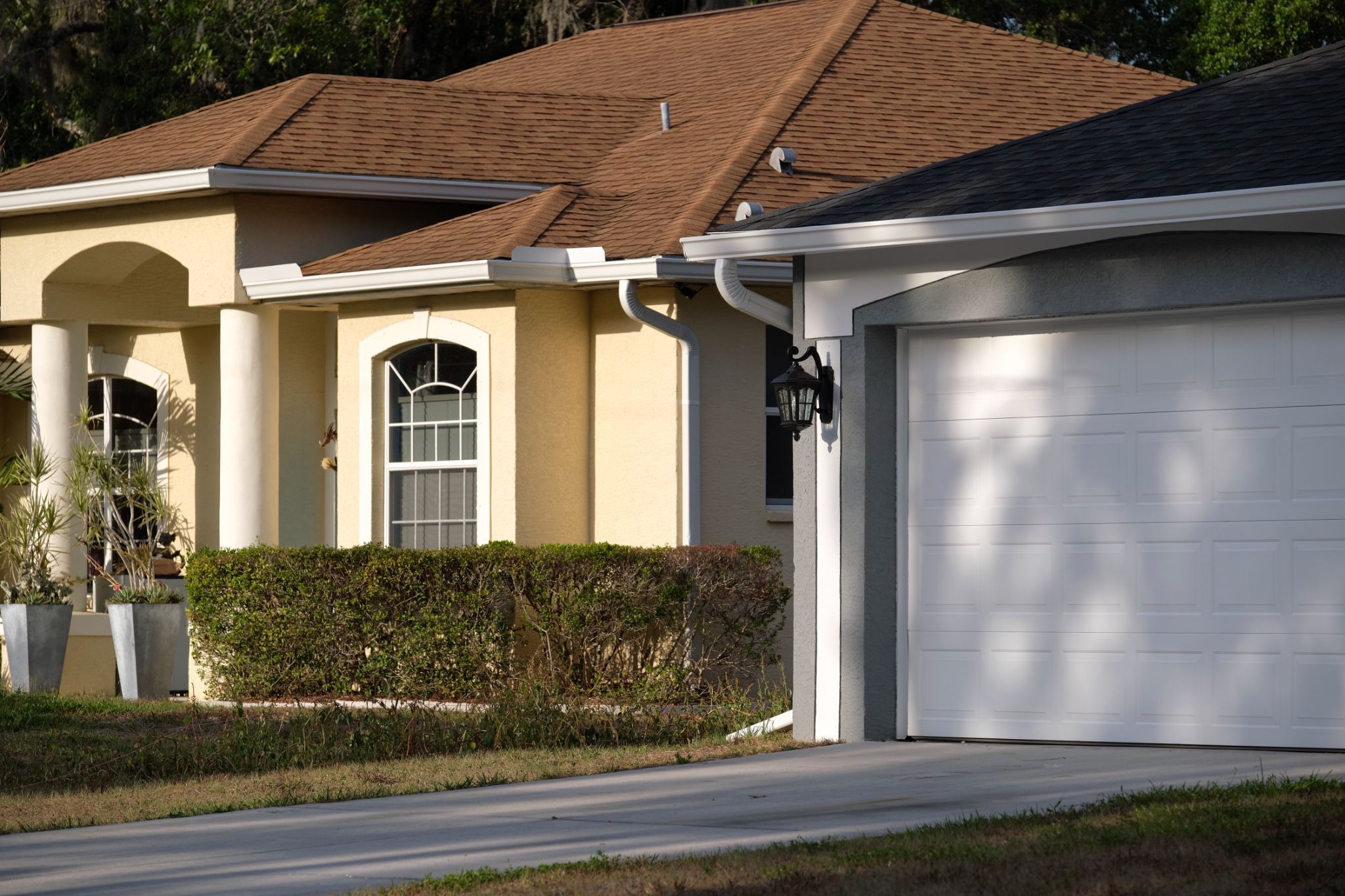
Roof color serves as a dominant visual anchor for the entire exterior. Warm-toned shingles pair best with greige, taupe, or creamy neutrals. Cool-toned roofs often coordinate better with balanced grays or muted blues. Trim then frames the siding and defines architectural edges. White trim brightens darker exteriors, while charcoal trim adds depth to lighter homes. This coordinated strategy produces a cohesive and professionally finished appearance.
Test Colors in Natural Light
Natural light changes throughout the day, altering how vinyl siding colors appear. A shade that looks subtle in morning light may appear brighter at midday. Shadows and surrounding landscaping can also unexpectedly shift undertones. Homeowners should place large sample panels on different sides of the house. Observing color at multiple times reveals its true depth and warmth. This careful testing process reduces costly post-installation regrets.
Coordinate With Brick and Stone
Brick and stone contain undertones that strongly influence siding compatibility—red brick pairs well with warm neutrals and earthy greens. Gray stone often complements cooler grays, blues, and charcoals. Mortar color also affects the overall palette and should not be overlooked. This material awareness prevents clashing tones that disrupt visual harmony. When siding aligns with masonry, the exterior feels balanced and intentional.
Siding’s Long-Term Maintenance and Color Aging
Vinyl siding colors age differently depending on shade, climate, and surface texture. Darker tones may fade more noticeably in areas with intense sunlight, even with modern UV-resistant technology. Very light siding can show dirt, pollen, and mildew more quickly in humid or wooded environments. Mid-tone neutrals, such as greige and taupe, often hide surface buildup better than extremes at either end. Texture also affects visibility, since smoother finishes reveal imperfections more easily than lightly grained panels. Understanding how color interacts with weather and maintenance habits helps homeowners choose a shade that will look clean and consistent for years.
Upgrade Your Exterior With Modern Siding Colors
Modern vinyl siding colors allow homeowners to refresh curb appeal with intention and clarity. The right shade can reposition your home within the neighborhood and strengthen its overall market perception. A trusted siding contractor can help you evaluate undertones, climate factors, and long-term durability before installation begins. Review your exterior carefully, consult with an experienced professional, and choose a siding color that supports both your personal style and your property’s future value.
For more expert insights on exterior upgrades, color trends, and practical home improvement advice, visit the Homestyle Home Improvements blog and explore what’s possible for your home.