

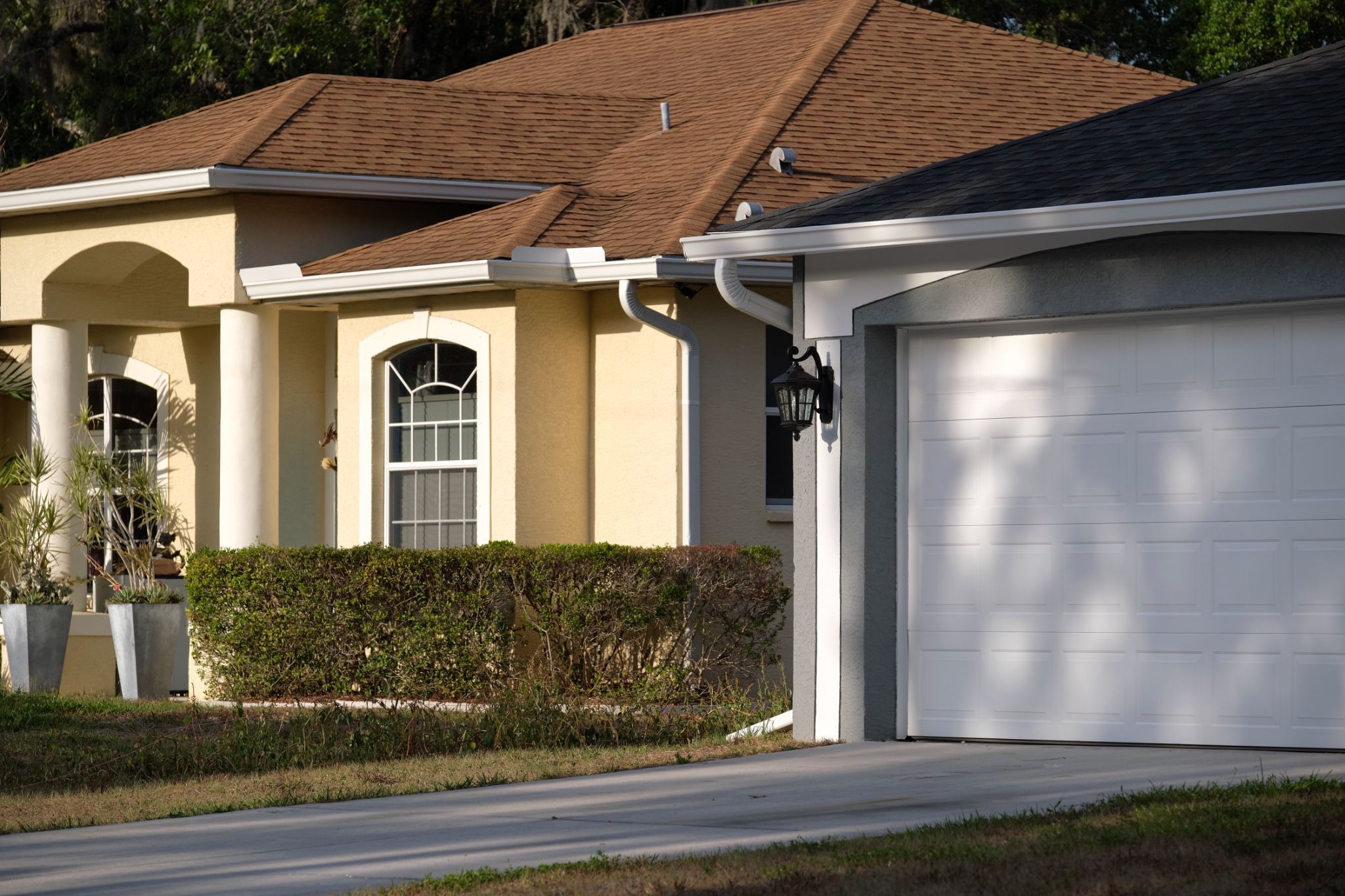

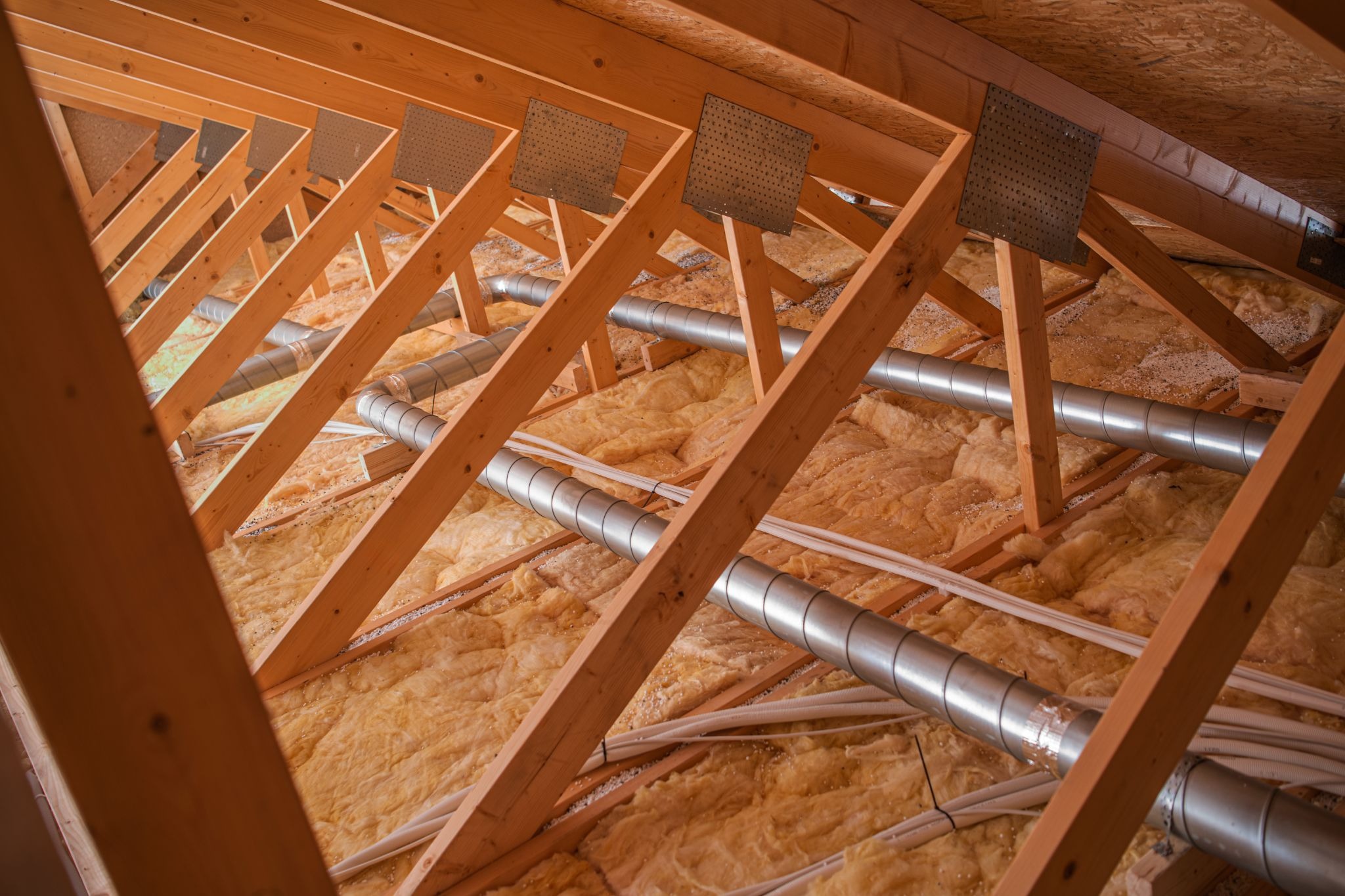
A home should feel comfortable in every season, yet attic conditions often disrupt that balance. Heat builds during summer, while winter introduces hidden moisture that damages materials over time. Many homeowners overlook airflow, even though it directly affects energy use and indoor comfort. Small attic components guide airflow and prevent insulation failure. Proper ventilation pathways help direct air efficiently and support a healthier, more efficient home environment.
What Insulation Baffles Are
Insulation baffles are attic components that create clear airflow channels along the roofline. These panels sit between rafters near soffit vents and guide outside air upward. This system prevents insulation from blocking ventilation pathways and supports steady airflow. Homeowners rely on these channels to maintain balanced attic temperatures and protect structural materials.
Insulation Baffle Definition
Insulation baffles are lightweight panels installed between rafters to maintain airflow from soffit vents. These panels hold back insulation while maintaining a clear path for incoming air. This function prevents airflow blockages that reduce ventilation efficiency over time. Materials often include foam, plastic, or fiberboard, each with varying levels of durability. Homeowners choose these options based on attic conditions and budget considerations. This setup supports insulation performance by allowing air to circulate freely.
How Attic Airflow Works
Attic airflow starts when outside air enters through soffit vents under the roof edge. This airflow travels upward along the roof deck before exiting through the ridge or roof vents. Insulation baffles guide that movement and prevent insulation from clogging intake areas. This circulation removes heat during warmer months and reduces moisture during colder seasons. Balanced airflow helps maintain stable attic conditions year-round. This process improves indoor comfort by limiting temperature extremes.
Benefits of Insulation Baffles
Insulation baffles improve attic airflow and protect both insulation and structural components. These panels help regulate temperature and reduce moisture buildup inside the attic. This improvement leads to better energy efficiency and fewer long-term issues. Homeowners notice more consistent indoor comfort when airflow remains unobstructed.
Moisture Control and Mold Prevention
Moisture control begins when airflow removes damp air from the attic space. This process reduces condensation that forms when warm air meets cooler surfaces. Insulation baffles keep vents clear, allowing moisture to exit before it causes damage. This protection limits mold growth and prevents wood rot in framing materials. Homeowners benefit from improved air quality and reduced health concerns. This approach helps maintain a dry and stable attic environment.
Energy Efficiency Gains
Energy efficiency improves when attic temperatures stay within a controlled range. This balance reduces heat buildup during summer and limits heat loss during winter. Insulation baffles support this process by maintaining steady airflow through the attic. This consistency reduces strain on heating and cooling systems over time. Homeowners often see lower utility bills and improved comfort levels. This result makes a practical upgrade for energy-conscious households.
Roof Structure Protection
Roof protection improves when airflow removes excess heat and moisture from the attic. This condition prevents wood components from weakening or warping over time. Insulation baffles help maintain these airflow patterns and reduce structural stress. This stability extends the lifespan of roof decking and supporting materials. Homeowners avoid costly repairs by addressing airflow issues early. This investment supports long-term durability across the entire roofing system.
Types of Insulation Baffles
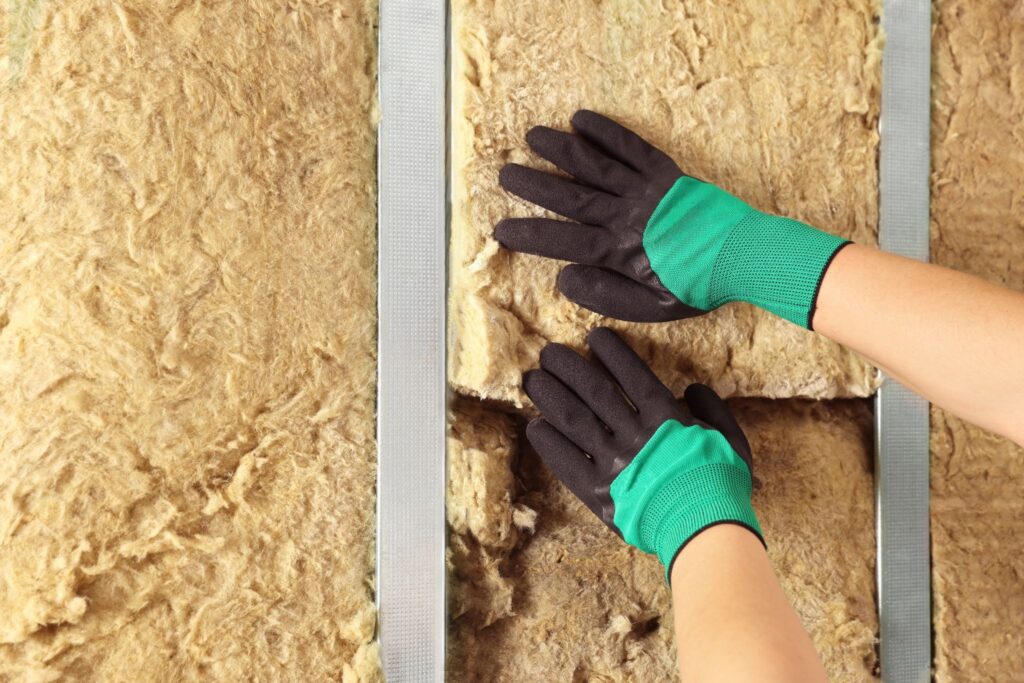
Insulation baffles come in several materials, each affecting durability and performance. These options include foam, cardboard, and plastic designs used in different attic setups. This variety allows homeowners to match the material with their specific needs and budget. Each type offers unique benefits depending on moisture levels and installation preferences.
Foam Insulation Baffles
Foam insulation baffles offer a lightweight, flexible option for attic ventilation. These panels fit easily between rafters and can be trimmed for tight spaces. This flexibility makes installation quicker, especially for DIY projects. Foam resists minor moisture exposure but may lose shape over time under pressure. Homeowners often select foam for affordability and ease of handling. This choice works well in standard attic environments with moderate conditions.
Cardboard Insulation Baffles
Cardboard insulation baffles offer a cost-effective solution for basic airflow management. These panels are commonly found in older homes or budget-focused upgrades. This material provides adequate airflow channels but lacks strong moisture resistance. Over time, humidity can weaken the structure and reduce effectiveness. Installation requires careful handling to avoid bending or tearing. This option suits short-term needs or areas with low moisture exposure.
Plastic Insulation Baffles
Plastic insulation baffles provide a durable, long-lasting airflow solution. These panels maintain their shape and resist moisture better than other materials. This strength makes them ideal for attics with higher humidity levels. Installation may require more effort due to their rigid structure. Homeowners often prefer plastic for reliability and extended performance. This investment supports consistent airflow over the long term.
Where to Install Insulation Baffles
Proper placement of insulation baffles ensures airflow reaches all attic sections. These panels should align with ventilation points to maintain consistent air movement. This positioning prevents blocked vents and uneven temperature distribution. Homeowners benefit from better performance when installation covers key areas.
Install Baffles at Eaves and Soffits
Eaves and soffits serve as the main entry points for attic airflow. Baffles installed here keep the insulation from blocking incoming air. This placement creates a clear channel that directs airflow upward along the roofline. Proper baffle installation in these areas supports consistent ventilation across the attic. Homeowners often see improved airflow immediately after correct placement. This step forms the foundation of an effective ventilation system.
Cover Roofline Airflow Paths
Roofline airflow paths connect intake vents to exhaust vents across the attic. Insulation baffles guide air along these paths and prevent interruptions. This design helps maintain steady airflow through each rafter bay. Consistent coverage reduces hot or damp spots in the attic. Homeowners benefit from balanced temperatures and reduced moisture buildup. This approach improves overall attic efficiency.
Address Tight Attic Spaces
Tight attic spaces often restrict airflow due to limited access and irregular framing. Insulation baffles can be adjusted to fit these areas and maintain ventilation. This adaptation helps prevent hidden pockets of trapped air and moisture. Proper placement improves airflow in often-overlooked areas. Homeowners gain more uniform attic conditions by addressing these spaces. This effort supports a complete and balanced ventilation system.
How to Install Insulation Baffles
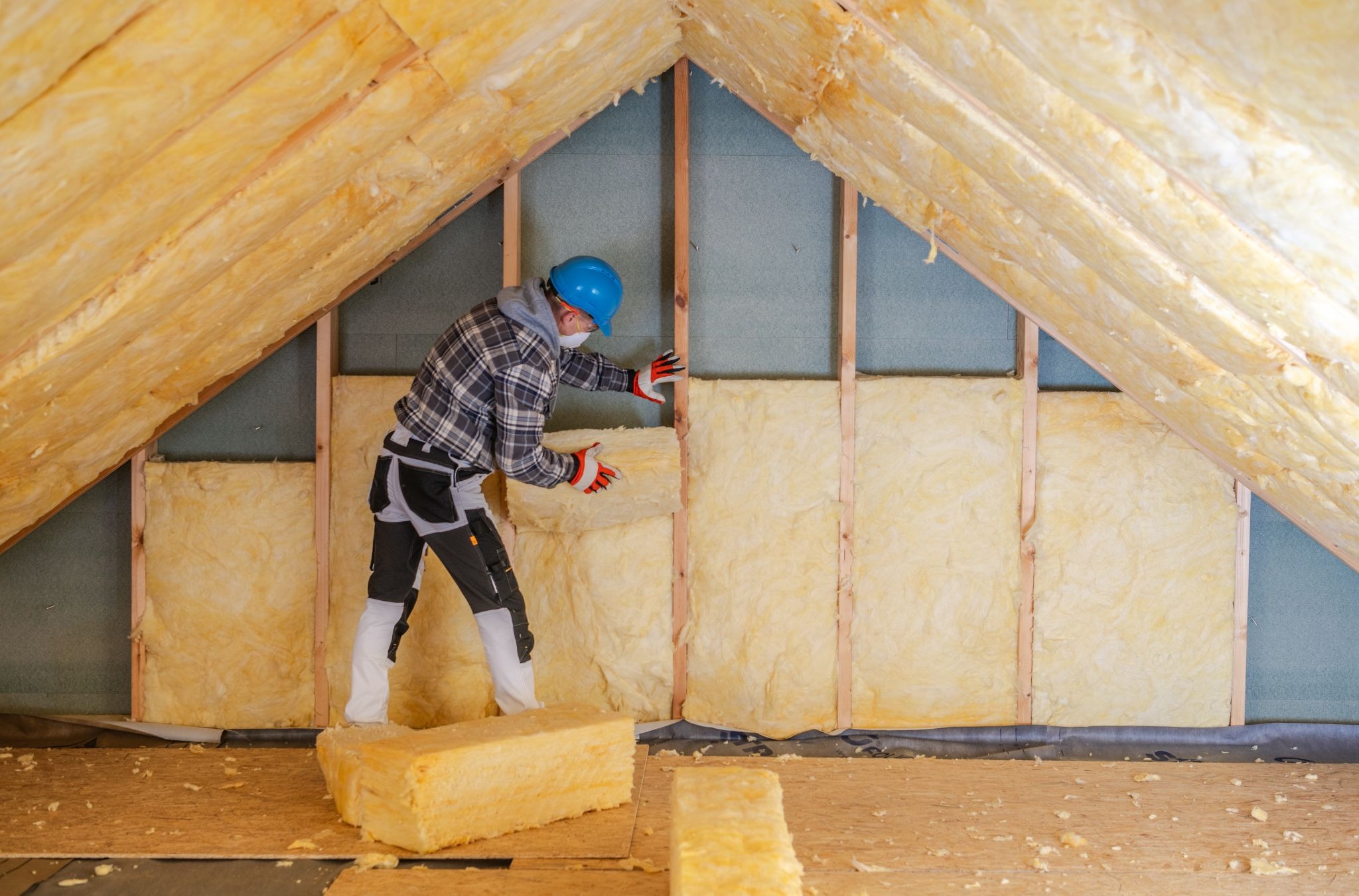
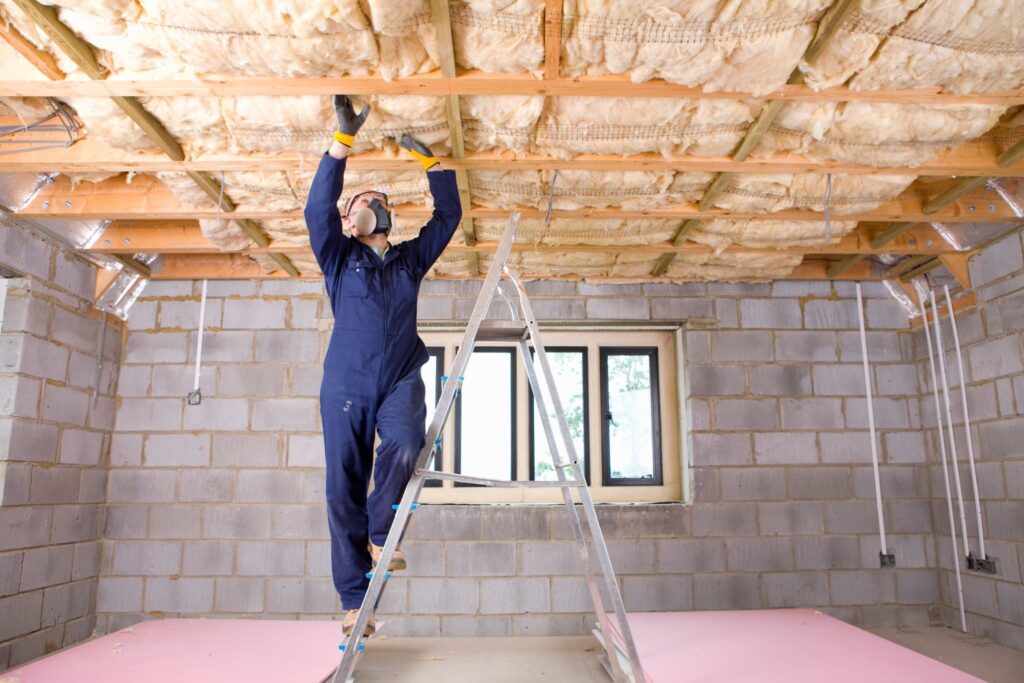
Installing insulation baffles involves placing panels to maintain airflow between rafters. This process requires attention to detail to avoid blocking vents or insulation. This setup works best when each rafter bay includes a clear airflow channel. Homeowners can complete the task themselves or hire professionals, depending on their comfort level.
Step-By-Step Installation Process
Installation starts by clearing insulation away from soffit vent areas. Insulation baffles should then be positioned between rafters with the airflow channel facing upward. This placement ensures that air can move freely from the intake vents. Secure each panel using staples or fasteners to hold it firmly in place. Replace insulation carefully without covering the airflow channel. This process should be repeated across all rafter bays to ensure consistent results.
Common Installation Mistakes
Common mistakes include placing insulation too close to vents after installation. This error blocks airflow and reduces the baffles’ effectiveness. Some homeowners skip sections, leaving gaps in ventilation coverage. Misaligned panels can also disrupt airflow direction within the attic. Using unsuitable materials may lead to early wear or failure. This awareness helps prevent issues and supports long-term performance.
Signs You Need Insulation Baffles
Signs of poor attic airflow often appear before serious damage develops. These indicators help homeowners identify ventilation problems early. This awareness allows timely improvements that prevent larger issues. Insulation baffles often resolve these concerns by restoring proper airflow.
Indoor Warning Signs
Indoor warning signs include uneven temperatures across different rooms. Higher energy bills may also indicate poor airflow in the attic. This condition forces heating and cooling systems to work harder. Musty odors can develop when moisture remains trapped above living spaces. Ice dams during winter suggest blocked airflow near the roof edge. This pattern signals the need for improved ventilation.
Attic Inspection Indicators
Attic inspection reveals visible signs of ventilation problems. Damp insulation often indicates trapped moisture that airflow failed to remove. Mold growth or discoloration may appear on wood surfaces. This condition indicates ongoing humidity issues in the attic. Excess heat during summer also signals restricted airflow. This combination of signs often improves after installing proper airflow channels.
Exterior Roof Warning Signs
Exterior roof warning signs often reveal airflow problems before interior damage appears. Shingle surfaces may age unevenly when heat becomes trapped in certain areas of the attic. This condition can lead to curling, cracking, or premature wear along the roofline. Ice dams forming along the roof edges during winter also point to poor ventilation. These patterns indicate that warm air is not escaping properly from the attic. This situation often improves once airflow channels are restored with proper baffle installation.
HVAC Performance Issues
HVAC performance issues often stem directly from poor attic airflow. Heating and cooling systems may run longer to maintain comfortable indoor temperatures. This strain increases energy use and shortens the system’s lifespan. Rooms near the attic may feel warmer in summer and colder in winter. These inconsistencies suggest that insulation and airflow are not working together effectively. This imbalance can often be corrected by improving attic ventilation with insulation baffles.
Cost of Insulation Baffles
Insulation baffles offer an affordable way to improve attic ventilation and performance. These panels cost less than many other home improvement upgrades. This affordability makes them accessible to most homeowners. Costs vary based on material choice and installation approach.
Material and Installation Costs
Material costs depend on the type of baffle selected for the attic. Foam and cardboard options are usually less expensive than plastic versions. This difference allows homeowners to choose based on budget and durability needs. Installation costs vary depending on attic size and accessibility. Many homeowners install baffles themselves to reduce expenses. This approach keeps overall costs manageable while improving airflow.
Long-Term Value and Savings
Long-term value comes from reduced energy costs and fewer repair needs. Insulation baffles help maintain consistent airflow that supports insulation performance. This efficiency lowers strain on heating and cooling systems. Homeowners often see gradual savings on utility bills over time. Preventing moisture damage also reduces future repair expenses. This combination of benefits makes baffles a smart investment.
Improve Airflow With Insulation Baffles
Improving attic airflow starts with installing insulation baffles in key areas. These panels guide airflow and prevent insulation from blocking vents. This upgrade supports better energy efficiency and long-term structural health. Homeowners who address airflow issues can maintain comfort and reduce avoidable repair costs through smart home improvements.
Take a closer look at how airflow affects your home. Explore the Homestyle Home Improvements blog for trusted guidance.