
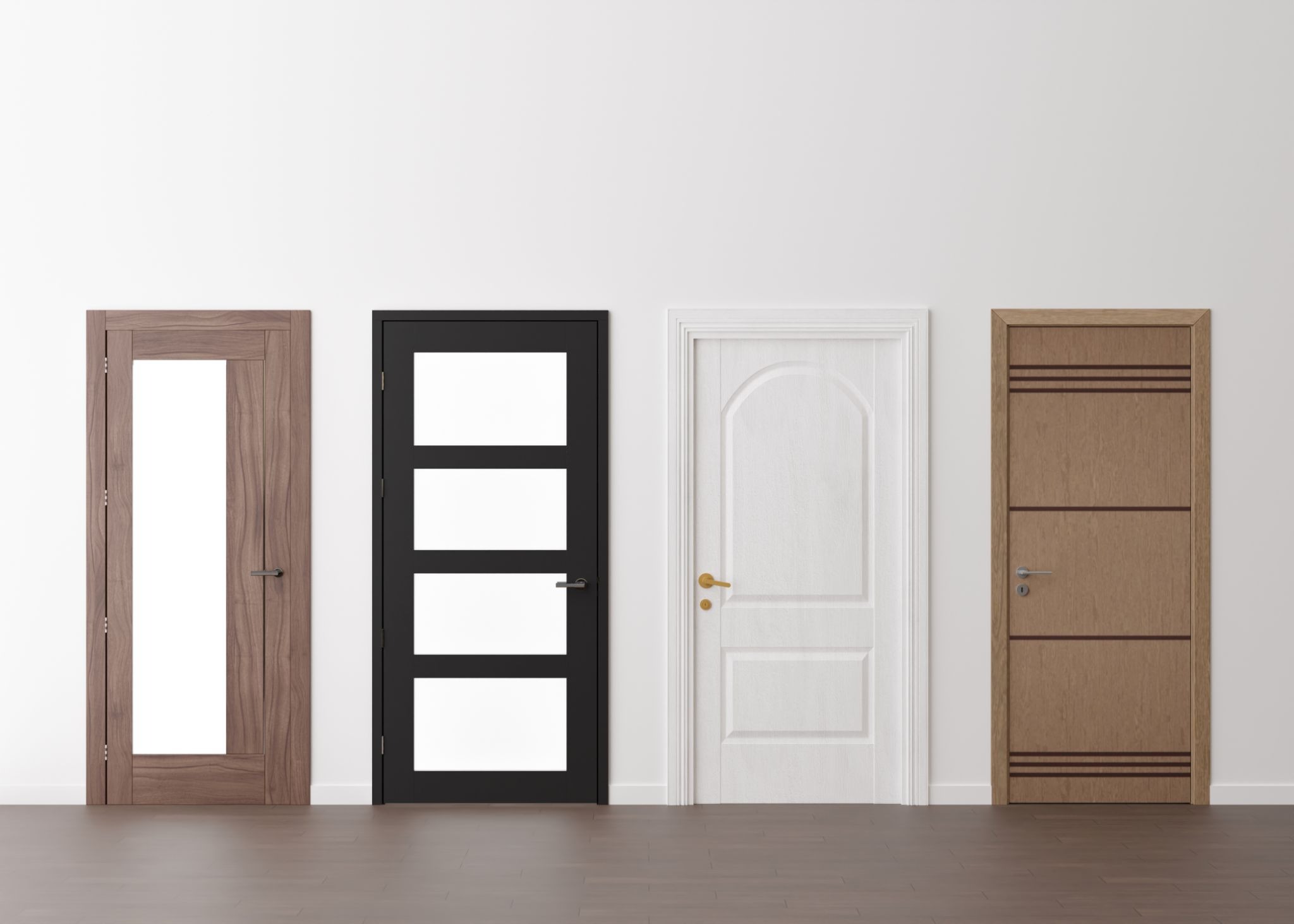
Doors are one of the most used parts of any property, yet they’re easy to overlook until something starts going wrong. A door that sticks, lets in drafts, or looks worn may seem like a minor inconvenience, but those issues can signal deeper problems that affect comfort, security, and long-term property value. Over time, even high-quality doors can warp, swell, crack, or lose their seal, especially when they’re exposed to harsh weather, constant use, or shifting frames. When that happens, repairs might help temporarily, but they often become a cycle of fixes that never fully solve the problem.
When Doors Stick and Drag, Replacement Doors Often Solve the Issue
A door that sticks or drags is usually more than a nuisance, because it can indicate warping, swelling, hinge wear, or a frame that has shifted out of alignment. You might notice the problem changes with the seasons, worsening during humid months or after heavy rain, which is often a sign that the door material is reacting to moisture. Over time, forcing a door to close can damage hinges, loosen hardware, and scrape flooring, creating secondary repair costs that add up quickly. While minor adjustments can help in some cases, repeated sticking usually means the door slab is no longer true, and replacement doors provide the most reliable long-term solution.
Warping and Swelling From Moisture
Wood doors can expand and change shape over time, especially near entryways exposed to humidity and rain.
Frame Misalignment Over Time
A shifting frame can throw off the latch line, creating uneven gaps that make closing unpredictable.
Drafts and Energy Loss Are Clear Signs You Need Replacement Doors
Drafts around exterior doors can make a home feel uncomfortable and quietly increase heating and cooling costs year-round. If weatherstripping is worn, the threshold is damaged, or the door no longer seals tightly, conditioned air escapes and outside air enters, creating hot or cold spots near the entry. In many cases, homeowners try replacing seals and sweeps repeatedly, only to find the draft returns because the issue is the door’s fit or the frame’s integrity. Upgrading to replacement doors with modern insulation cores and tighter sealing systems can improve comfort immediately while reducing ongoing energy waste.
Daylight Around the Door Edges
If you can see light at the perimeter, the door is not sealing correctly, and efficiency is likely suffering.
Hot or Cold Zones Near Entryways
Temperature swings near doors often indicate air leakage that basic weatherstripping can’t entirely fix.
Replacement Doors Are Worth It When Locks, Latches, and Frames Feel Unreliable
Doors play a significant role in protecting your property, and security concerns are among the clearest reasons to consider replacement. If a door doesn’t latch firmly, the deadbolt feels unstable, or the strike plate area is soft or damaged, the entry may be vulnerable even if the lock itself is upgraded. Older doors may also lack reinforcement features that support modern locking systems, especially if the frame has weakened or the door material has deteriorated around hardware. Replacement doors can restore a solid closure, support stronger hardware, and improve overall security by reinforcing both the slab and the frame area where forced entry is most common.
Hardware That Won’t Tighten
If screws spin or the lock shifts, the material may be too worn to securely hold hardware.
Soft or Damaged Jamb Areas
A compromised frame can undermine even a strong lock because the surrounding structure can fail under pressure.
Water Damage Means Replacement Doors Are the Safer Choice
When water gets into a door, it rarely stays a cosmetic problem. You may notice bubbling paint, peeling finishes, swelling along the edges, soft spots near the bottom rail, or discoloration that keeps returning even after refinishing. Once rot begins, it tends to spread into surrounding trim and framing, and patch repairs often become a recurring expense that doesn’t truly stop the damage. Replacement doors paired with proper sealing and threshold improvements can prevent moisture from reentering and protect nearby flooring and framing from future issues. This pairing is essential for doors exposed to sprinklers, driving rain, or areas where water pools near entryways.
Soft Spots Near the Bottom Edge
The base of the door is often where moisture collects, and softness usually indicates structural breakdown.
Repeated Peeling or Bubbling Paint
Persistent finish issues can signal moisture intrusion that cannot be resolved by paint alone.
Replacement Doors Improve Comfort When Noise Bleeds
If you can hear street traffic through the front door or conversations clearly through interior doors, your doors may be too thin, poorly sealed, or built with hollow cores that don’t block sound well. This is a common issue in older properties and builder-grade interiors, and it can make the home feel less private and less restful. In busy households, rentals, or homes with offices and shared walls, sound control becomes a fundamental quality-of-life feature. Replacement doors in key areas can reduce noise transfer, improve privacy, and make the property feel more polished and higher-end.
Hollow-Core Interior Door Limitations
Lightweight doors let sound travel easily, especially between bedrooms and common areas.
Gaps Around the Door Perimeter
Noise slips through openings, so a better fit and improved seals can make an immediate difference.
Cracks, Splits, and Surface Breakdown Point Toward Needing Replacement Doors
Visible damage often signals a door that’s nearing the end of its useful life, even if it still opens and closes. Cracks around hinges, splitting near locksets, delaminating veneer, and dents that expose the core can weaken the door and make it more vulnerable to further damage. Surface wear also impacts curb appeal, which matters for resale and for tenant perception in rental properties. If you’re constantly repainting, patching, or trying to hide wear, replacement doors can be a more cost-effective way to restore both strength and appearance. A clean, intact door surface also helps hardware operate properly and improves the overall feel of the entry.
Damage at Hardware Stress Points
Splits near hinges or locks can grow over time, reducing stability with everyday use.
Delamination and Veneer Peeling
When layers separate, the door’s integrity declines, and repairs tend to be temporary.
Doors That Won’t Stay Shut Are Often Best Solved With Replacement Doors
Interior door issues can create daily frustration and reduce privacy, especially in shared living situations or rental properties. If doors swing open, fail to latch, or rub against the frame, the problem could be hinge wear, a shifting frame, or a door slab that has warped over time. While temporary adjustments can help, persistent issues often return because the underlying fit is no longer correct. Replacement doors restore smooth operation and consistent gaps, making the home feel more finished room to room. Even minor interior upgrades can make the property feel quieter, more organized, and more comfortable.
Doors That Swing Open On Their Own
This problem often indicates uneven installation or frame changes that have progressed beyond easy fixes.
Uneven Gaps Along the Edge
If the spacing is visibly inconsistent, the door is unlikely to seal or operate appropriately in the long term.
Replacement Doors Are Smart When You Need Better Everyday Function
Modern households ask more of doors than ever, from handling frequent deliveries to supporting pets, kids, and busy routines. If your entry door is difficult to operate, the handle is awkward, the threshold catches, or the door feels heavy and unbalanced, a replacement can immediately improve daily convenience. Many property owners also upgrade doors to improve accessibility, reduce tripping hazards, and create smoother transitions between inside and outside. A well-chosen door improves usability without requiring major construction and can make the property feel more welcoming to visitors and residents. When a door better matches how people actually use the space, it becomes a practical upgrade that pays off every day.
Smoother Hardware and Better Operation
New doors often mean improved hinges, latching systems, and a more consistent closing feel.
Easier Entry Transitions
Threshold improvements can reduce catching and support safer movement in and out of the home.
Small Problems Become Bigger Repairs When Delaying Replacing Doors
A dragging door can damage flooring, a drafty door can strain HVAC performance, and water intrusion can spread into framing and subfloor materials. What starts as a minor inconvenience can turn into a chain reaction of repairs that costs far more than a door replacement would have. Replacing at the right time helps stop problems at the source and reduces the risk of hidden damage building up behind trim and under thresholds. If you’ve repaired the same door issue multiple times and it keeps returning, that’s often the clearest sign the door has reached the point where replacement is the best long-term choice. With the right replacement doors, you can restore comfort, security, and curb appeal with a single upgrade.
Explore the Homestyle Home Improvements blog for guidance on spotting door issues early and choosing replacement doors that boost security, comfort, and curb appeal.