

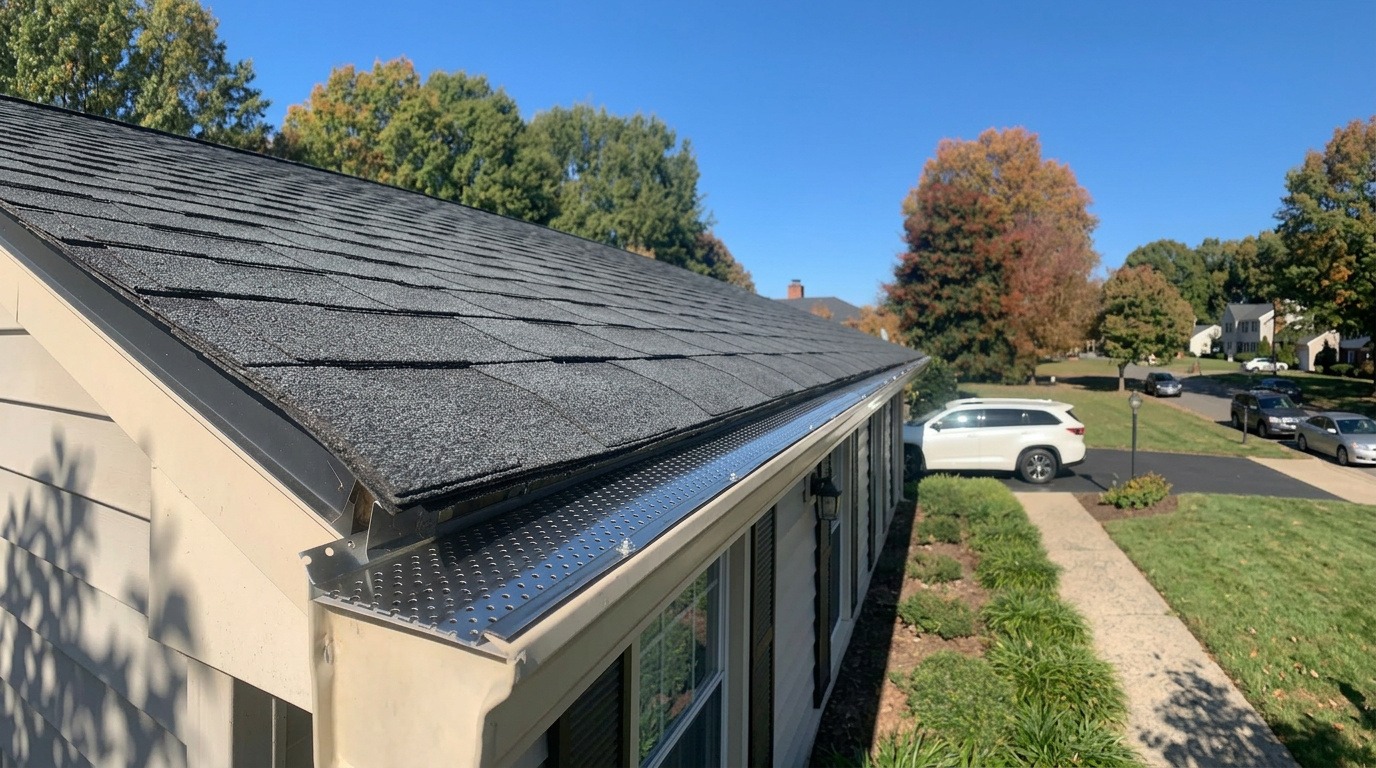

Many homeowners trust their gutters to work without trouble until water starts spilling over the edges. Property owners often notice concerns only when visible damage appears around the roofline. Storm seasons add pressure that exposes hidden flaws inside roof gutter systems. Small tasks help prevent expensive repairs for families who stay on top of them. This awareness protects the home and allows the system to handle heavy rain.
Common Trouble Spots in Roof Gutter Systems
Roof gutter systems develop issues quickly because water follows the path of least resistance during storms. Constant pressure from rainfall and debris creates hidden stress points that spread across each section. Many problems start small and grow until they damage siding or fascia boards. Homeowners avoid costly repairs when they recognize these trouble spots early.
Ignoring Visible Wear and Cracks
Visible cracks along gutters allow water to escape behind siding and soak the wood. Many homeowners underestimate these flaws because they appear small and harmless. Weather changes cause these openings to widen and spread down the line. Rot begins to form where water collects against the fascia boards. This steady moisture weakens the surface and shortens the system’s lifespan. A quick repair keeps the line from breaking down during storms.
Overlooking Heavy Debris Buildup
Large clusters of leaves gather inside gutters during windy seasons and block water flow. The weight from this debris strains each bracket until sections begin to sag. Overflow occurs when water rises above the gutter edge. Foundation soil weakens when the water gets too close to the home. Damage can spread to basements and crawl spaces after repeated storms. A seasonal cleaning routine avoids this chain of issues.
Letting Gutters Sag Without Fixing Them
Sagging gutters trap standing water in low points and slow the path to each downspout. These pools invite corrosion that eats through the metal surface. Brackets loosen as pressure grows inside the channel. The wood behind the gutter begins to soften and weaken. Sagging then worsens, pulling the system farther from the roofline. Timely tightening keeps the structure aligned and ready for heavy rainfall.
Cleaning Mistakes That Harm Gutter Systems
Roof gutter systems stay reliable when homeowners follow a balanced cleaning routine. Delays lead to blockages that impact water flow and cause stains down the siding. Gentle cleaning prevents surface damage that shortens gutter lifespan. Simple habits protect the home and reduce repair expenses.
Cleaning Only Once per Year
Annual cleaning is not enough for regions with strong winds or heavy storms. Debris builds fast and settles deep inside the channels. Water then rises and spills over the edges during rainfall. Overflow can damage soil, porches, and walkways. Dirt buildup grows thicker each month and becomes difficult to remove. Seasonal checks keep the system ready for changing weather.
Using Tools That Damage Metal Sections
Sharp tools scratch protective coatings and expose metal to rust. Many homeowners choose harsh scrapers because they want faster results. This choice reduces the lifespan of the gutter surface. Corrosion spreads where scratches sit in standing water. Holes then form, redirecting water toward sensitive areas near the home. Soft tools protect the metal and support long-term performance.
Forgetting to Clear Deep Downspout Clogs
Downspouts carry water away from the foundation and keep soil stable. A clog inside the tube forces water back into the gutter. The backed-up flow then spills over the edges. Dirt and leaves often hide deep inside the pipe and require a full flush. This blockage forces water into areas that cannot handle moisture. A clean downspout keeps the home safer during storms.
Rinsing Gutters Without Checking Slope
Water moves best when the gutter slope guides flow toward each downspout. A flat slope creates standing pools that collect dirt and weaken seams. A hill that tilts too low sends water rushing too fast, stressing the joints. Many homeowners rinse the gutter without checking this angle. An incorrect slope allows problems to grow with every storm. A simple water test confirms smooth movement across the channel.
Installation Errors That Reduce Gutter Lifespan
Roof gutter systems rely on proper installation to withstand intense rainfall. Incorrect sizing or spacing creates weak points that worsen with each season. Poor angles or loose brackets allow water to escape and damage the home. A sound installation helps the system run smoothly for years.
Choosing Gutter Sizes Too Narrow
Narrow gutters struggle to handle large volumes of water during harsh storms. Water spills over the front edge when the system cannot hold enough flow. Many families choose narrow designs because they cost less upfront. The long-term damage outweighs those savings. Oversized gutters support the home during heavy rainfall. Proper sizing maintains consistent flow across the roofline.
Setting Incorrect Slope Alignment
Slope controls how quickly water moves toward the downspouts. A hill that is too shallow creates standing pools. A steep slope makes the water run too fast. Both issues weaken seams and joints over time. Many installation teams overlook small-angle changes that develop from settling wood. A precise slope helps protect the complete gutter line.
Weak Hanger Support That Causes Pulling
Hangers keep the gutter attached to the fascia board. Weak spacing allows the gutter to wobble during storms. Water weight then puts more stress on each bracket. Wood behind the gutter begins to split under pressure. The entire system starts to lean away from the roof. Strong spacing keeps the structure secure and aligned.
Placing Seams in Bad Locations
Seams need protection from heavy water flow. When placed near roof valleys, these seams degrade more quickly. The constant pressure forces small gaps to widen. Water escapes through these openings and damages siding. Many older homes have seams in these vulnerable spots. Relocating seams improves durability and reduces leaks.
Long-Term Neglect That Damages Gutter Systems
Roof gutter systems weaken when homeowners skip simple routine checks. Weather, debris, and constant water flow wear down metal and brackets. Missed repairs turn into costly problems after repeated storms. Small steps protect the entire structure and reduce future stress.
Skipping Yearly Inspection Visits
A yearly inspection helps homeowners catch hidden problems before they spread. Trained technicians spot cracks, loose brackets, and weak seams in minutes. Many families skip these visits to save money. The repairs cost far more when damage goes unnoticed. Moisture spreads quickly when the system fails. A yearly check supports long-lasting performance.

Allowing Corrosion to Spread Unchecked
Corrosion forms when water sits in one place for too long. Small rust spots grow after each rainfall. Many homeowners ignore these patches because they look minor. Holes form as rust eats deeper into the metal. Water then flows through these weak areas onto the siding. Rapid repairs stop the spread and protect the home.
Overlooking Damage After Strong Storms
Storms drop branches and debris onto the roof and inside the gutters. Some pieces bend metal sections and block the downspouts. Many families do not inspect the system after storms. Water flow slows as these bends disrupt the path; corrosion forms at the low points where water collects. A quick check after storms keeps the line healthy.
Waiting Too Long to Replace Aging Gutters
Gutters reach the end of their lifespan after years of exposure. Metal thins and seams lose strength. Water leaks are becoming more common, and the damage they cause is growing fast. Many homeowners delay replacement because the system still looks functional. This delay increases repair costs and increases the risk to foundations. Timely replacement supports long-term protection.
How to Strengthen Roof Gutter Systems Before Issues Spread
Roof gutter systems stay strong when homeowners build habits that match local weather patterns. Regular attention helps the system push water away from the home. Simple steps protect siding, soil, and foundation areas. Consistent care gives families peace during seasonal storms.
Set Seasonal Checks Based on Local Weather
Seasonal checks match the rhythm of each region’s climate. High wind areas need more frequent debris removal. Wet regions need stronger slope awareness. Homeowners can adjust their schedule to match these patterns. This approach increases gutter reliability year-round. Regular checks reduce surprises during harsh weather.
Combine Cleaning With Full Visual Scans
Cleaning works best when paired with a slow visual scan of each gutter section. Many issues appear only when viewed up close. Dirt hides cracks, loose screws, and weak seams. A combined method catches these problems sooner. This careful approach saves time on repairs and replacements. Detailed checks help the system last longer.
Reinforce Your Roof Gutter Systems Today
Your home stays in better shape when your gutter system gets steady attention, and small steps prevent costly water damage before it spreads. A simple routine supports your roof, siding, and foundation through shifting weather. Homeowners who stay proactive avoid stress and gain more control over their property’s long-term health. Homestyle Home Improvements, a trusted roofing company that also handles gutter solutions, stands ready to guide you toward smarter protection for your home.
Strengthen your home knowledge with reliable guidance built for real conditions. Visit the Homestyle Home Improvements blog for smart, steady solutions.