


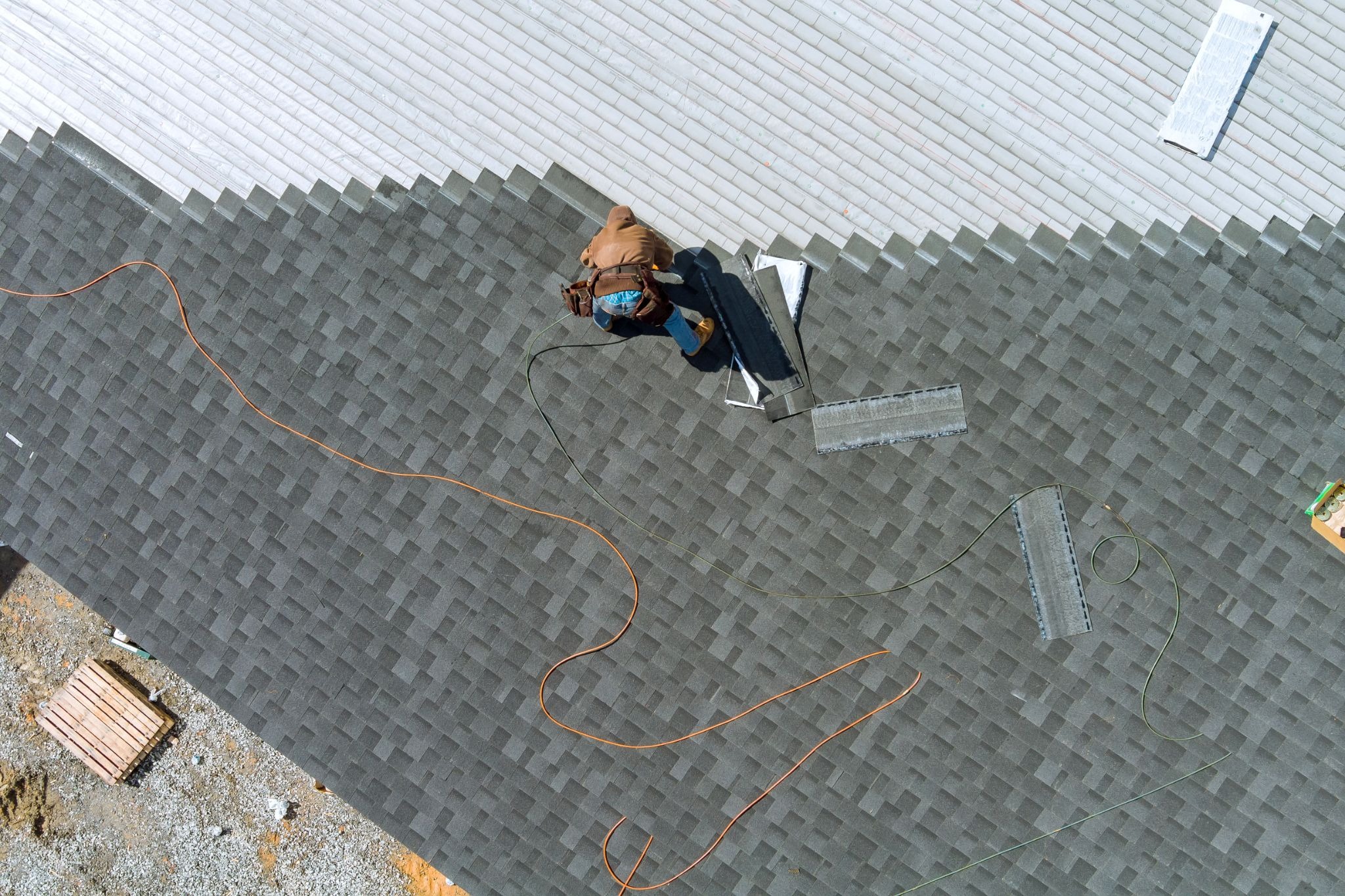



Rain can look harmless as it rolls off your roof, yet it carries the power to damage wood, soil, and concrete. Water that is not directed properly seeps into trim boards, stains siding, and weakens foundations over time. Many costly exterior repairs begin with simple drainage problems that went unnoticed. Homeowners often focus on roofing materials but overlook how runoff leaves the structure. Real protection starts when you understand how every part works together inside your gutter system.
Why a Gutter System Protects Homes
A gutter system directs rainwater away from structural surfaces and soil near your home. This controlled drainage prevents roofline decay, siding stains, and foundation movement. Contractors across the country report that unmanaged runoff causes many avoidable exterior repairs. Understanding how this drainage network functions helps homeowners make informed maintenance decisions.
Roof and Fascia Protection
Roof and fascia protection starts with capturing water at the roof edge before it seeps into wood trim. This runoff flows into the gutter channel instead of spilling behind the fascia board. A fascia is the horizontal board beneath the roofline that supports gutter hangers. When water repeatedly saturates the wood, paint peels, and rot spreads along the edges. Contractors often replace damaged fascia during gutter repairs, which increases labor costs. A properly aligned gutter system prevents that damage and preserves the roof’s structural frame.
Foundation Damage Prevention Basics
Foundation damage prevention begins with redirecting water away from the home’s base. This runoff can saturate the soil and create hydrostatic pressure, pushing water against foundation walls. Pressure buildup may widen small cracks and allow leaks into basements or crawl spaces. Local building inspectors frequently cite poor drainage as a contributor to structural concerns. Downspouts and extensions direct water several feet from the foundation, reducing the risk. A well-designed gutter system reduces long-term repair costs and protects interior spaces from moisture.
Siding and Landscape Protection
Siding and landscape protection depend on controlled stormwater discharge. This steady flow prevents streaks and mildew from forming on exterior walls. Without gutters, rainwater strikes the ground with force and displaces soil around flower beds. Erosion is gradually exposing roots and destabilizing walkways near the house. Landscaping professionals often trace uneven soil levels back to uncontrolled roof runoff. A complete gutter system reduces splashback and keeps both siding and yard features intact.
Core Gutter System Components
Core gutter system components collect, channel, and safely release rainwater. This coordinated setup includes horizontal troughs, vertical downspouts, and angled connectors. Each part must align properly to maintain a steady flow during heavy rainfall. Homeowners who understand these components can spot issues before leaks escalate.
Gutters or Drainage Troughs
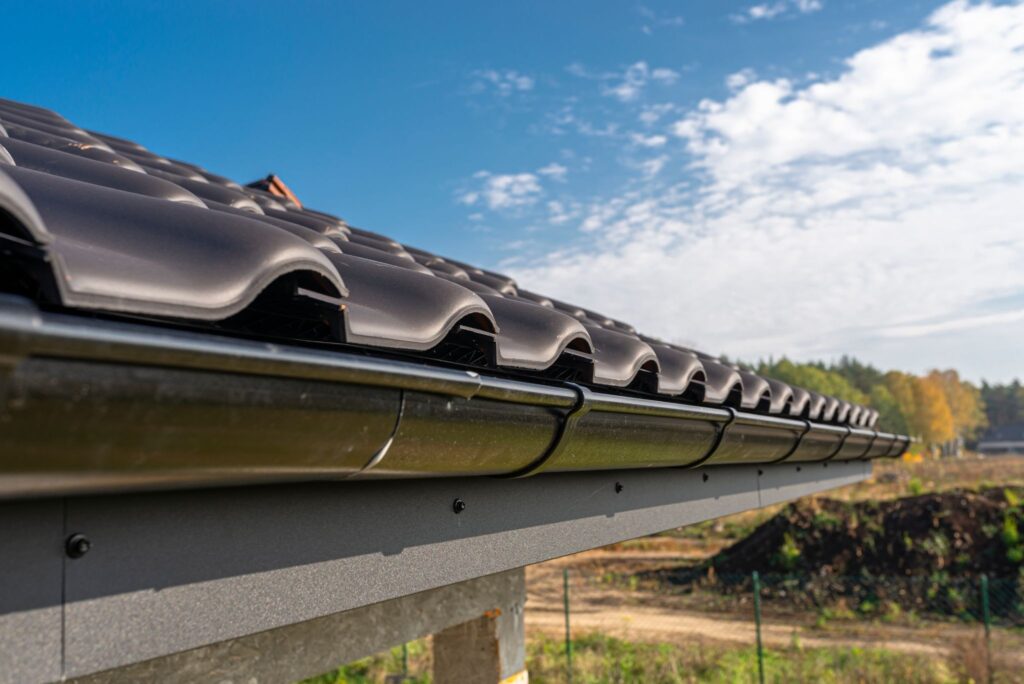
Gutters, also called drainage troughs, form the horizontal channels along the roof edge. This channel captures water as it leaves the shingles and guides it toward downspouts. Most homes use K-style gutters, which feature a flat back and decorative front edge. Half-round designs offer a curved profile and suit traditional architecture. Installers create a slight slope so water flows smoothly rather than pooling. A well-pitched gutter system reduces standing water and limits corrosion over time.
Downspouts and Water Exit Points
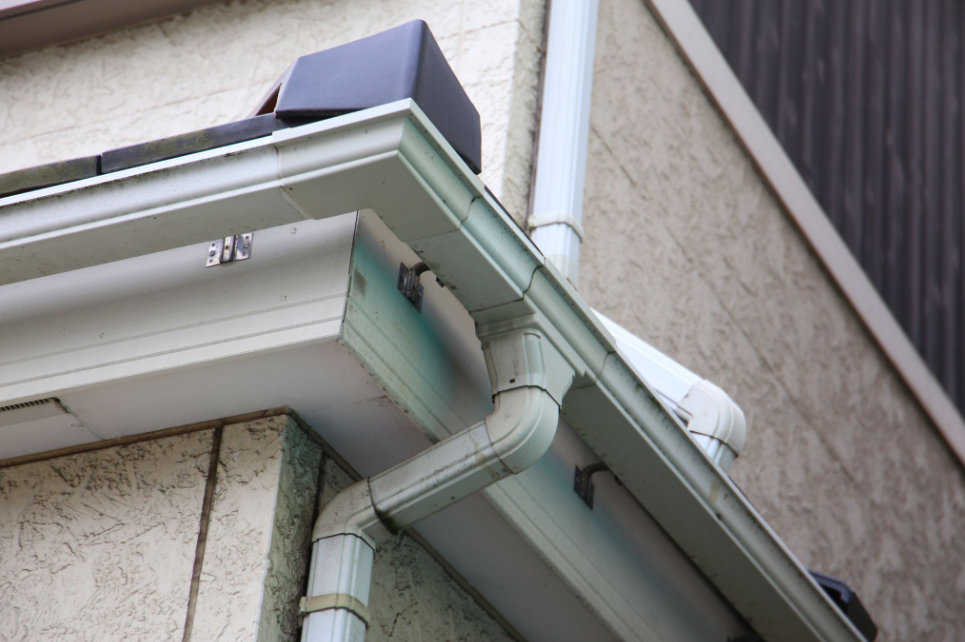
Downspouts carry collected rainwater from the gutter to ground level. This vertical pipe connects at strategic intervals to prevent overflow during intense storms. Contractors generally install one downspout for every 20 to 40 feet of gutter length. Proper sizing matters because undersized pipes restrict flow and cause backups. Elbows at the top and bottom guide water around the roof overhangs and toward the discharge areas. A balanced gutter system relies on clear, unobstructed downspouts to function efficiently.
Elbows, Extensions, and Connectors
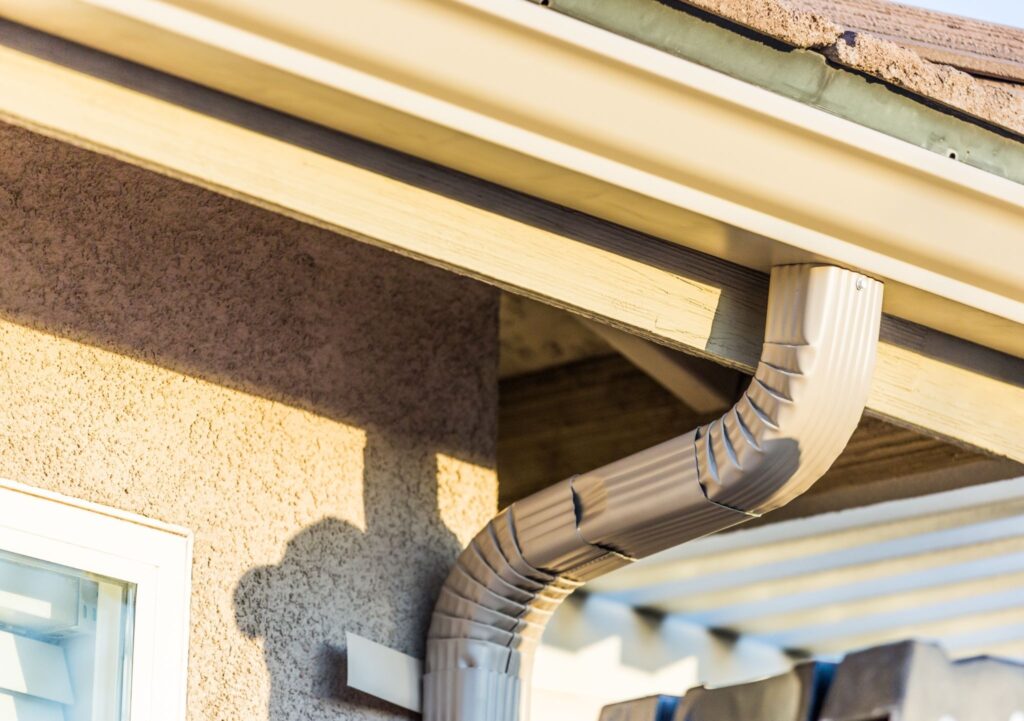
Elbows, extensions, and connectors shape the direction of water movement. This angled hardware allows the downspout to follow the home’s exterior lines. Extensions at the bottom carry water farther from the foundation and prevent pooling. Connectors join separate gutter sections into one continuous channel. Sealant at these joints blocks leaks and reduces corrosion at connection points. A tight, well-sealed gutter system maintains consistent water flow across the entire roofline.
Gutter Support and Fastening Parts
Gutter support and fastening parts hold the entire drainage structure in place. This structural framework includes hangers, brackets, fascia boards, and end caps. Secure attachment prevents sagging when debris or snow adds weight. Stable support keeps the gutter system aligned for proper water flow.
Hangers and Brackets
Hangers and brackets secure the gutter trough directly to the fascia board. This internal hardware supports the channel from within and evenly distributes weight. Installers typically space hangers every two to three feet for strength. Loose fasteners often cause visible sagging along the roofline. Snow buildup and trapped leaves add extra strain during certain seasons. A reinforced gutter system depends on tightly anchored hangers to remain level.
Fascia Boards and Mounting Surface
Fascia boards provide the mounting surface for gutter installation. This horizontal board sits beneath the roof edge and attaches to the rafter tails. If moisture weakens the fascia, screws may loosen, and gutters may pull away. Contractors frequently replace damaged fascia before installing new drainage systems. Treated wood or composite materials offer better resistance to water exposure. A solid fascia ensures the gutter system remains firmly attached over time.
End Caps and Seam Seals
End caps close the open ends of gutter sections to prevent water from escaping. This simple component prevents runoff from spilling at the edges. Seam seals protect the joints where two gutter pieces meet. Over time, temperature changes can weaken these seals and create small leaks. Routine inspection helps homeowners catch drips before they stain siding. A tightly sealed gutter system channels every drop toward the intended exit point.
Gutter Accessories for Better Drainage
Gutter accessories improve drainage efficiency and reduce maintenance demands. This added equipment helps control debris buildup and manage ground-level runoff. Many roofing professionals recommend accessories based on regional climate conditions. Thoughtful upgrades strengthen the overall performance of a gutter system.
Gutter Guards and Debris Covers
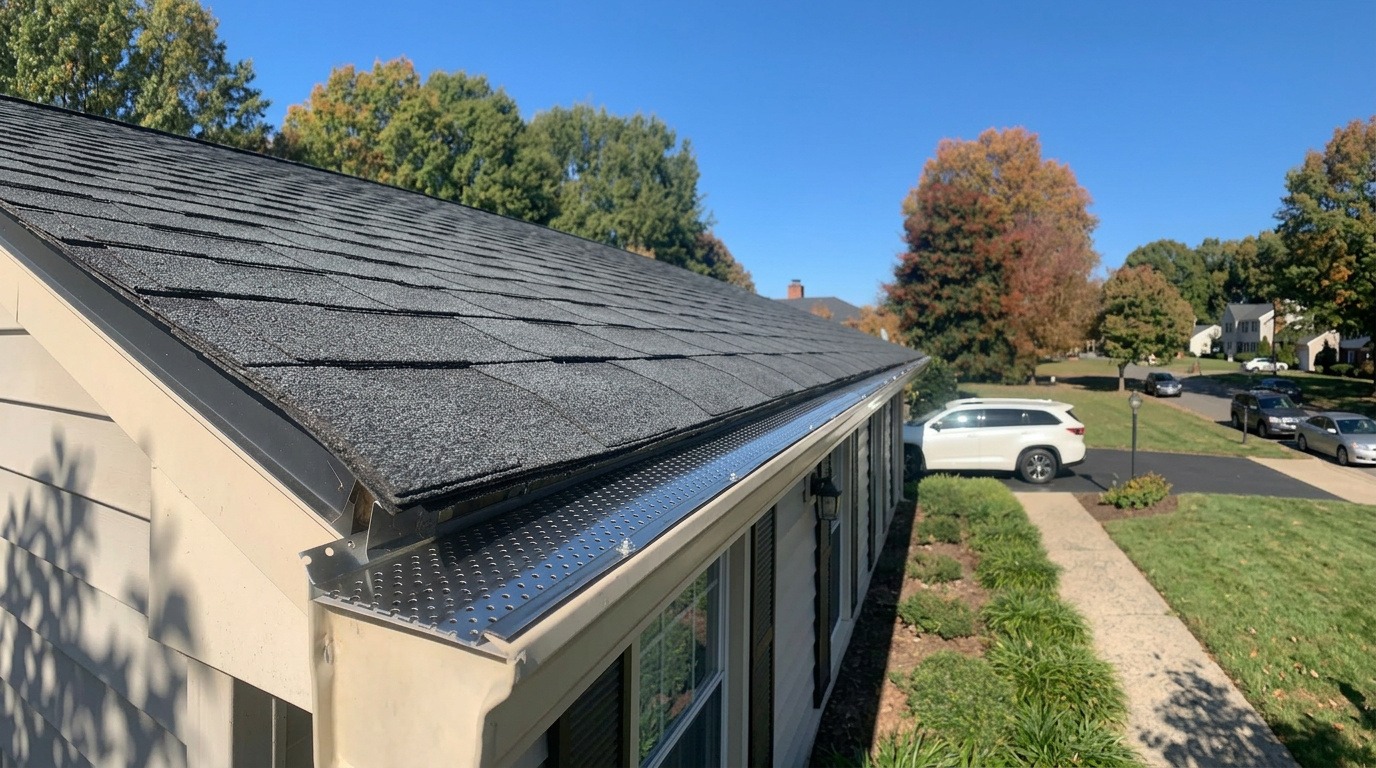
Gutter guards cover the top of the channel to prevent leaves and twigs from clogging it. This protective layer allows rainwater to pass through while keeping debris out. Mesh screens, foam inserts, and surface-tension covers represent common guard types. Home service companies often suggest guards for homes surrounded by mature trees. Reduced debris buildup lowers the need for frequent cleaning and ladder use. A protected gutter system maintains consistent flow during peak storm seasons.
Splash Blocks and Drainage Solutions
Splash blocks sit beneath downspouts to disperse water at ground level. This durable pad spreads runoff and reduces soil displacement near the foundation. Concrete and high-density plastic options handle repeated water exposure well. Some homeowners install underground drain lines for extended water redirection. These drainage systems guide water toward safe discharge areas such as swales or dry wells. A managed gutter system works best when ground drainage supports roof runoff control.
Gutter Materials and Lifespan Options
Gutter materials influence durability, cost, and maintenance needs. This material choice affects how well the system handles climate stress. Contractors often recommend specific materials based on regional weather patterns. Selecting the right option helps homeowners balance budget and longevity.
Aluminum and Vinyl Gutters
Aluminum and vinyl represent common residential gutter materials. This lightweight aluminum resists rust and offers a long service life. Many installers prefer seamless aluminum for reduced leakage at joints. Vinyl costs less upfront and suits mild climates with limited temperature swings. Extreme heat or freezing conditions may cause vinyl to crack over time. A properly maintained gutter system, regardless of material, can perform reliably for many years.
Steel and Copper Systems
Steel and copper offer stronger, longer-lasting alternatives. This galvanized steel handles heavy snow loads better than lighter materials. However, it requires protective coatings to resist rust. Copper offers exceptional durability and develops a natural patina over time. Homeowners often choose copper for historic properties or premium renovations. A high-quality gutter system made from these metals can last several decades with proper care.
Repair Signs in Your Gutter System
Repair signs in your gutter system often appear before severe damage occurs. This early warning may include leaks, sagging sections, or visible corrosion. Regular inspection helps homeowners identify these issues promptly. Timely repairs protect both structural components and property value.
Leaks, Rust, and Separation
Leaks, rust, and separation indicate failing connections or aging materials. This visible cracking along seams often allows water to drip behind siding. Rust spots on steel gutters signal coating breakdown and potential structural weakness. The separation between sections disrupts the intended flow path. Contractors usually reseal joints or replace damaged segments to restore performance. A maintained gutter system prevents minor flaws from turning into costly exterior repairs.
Sagging and Water Pooling Issues
Sagging gutters and water pooling near the foundation signal a drainage imbalance. This uneven alignment prevents water from reaching the downspout efficiently. Pooling soil near the home’s base may point to short extensions or clogged pipes. Basement dampness can sometimes be traced to improper roof runoff control. Reinforcing hangers and clearing blockages often resolve these concerns. A well-adjusted gutter system keeps water moving safely away from your home.
Frequent Clogs and Overflow
Frequent clogs and overflow signal that debris blocks normal water flow. This buildup often includes leaves, twigs, and granules from aging shingles. When water spills over the gutter edge, it can stain siding and erode soil below. Overflow during moderate rain suggests restricted downspouts or improper slope. Homeowners may also notice water dripping behind the gutter instead of through it. Cleaning the channels and checking alignment restores proper gutter system performance and prevents recurring damage.
Invest in a Reliable Gutter System Now
A reliable gutter system protects roofing, siding, and foundations from constant water exposure. This ongoing protection reduces repair frequency and long-term maintenance costs. Roofing and exterior service professionals consistently link water damage to neglected drainage components. Homeowners who inspect, clean, and upgrade their systems protect both structure and resale value. Scheduling a professional assessment when warning signs appear helps maintain steady performance through every season.
Want practical home advice that actually helps you make smarter decisions? Visit the Homestyle Home Improvements blog for clear, expert-backed insights you can use right away.