

Your home tells you when it feels uncomfortable. Drafts creep in during winter, and heat lingers through summer afternoons. Energy bills rise, yet your rooms never feel quite right. Many homeowners reach a point where they question when to replace their windows. The answer depends on visible wear, seasonal timing, and smart financial planning that protects long-term comfort.
Signs It’s Time to Replace Windows
You should replace windows when performance, safety, or comfort declines. Aging units show physical damage, allow drafts, and lose energy efficiency. These problems rarely resolve on their own and often worsen over time. Recognizing early warning signs helps you schedule replacement before repair costs expand.
Visible Damage and Frame Wear
Cracks, rot, and warped frames clearly indicate window failure. Wood frames often absorb moisture and begin to decay after years of exposure. Vinyl frames can bend or distort in strong sunlight and during temperature swings. This frame damage weakens the seal between the window and the wall structure. Gaps then allow water infiltration, which can lead to interior wall damage and mold growth. When structural wear spreads beyond minor repairs, replacing the entire unit offers better durability and long-term value.
Drafts and Rising Energy Bills
Cold air near the sill during winter signals insulation loss. In summer, heat entering through the glass forces your cooling system to work harder. These efficiency losses directly affect monthly utility costs. The U.S. Department of Energy reports that heat gain and loss through windows account for up to 30 percent of residential heating and cooling use. This energy waste increases strain on HVAC systems and shortens their lifespan. Installing modern, energy-efficient windows reduces heat transfer and helps maintain more consistent indoor temperatures.
Fog Between Glass Panes
Condensation trapped between panes means the insulating seal has failed. Double- and triple-pane windows rely on sealed gas layers to slow heat movement. Once that seal breaks, moisture replaces the insulating gas. This condition clouds visibility and reduces thermal performance. Cleaning the surface will not solve the problem, as the issue lies within the sealed unit. Replacing the window restores insulation and improves clarity.
Hard-To-Open or Loose Windows
Windows should open and close smoothly and securely every time. When they stick or refuse to lock, daily use becomes frustrating and unsafe. Swollen frames, worn tracks, or failing hardware often cause these problems. This hardware failure increases security risks and limits emergency exits. Homeowners often overlook this warning sign until it becomes urgent. Replacing outdated windows improves function, safety, and peace of mind.
Best Season to Buy and Install Windows
The best season to replace windows depends on weather, demand, and pricing. Contractors install windows year-round, but each season offers different advantages. Temperature affects sealant performance and installation speed. Choosing the right time improves scheduling flexibility and overall project value.
Spring and Summer Replacement Benefits
Spring and summer offer mild to warm temperatures that support efficient installation. Sealants cure properly in moderate conditions, which strengthens insulation performance. Longer daylight hours also enable crews to complete projects more quickly. This seasonal demand, however, often increases appointment competition—homeowners who plan secure preferred dates and avoid scheduling delays. Replacing windows before peak heat arrives improves cooling efficiency and indoor comfort.
Fall Timing for Energy Savings
Fall provides stable temperatures and moderate contractor demand. Installers can work comfortably in both extreme heat and freezing conditions. This balanced climate supports proper sealing and insulation performance. Preparing your home before winter reduces heating costs during colder months. Additionally, fall scheduling sometimes offers more flexibility than midsummer. Replacing windows during this season helps homeowners enter winter with stronger energy efficiency.
Winter Window Replacement Options
Winter replacement remains practical when handled by experienced professionals. Installers replace one window at a time to limit indoor heat loss. Modern installation methods protect interior spaces during colder weather. This off-peak season may also bring promotional pricing from local contractors. Homeowners facing sudden window failure do not need to delay repairs. Scheduling winter installation can solve urgent issues while reducing labor costs.
Financial Timing for Replacing Windows
The right financial moment to replace windows balances budget and long-term savings. Delaying too long often increases repair costs and energy waste. Replacing too soon may strain household finances. Strategic planning allows homeowners to invest wisely without unnecessary pressure.
Sales, Promotions, and Contractor Deals
Window manufacturers and local installers frequently run seasonal promotions. Holiday sales often include discounted pricing on materials or installation packages. This promotional timing can lower upfront project costs. Homeowners should compare quotes from reputable local contractors to evaluate real value—quality, warranty coverage, and installation expertise matter more than price alone. Choosing a trusted provider protects your investment over the long term.
Tax Credits and Energy Rebates
Energy-efficient window upgrades may qualify for federal or state tax incentives. Certain ENERGY STAR®-rated products meet eligibility requirements for credits. Utility companies sometimes offer rebate programs for qualifying installations. This incentive opportunity reduces net project expenses and improves return on investment. Homeowners should verify current programs through official government or utility sources. Proper documentation supports successful rebate or tax credit claims.
Coordinating With Home Renovations
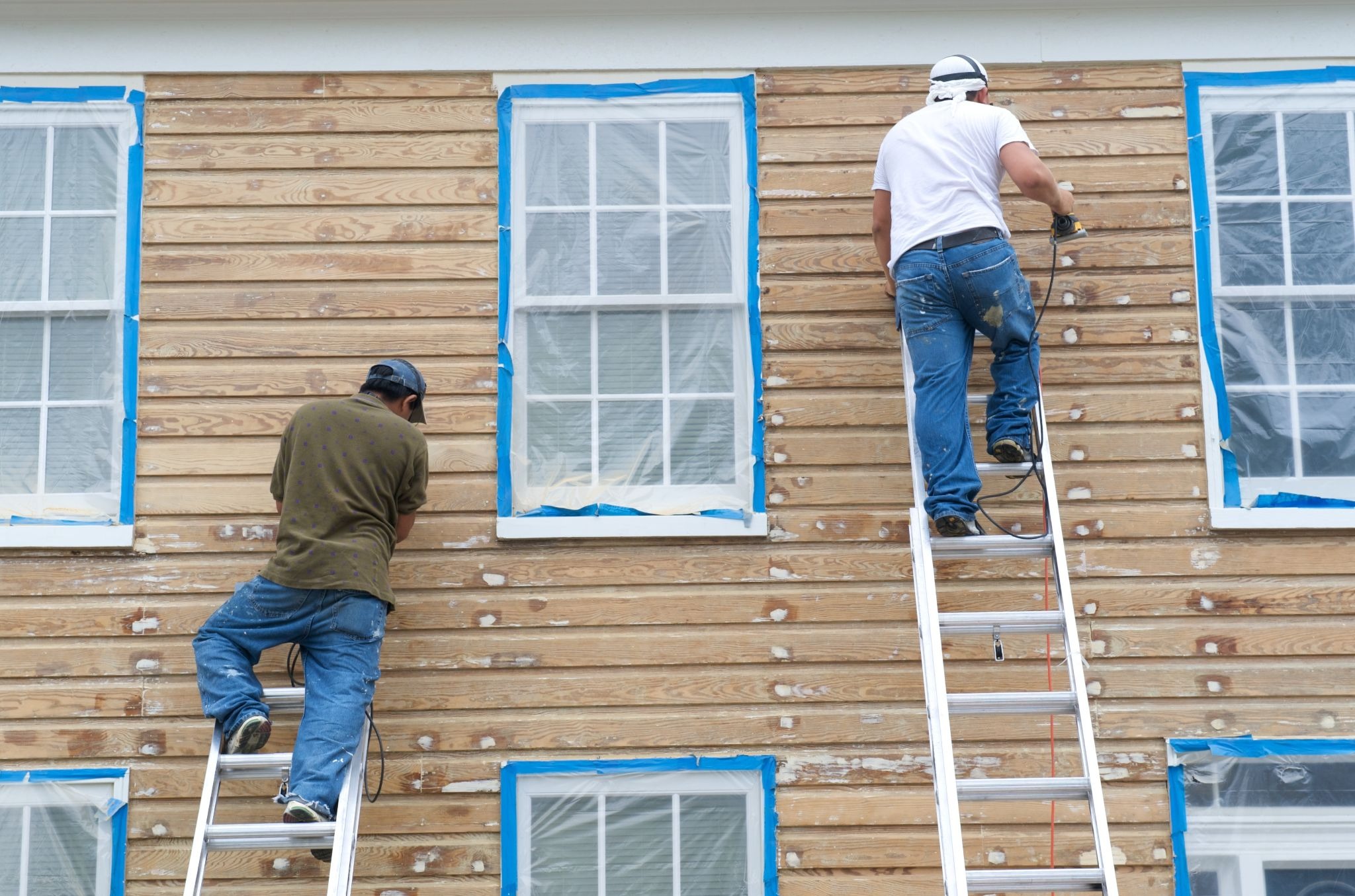
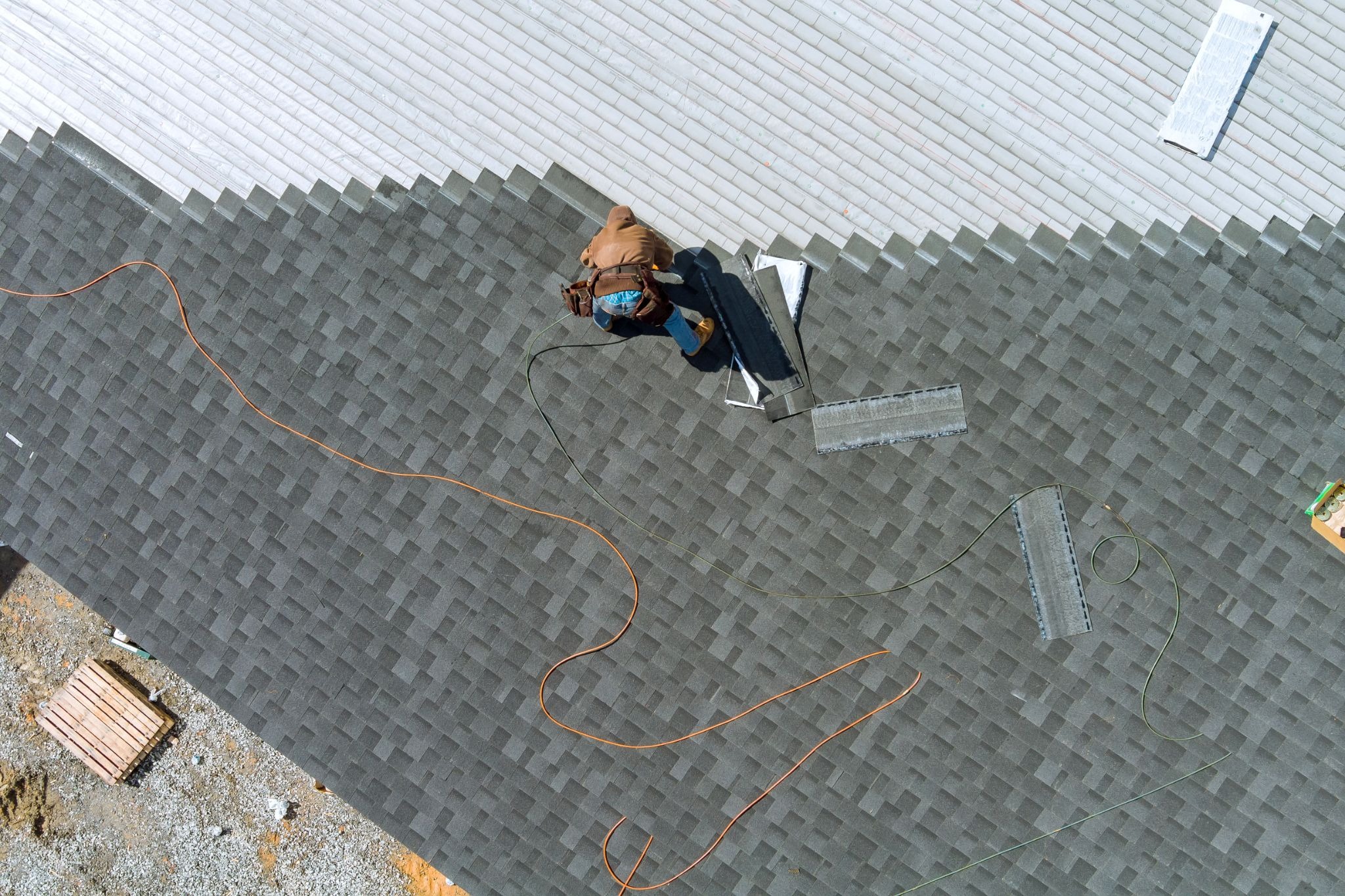
Replacing windows during exterior renovations improves project efficiency. Installing new siding or roofing often exposes window flashing and framing areas. Coordinating these projects reduces duplicate labor and material removal. This integrated approach protects structural integrity and prevents future disruption. Contractors can align timelines to streamline the process. Planning window replacement alongside other upgrades often reduces overall renovation costs.
How Window Replacement Affects Indoor Air
Replacing windows directly impacts indoor air quality and moisture control. Many homeowners focus only on energy savings. However, air leakage and hidden condensation influence health and comfort. Proper window upgrades improve ventilation balance and reduce moisture problems.
Moisture Control and Mold Prevention
Failing window seals allow moisture to enter wall cavities. Over time, trapped moisture encourages mold growth and wood decay. This hidden damage often develops behind drywall and insulation. Modern replacement windows include improved sealing systems that reduce infiltration. Professional flashing techniques direct water away from structural framing. Controlling moisture at the window level helps maintain overall indoor air quality.
Ventilation and Air Exchange Balance
Older windows often leak air unintentionally. Newer models create tighter building envelopes, limiting uncontrolled drafts. This improved insulation reduces the amount of outdoor pollutants entering the home. However, reduced air leakage also changes natural ventilation patterns. Homeowners may need controlled ventilation systems to maintain a steady flow of fresh air. Balanced air exchange supports healthier indoor living conditions.
Installation Quality and Air Sealing
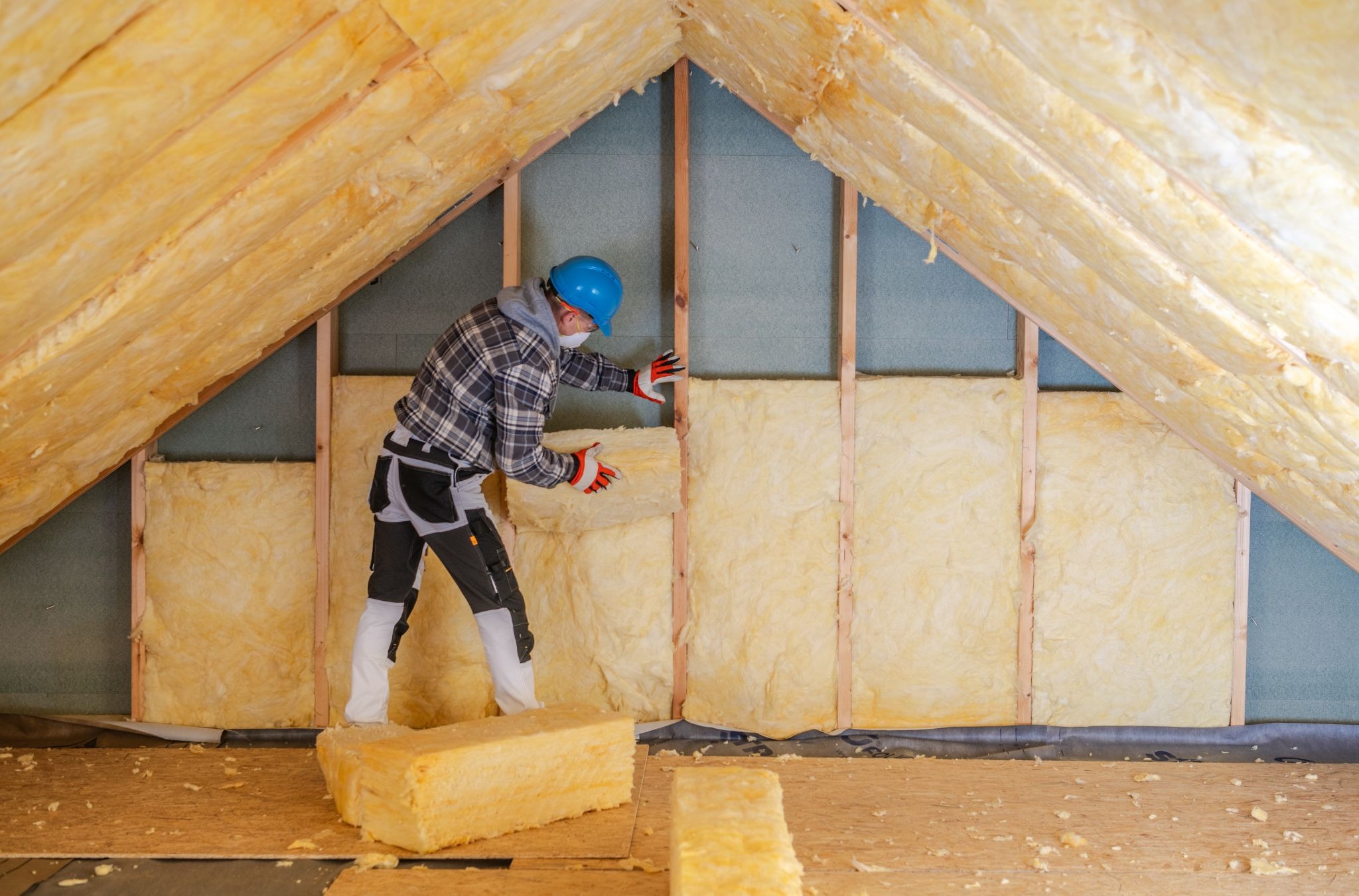
Installation quality determines how well windows control airflow. Poor sealing allows hidden drafts, reducing efficiency and comfort. Skilled installers apply insulation foam and weather-resistant barriers correctly. This precision prevents gaps that allow moisture intrusion. High-quality installation protects insulation performance over time. Choosing experienced professionals directly affects indoor air quality outcomes.

Choosing the Right Replacement Windows
Selecting the right replacement windows determines performance for decades. Materials, glass technology, and installation quality all affect results. Homeowners should match products to climate and architectural style. Thoughtful choices increase comfort and property value over time.
Energy-Efficient Glass and Technology
Modern windows use advanced glazing to reduce heat transfer. Double-pane glass has an insulating air space between the layers, while triple-pane glass adds a layer of protection. Low-emissivity coatings reflect infrared heat without blocking natural light. This glass technology reduces heating and cooling demands year-round. Inert gases, such as argon, further improve insulation performance. Choosing certified energy-efficient products reduces utility costs and supports sustainable living.
Frame Materials and Climate Fit
Vinyl frames offer durability and minimal maintenance for many climates. Wood frames provide traditional appeal but require regular upkeep. Fiberglass frames resist expansion and contraction due to temperature changes. Aluminum frames deliver strength but conduct more heat than insulated alternatives. This material choice affects both performance and appearance. Selecting a frame suited to your local climate improves longevity and comfort.
Professional Installation and Warranty
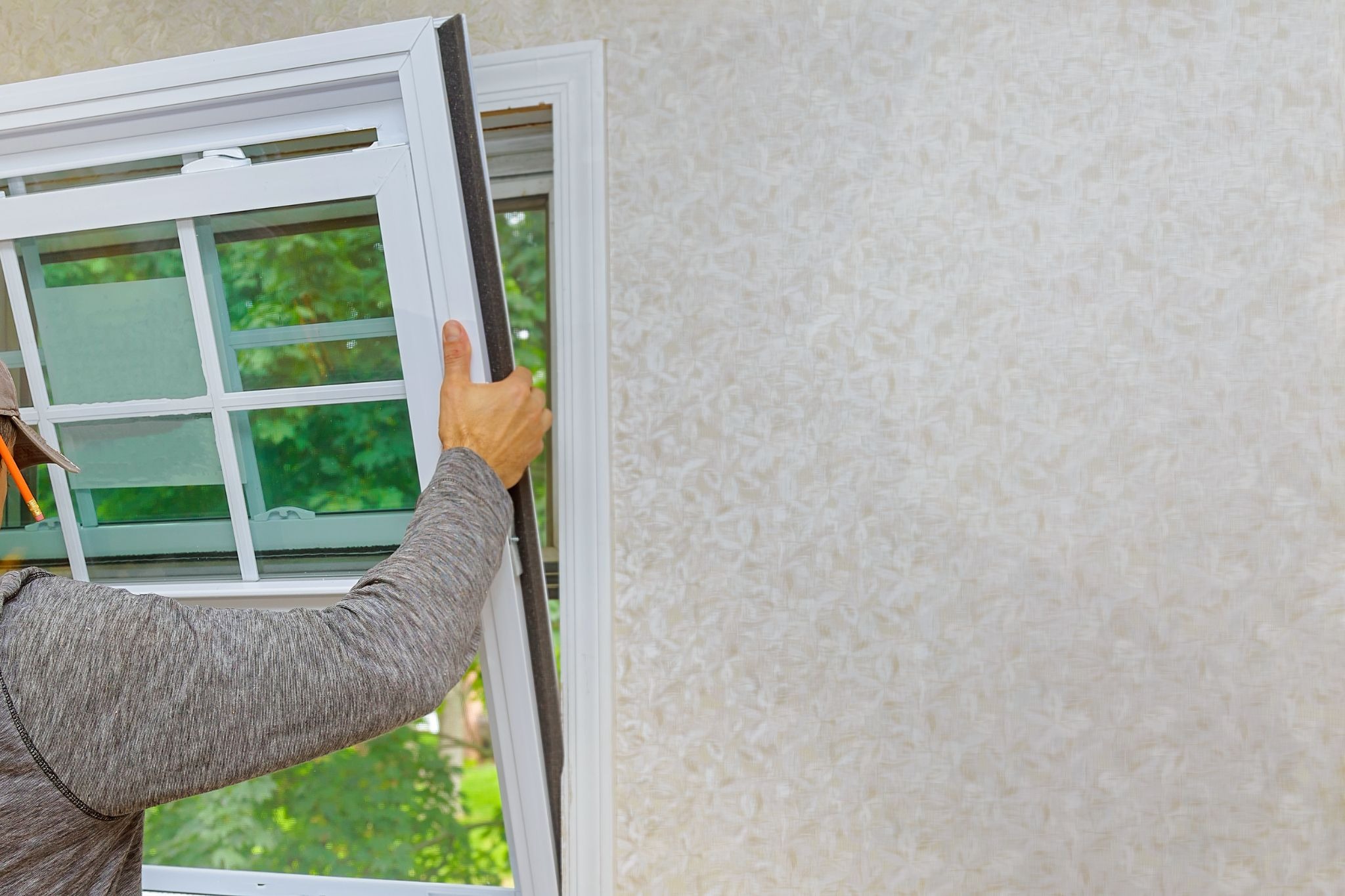
Professional installation directly affects window performance. Skilled window installers precisely measure openings and thoroughly seal gaps. This craftsmanship prevents air leaks and moisture intrusion. Reputable companies provide written warranties that cover materials and labor. Homeowners should verify licensing, insurance, and service history before hiring. Partnering with an experienced contractor supports lasting results and dependable service.
Climate Zone Strategy for Window Replacement
The right time to replace windows also depends on your climate zone. Different regions demand different performance ratings and materials. Homeowners often overlook this factor and focus only on price or style. Climate-based selection improves durability, efficiency, and long-term value.
Understanding U-Factor and SHGC Ratings
U-factor measures how well a window resists heat transfer. Lower U-factor numbers indicate better insulation performance. In colder climates, homeowners should prioritize low U-factor ratings to retain indoor warmth. The Solar Heat Gain Coefficient (SHGC) measures the amount of solar heat that passes through glass. In warmer regions, lower SHGC values reduce indoor heat buildup from sunlight. Choosing ratings based on regional needs improves efficiency far more than selecting generic products.
Regional Weather and Material Performance
Coastal homes are exposed to salt, which can corrode certain materials. Fiberglass and vinyl often perform better in these harsh conditions. In high-altitude areas, stronger ultraviolet exposure can degrade lower-quality frames. Southern climates place continuous stress on seals due to intense heat. Northern regions require stronger insulation to withstand longer cold seasons. Matching materials to environmental stress protects windows from premature failure.
Building Codes and Energy Standards
Local building codes often require specific performance benchmarks. ENERGY STAR® divides the country into climate zones with tailored efficiency standards. This regional certification ensures that windows meet local energy efficiency requirements. Installing non-compliant windows may limit rebate eligibility or future resale value. Contractors familiar with local regulations provide better guidance during the selection process. Climate-aware planning strengthens both compliance and comfort.
Maximize Value When You Replace Windows
Replacing windows at the right time increases comfort while strengthening your home’s financial outlook. Energy-efficient upgrades reduce monthly utility costs and ease strain on heating and cooling systems. Modern materials also protect against moisture damage that can erode structural components over time. When you approach window replacement with clear timing and informed product choices, you turn a routine upgrade into a long-term investment that supports durability, resale appeal, and daily comfort.
Still weighing your timing and options? Explore the Homestyle Home Improvements blog for detailed resources that help you plan your window replacement with clarity and confidence.