

Homes change slowly, so it is easy to miss when windows stop doing their job. Drafts, uneven temperatures, and higher energy bills often appear gradually. Many homeowners sense something feels off, but struggle to pinpoint the cause. Window replacements address several of these issues at once by improving comfort, efficiency, and usability. Understanding how replacement windows work helps homeowners make informed decisions that support both daily living and long-term value.
What Window Replacements Mean for a Home
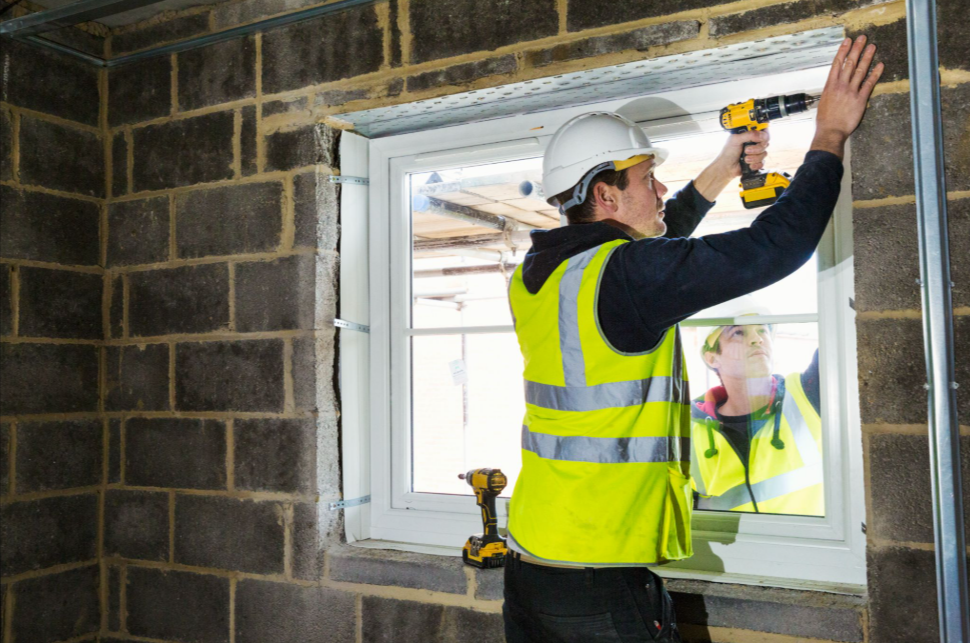
Window replacements involve removing existing window units and installing updated systems built to modern standards. This home improvement improves insulation, airflow control, and structural stability. Older windows often lack proper sealing and insulation, which affects indoor comfort. Replacing them helps align the home with current performance expectations.
Clear Signs You Need Window Replacements
Window replacements are usually necessary when existing windows exhibit consistent performance problems. Drafts around frames often signal worn seals or warped materials that allow air leakage. Condensation trapped between glass panes indicates a failed insulating barrier. Windows that stick or won’t close properly indicate frame distortion over time. Increasingly noticeable outside noise suggests weakened sound insulation. Rising heating and cooling costs often stem from inefficient windows.
How Old Windows Affect Indoor Comfort
Aging windows disrupt temperature consistency throughout the home. Cold air intrusion during cooler months creates uncomfortable living spaces. During warmer seasons, excessive heat transfer increases cooling demands. Poor sealing can also allow moisture to collect indoors. Rooms near outdated windows may feel less inviting or unused. These comfort issues typically worsen as window components continue to deteriorate.
Window Replacement Material Options
Window replacement materials determine durability, appearance, and long-term maintenance needs. Each material responds differently to climate conditions and daily use. Homeowners benefit from understanding how these materials perform over time. Material selection plays a direct role in cost and upkeep.
Vinyl Windows for Low-Maintenance Living
Vinyl replacement windows remain a common choice for residential properties. This material resists moisture damage, rot, and insect exposure. Insulated vinyl frames help stabilize indoor temperatures year-round. Maintenance requirements remain minimal compared to other materials. Color options have improved, though refinishing options remain limited. Vinyl windows fit a wide range of home styles and budgets.
Wood Windows and Traditional Appeal
Wood replacement windows provide a natural appearance that suits classic home designs. This material offers strong insulation properties when properly maintained. Regular care protects wood from moisture-related issues. Paint and stain options allow design flexibility. Wood frames require ongoing attention to preserve performance. Homeowners often choose wood for its timeless visual character.
Fiberglass and Composite Frame Options
Fiberglass and composite frames deliver strength and dimensional stability. These materials resist expansion and contraction caused by temperature changes. Tight seals support consistent energy performance. Maintenance demands remain lower than wood alternatives. Costs reflect durability and extended lifespan. These frames adapt well to various climates.
Window Styles That Shape Light and Ventilation
Window styles influence how light and air move through a home. Each design supports different functional needs within living spaces. Many homes use a mix of styles to balance appearance and performance. Choosing the right style improves comfort and usability.
Double-Hung Windows for Flexible Use
Double-hung replacement windows feature two operable sashes. This design allows ventilation from either the top or the bottom. Tilt-in options simplify routine cleaning. Modern glazing improves energy efficiency. The style works well with many architectural designs. Homeowners often prefer its familiar operation.
Casement and Awning Windows for Airflow
Casement windows open outward using a crank mechanism. This design captures breezes more effectively than sliding styles. Awning windows hinge at the top and open outward. Both options close tightly for improved sealing. These windows are suitable for kitchens, bathrooms, and compact spaces. Controlled ventilation improves indoor comfort.
Fixed and Picture Windows for Natural Light
Fixed windows do not open and focus on visibility and daylight. These windows maximize natural light without compromising efficiency. Tight seals reduce air leakage. Fixed designs pair well with operable windows nearby. Homeowners often use them to frame outdoor views. Proper placement enhances interior balance.
Energy Efficiency in Modern Window Replacements
Energy efficiency remains a central benefit of window replacements. Updated glass and frame technologies reduce heat transfer. These improvements help maintain stable indoor temperatures. Many homeowners notice lower energy usage after installation.
Multi-Pane Glass Systems Explained
Double-pane and triple-pane glass systems improve insulation. Gas fills between panes, slowing heat transfer. Triple-pane options suit colder regions particularly well. Additional layers also reduce outside noise. Energy consumption often decreases with upgraded glass. Installation quality affects overall performance.
Low-E Coatings and UV Protection
Low-emissivity coatings reflect heat while allowing visible light to pass. These coatings help regulate indoor temperatures year-round. UV protection reduces the fading of furniture and flooring. The coating remains nearly invisible to the eye. Comfort improves without sacrificing natural light. Many energy-efficient windows include this technology.
How Window Replacements Affect Whole-Home Systems
Window replacements influence more than the rooms where they are installed. These upgrades change how air, heat, and moisture move through the home. Homes function as interconnected systems rather than separate components. Understanding this relationship helps homeowners avoid unintended side effects.
Airflow Changes After Window Replacements
New windows often seal more tightly than older units. This improved sealing reduces uncontrolled air leakage. As airflow decreases, stale air may linger longer indoors. Rooms may feel stuffy without planned ventilation. Bathroom and kitchen fans become more critical after upgrades. Balanced airflow supports consistent comfort throughout the home.
Moisture Balance and Indoor Humidity
Tighter window systems reduce the pathways for moisture to escape. Indoor humidity may rise without proper ventilation. Condensation can appear on windows during temperature swings. This moisture buildup may affect walls or trim over time. Dehumidifiers or ventilation adjustments often resolve this issue. Awareness helps homeowners respond early.
Impact on Heating and Cooling Performance
Efficient windows reduce heat loss and gain. HVAC systems may cycle differently after replacement. Oversized systems can short-cycle in well-sealed homes. Uneven temperatures may reveal ducting issues previously masked. Minor HVAC adjustments often restore balance. Coordinated upgrades improve overall performance.

Understanding Window Replacement Costs
Window replacement costs vary based on several practical factors. Planning helps homeowners manage expenses more effectively. Pricing reflects materials, labor, and customization. Clear expectations prevent budget surprises.
What Influences Replacement Window Pricing
Window size directly affects material and labor needs. Custom shapes increase manufacturing complexity. Frame material choice changes price ranges. Glass upgrades add performance and cost. Installation difficulty depends on the home structure. Local labor rates also influence totals.
Balancing Product and Installation Costs
Window products account for a large portion of the total cost. Skilled installation protects performance and warranties. Poor installation often leads to long-term issues. Labor quality influences durability. Balancing product quality with installation expertise matters. Shortcuts usually result in higher future expenses.
Overlooked Window Replacement Decisions That Matter Later
Many window replacement regrets stem from early decisions that felt minor at the time. Homeowners often focus on appearance and price while overlooking daily usability. These oversights become more noticeable after several seasons of use. Addressing them upfront leads to longer satisfaction and fewer compromises.
Window Placement and Everyday Functionality
Window placement affects how rooms function long after installation. A window that looks balanced from the outside may limit furniture placement inside. Low sill heights can interfere with desks or seating areas. High placements may reduce usable natural light. Poor alignment can restrict airflow patterns across rooms. These layout issues often surface only after daily routines settle in.
Screen Quality and Ventilation Tradeoffs
Screens receive little attention during window selection. Low-quality screens warp, rattle, or restrict airflow. Some homeowners remove screens entirely due to poor visibility. Fixed screens can complicate cleaning or emergency exits. Retractable or upgraded mesh options improve daily usability. Screen choices influence comfort more than many realize.
Hardware Design and Long-Term Use
Window hardware shapes how often windows are actually used. Cranks and locks that feel stiff discourage regular operation. Finishes that wear quickly affect appearance and function. Poorly placed hardware can make it difficult for children or older adults to access. Replacement hardware rarely matches original designs perfectly. Thoughtful hardware selection prevents daily frustration.
Preparing for Window Replacement Installation
Preparation helps minimize disruption during window replacement. Understanding the process supports smoother scheduling. Small steps protect personal belongings. Preparation improves installation efficiency.
Preparing the Home Before Installation
Furniture should be moved away from windows. Wall décor must be removed from work areas. Exterior spaces may require temporary protection. Installers often use coverings to control dust. Communication prevents misunderstandings. Preparation keeps the project organized.
What to Expect During Installation
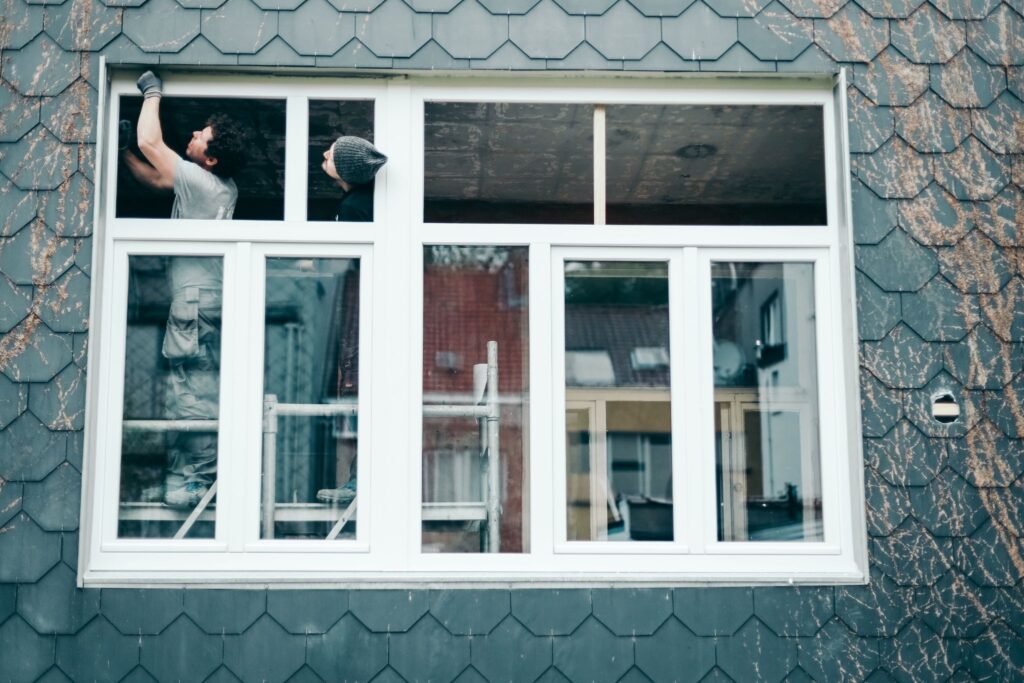
Window installers usually work in one area at a time. Old windows are removed carefully. New units secure openings promptly. Some noise occurs during removal and fitting. Cleanup often happens at the end of each day. Homeowners may ask questions during the process.
Replace Windows to Restore Comfort and Control
Window replacements resolve the subtle problems that quietly affect daily living. Rooms feel steadier, quieter, and easier to use without constant adjustments. Energy use becomes more predictable, and maintenance demands lessen over time. When windows support how a home actually functions, homeowners gain confidence in every improvement decision.
Explore practical home improvement insights and expert guidance on the Homestyle Home Improvements blog.